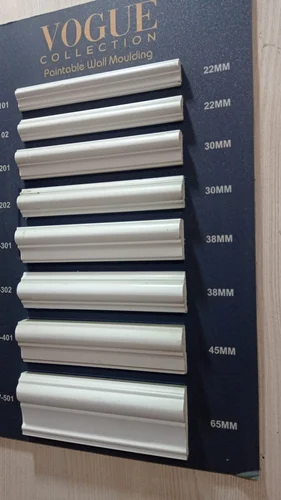
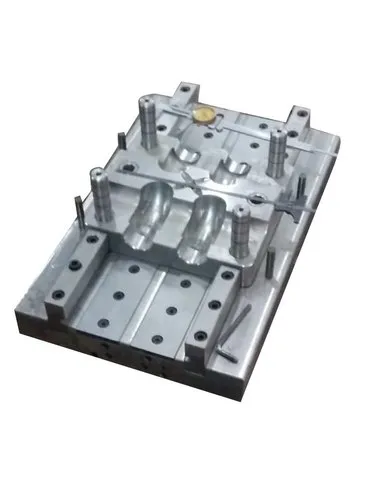
Polyvinyl Chloride (PVC) is one of the most widely used materials in molding due to its versatility, affordability, and durability. It is utilized in various industries for producing products such as pipes, medical devices, toys, and more. However, like any material, PVC comes with its own set of advantages and disadvantages when used in molding. Below is a breakdown:
Advantages of Using PVC in Molding:
Cost-Effective: PVC is relatively inexpensive compared to other materials like metals or high-performance plastics. This makes it an economical choice for mass production, especially for industries that need to produce large quantities of molded items.
Durability and Strength: PVC is known for its excellent durability. It is resistant to corrosion, chemical degradation, and physical impact. This makes PVC-molded products suitable for applications in harsh environments, including plumbing pipes, automotive parts, and construction materials.
Versatility in Applications: PVC can be molded into various shapes and forms, offering flexibility in design. It can be used for a wide range of products, from rigid to flexible items, catering to diverse industrial needs. It’s particularly favored for creating complex shapes with intricate details.
Chemical Resistance: PVC is highly resistant to chemicals and water, which makes it ideal for producing products exposed to corrosive substances or moisture, such as pipes, containers, and fittings.
Recyclability: PVC is recyclable, which helps in reducing environmental impact. Molding companies can reuse PVC scrap and off-cuts, thereby contributing to more sustainable production processes.
Good Electrical Insulation Properties: PVC has excellent electrical insulation properties, making it ideal for producing electrical cables, wires, and other components requiring insulation.
Ease of Molding and Processing: PVC is relatively easy to process through molding techniques like injection molding and extrusion. It has a low melting point, which makes it easier to work with in the molding process.
Low Maintenance: PVC products are easy to maintain due to their smooth, non-porous surface, which resists dirt and bacterial growth.
Disadvantages of Using PVC in Molding:
Environmental Concerns: Although PVC is recyclable, the process of producing PVC releases harmful chemicals, and the material can be difficult to dispose of sustainably. The release of dioxins during its production and disposal poses environmental hazards.
Brittleness at Low Temperatures: PVC can become brittle in extremely cold conditions, making it less suitable for outdoor applications in freezing environments. This can lead to cracking or breakage, especially in products subjected to heavy stress.
Limited Heat Resistance: While PVC is resistant to heat to a certain extent, it has a relatively low heat resistance compared to materials like polyethylene or polypropylene. High temperatures can cause PVC to deform or release toxic fumes, limiting its use in high-temperature applications.
Poor UV Resistance: PVC can degrade over time when exposed to UV radiation from sunlight, causing it to discolor, become brittle, and lose its structural integrity. This makes it less suitable for outdoor applications unless UV stabilizers are added to improve its durability.
Limited Mechanical Properties: While PVC has good strength, it doesn’t have the same mechanical properties (such as impact resistance) as other materials like polycarbonate or ABS. This can limit its use in products that need high mechanical strength.
Toxic Fumes During Processing: During the PVC molding process, especially at high temperatures, harmful fumes such as hydrogen chloride and dioxins can be emitted, requiring proper ventilation and safety measures in the workplace.
Surface Finish Issues: PVC can sometimes have a less aesthetically appealing surface finish, especially when compared to materials like ABS or polycarbonate. Achieving a high-quality surface finish may require additional post-processing steps, adding to production costs.
Weight: PVC tends to be heavier compared to other thermoplastics, which may limit its application in products where weight is a critical factor, such as in aerospace or some automotive components.
Conclusion:
PVC is a widely used material in molding due to its affordability, versatility, and durability in various applications. However, it also comes with some disadvantages, including environmental concerns, brittleness in low temperatures, and limited heat and UV resistance. The decision to use PVC in molding should be based on a careful assessment of its benefits and limitations in relation to the specific requirements of the product and the intended environment.