Introduction
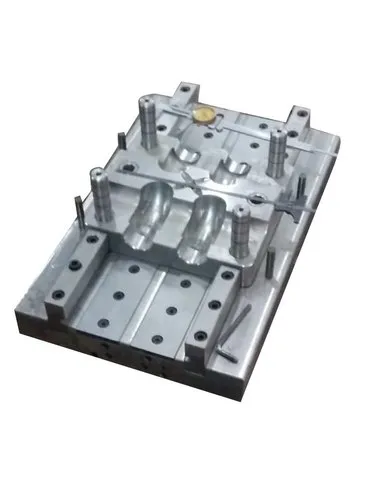
Die and mould base manufacturing is a critical process in various industries such as automotive, aerospace, electronics, and consumer goods. Traditionally labor-intensive and highly dependent on skilled machinists, this domain has been undergoing a significant transformation with the introduction of automation technologies. Automation in die and mould base manufacturing enhances precision, reduces production time, minimizes human error, and improves overall productivity.
Why Automation Is Important in Die and Mould Base Manufacturing
High Precision Requirements: Dies and moulds are the foundation of component shaping. Even minor dimensional errors can result in defective parts.
Time and Cost Constraints: Competitive industries require faster turnaround times and reduced costs without compromising quality.
Skilled Labor Shortage: With fewer trained professionals entering the trade, automation helps bridge the gap.
Key Areas of Automation
1. CAD/CAM Integration
Automated Computer-Aided Design (CAD) and Computer-Aided Manufacturing (CAM) systems help convert design inputs directly into machine-readable formats.
Enables rapid prototyping and reduces the need for manual programming of CNC machines.
2. CNC Machining
CNC Milling and Turning: Used for precise shaping of mould bases and die blocks.
Modern CNC machines can work unattended for long periods, especially when combined with automated tool changers and pallet systems.
3. Robotics and Material Handling
Robotic arms are used for loading and unloading raw materials, transferring workpieces, and assembling die components.
Automated Guided Vehicles (AGVs) move materials between workstations, reducing manual labor and improving shop floor efficiency.
4. Tool and Electrode Management
Automation systems manage and track tools and EDM electrodes to ensure proper usage and avoid downtime due to tool wear or misplacement.
5. Electrical Discharge Machining (EDM) Automation
EDM is crucial for producing complex cavities in dies and moulds.
Automated EDM systems integrate electrode changing, flushing, and gap monitoring to operate continuously with minimal intervention.
6. Inspection and Quality Control
Coordinate Measuring Machines (CMMs) and machine vision systems are used to automatically inspect components.
Inline inspection ensures real-time feedback and corrections during the manufacturing process.
Benefits of Automation
| Benefit | Impact |
|---|---|
| Increased Precision | Minimizes errors and rework |
| Enhanced Productivity | 24/7 operation with minimal human oversight |
| Cost Efficiency | Lower labor and material wastage |
| Better Quality Control | Real-time inspection and data logging |
| Scalability | Easier to adapt to increased production demands |
| Worker Safety | Reduced exposure to hazardous environments |