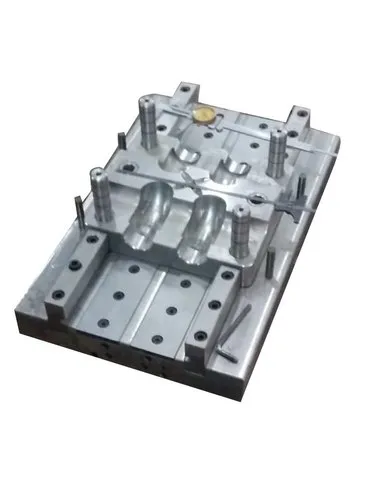
Injection molding is one of the most widely used manufacturing processes for producing plastic parts. With increasing environmental awareness and the demand for sustainable manufacturing, biodegradable plastics have emerged as a promising alternative to conventional petroleum-based plastics in injection molding applications.
What Are Biodegradable Plastics?
Biodegradable plastics are materials that can break down into natural substances such as water, carbon dioxide, and biomass with the help of microorganisms, under specific environmental conditions. Unlike traditional plastics, which can persist in the environment for hundreds of years, biodegradable plastics offer a more eco-friendly solution.
Types of Biodegradable Plastics Used in Injection Molding
Polylactic Acid (PLA):
Derived from renewable resources like corn starch or sugarcane.
Easy to process using conventional injection molding techniques.
Commonly used in packaging, disposable cutlery, and medical devices.
Polyhydroxyalkanoates (PHA):
Produced by bacterial fermentation of sugar or lipids.
Fully biodegradable and compostable.
Suitable for food packaging, agricultural films, and biomedical applications.
Starch-Based Plastics:
Blends of starch with other biodegradable polymers.
Cost-effective and compostable.
Ideal for disposable items and short-life products.
Polybutylene Succinate (PBS):
Synthetic biodegradable polymer with good thermal and mechanical properties.
Used in agriculture, packaging, and consumer products.
Polybutylene Adipate Terephthalate (PBAT):
A flexible, compostable plastic often blended with PLA or starch-based polymers.
Used in flexible packaging, compost bags, and mulch films.
Advantages of Using Biodegradable Plastics in Injection Molding
Environmental Benefits: Reduced carbon footprint and minimized plastic pollution.
Renewable Resources: Many biodegradable plastics are derived from biomass.
End-of-Life Options: Compostable or biodegradable under industrial or home conditions.
Consumer Appeal: Growing market for sustainable and green products.
Challenges and Considerations
Processing Limitations: Some biodegradable plastics have narrow processing windows and require specific conditions.
Cost: Often more expensive than traditional plastics due to raw material and production costs.
Performance: May not match the mechanical and thermal properties of conventional plastics in all applications.
Composting Infrastructure: Biodegradability depends on access to industrial composting facilities, which may not be widely available.
Applications
Packaging Industry: Biodegradable trays, containers, and films.
Medical Devices: Temporary implants, drug delivery systems.
Agriculture: Mulch films that degrade in the soil.
Consumer Goods: Biodegradable utensils, toys, and electronics casings.
Future Trends
Increasing demand for circular economy solutions is driving innovation in bioplastics.
Development of hybrid materials to improve performance and cost-effectiveness.
Advances in biotechnology for producing new biodegradable polymers.
Policy support and regulations encouraging the use of eco-friendly materials.
Conclusion
Biodegradable plastics offer a viable and sustainable alternative for injection molding, especially as environmental regulations tighten and consumer awareness grows. While there are still challenges to overcome, continued research and development in this field are making it increasingly possible to replace conventional plastics in a wide range of applications.