1. Introduction
Blow moulding is a widely used manufacturing process for producing hollow plastic bottles and containers. The efficiency and quality of blow-moulded bottles depend heavily on optimal bottle design and process parameters. Proper design and optimization not only enhance the aesthetic and functional properties of bottles but also reduce material usage, production costs, and environmental impact.
2. Basics of Blow Moulding
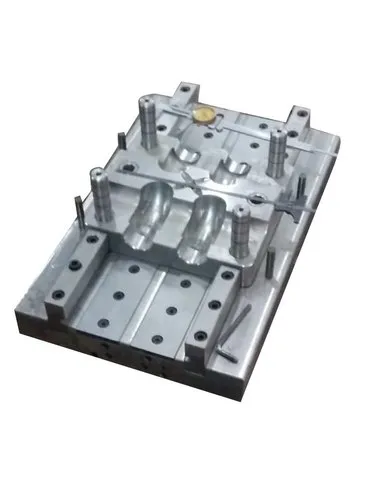
Blow moulding involves inflating a heated plastic preform or parison inside a mould cavity so that it takes the shape of the mould. There are three main types:
Extrusion Blow Moulding (EBM)
Injection Blow Moulding (IBM)
Stretch Blow Moulding (SBM)
Each type has specific design implications and is chosen based on the desired bottle characteristics, material, and production volume.
3. Key Considerations in Bottle Design
3.1. Material Selection
Common materials include:
PET (Polyethylene Terephthalate) – For carbonated beverages and water bottles
HDPE (High-Density Polyethylene) – For milk and detergent containers
PP (Polypropylene) – For hot-fill applications
Material choice affects:
Mechanical strength
Barrier properties
Recyclability
Process temperature
3.2. Structural Design
Shape and Geometry: Should be optimized for load distribution, stackability, and aesthetics.
Wall Thickness: Uniform distribution is crucial to avoid weak spots. Variable thickness may be used strategically for stress-bearing areas.
Base Design: Petaloid bases are common in PET bottles to handle internal pressure in carbonated drinks.
Neck and Finish: Must ensure a proper seal with closures. Standardized neck finishes help in compatibility with caps.
3.3. Functional Design
Volume Accuracy: Critical for product filling and packaging logistics.
Ergonomics: Easy grip and handling features improve user experience.
Label Panel Design: Flat surfaces are required for label adhesion.
4. Optimization Parameters in Blow Moulding
4.1. Process Parameters
Preform Temperature: Affects stretchability and final bottle properties.
Stretch Ratio: Defined as the ratio of the final bottle size to the preform. Ideal stretch ratios ensure material orientation and strength.
Blow Pressure: Must be adequate to push the material into the mould, especially in detailed areas.
Mould Cooling: Rapid and uniform cooling ensures dimensional stability.
4.2. Finite Element Analysis (FEA)
Simulation tools like FEA help predict:
Wall thickness distribution
Stress and strain under load
Bottle performance under pressure or impact
4.3. Lightweighting
Reducing material usage while maintaining performance. This involves:
Thinner walls with ribbing for strength
Optimized geometry
Using improved polymer blends
5. Testing and Validation
Once the bottle design is finalized, the following tests are typically conducted:
Top Load Test: Evaluates compressive strength.
Drop Test: Assesses impact resistance.
Leakage Test: Ensures proper sealing.
Burst Test: Tests internal pressure endurance.
Environmental Stress Cracking: Checks chemical and mechanical resistance.
6. Sustainability Considerations
Designing for sustainability includes:
Use of recycled materials (rPET, rHDPE)
Designing for recyclability (label and cap compatibility)
Reducing resin usage
Lightweighting without compromising performance
7. Conclusion
Bottle design and optimization in blow moulding is a multidisciplinary task requiring an understanding of materials science, mechanical design, and process engineering. A well-optimized bottle enhances performance, reduces cost, and meets environmental regulations, contributing to a more efficient and sustainable packaging industry.