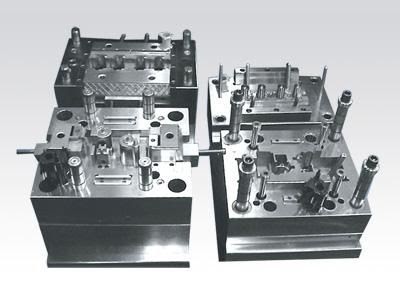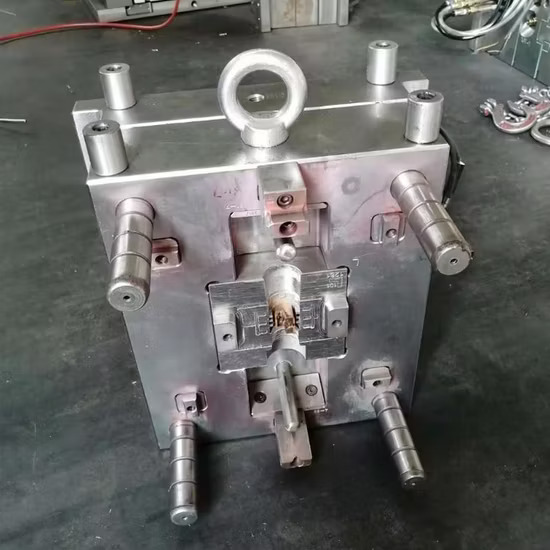
Automobile Molds

Mould Maintenance and Repair in Automotive Manufacturing

Moulds are critical components in automotive manufacturing, as they are used to produce high-precision parts through injection molding, casting, or stamping processes. Proper maintenance and repair of moulds are essential to ensure consistent part quality, minimize downtime, and extend the lifespan of the moulds. These activities are vital in maintaining operational efficiency and meeting the […]

Mould Maintenance and Repair in Automotive Manufacturing Read More »
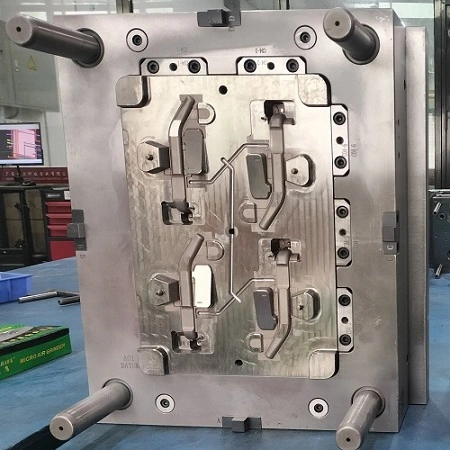
Heat Resistance in Automotive Molds

Heat resistance is a critical attribute in automotive molds due to the demanding thermal conditions encountered during both the molding process and the application of the final products. Automotive molds are subjected to high temperatures from molten materials such as plastics, rubbers, or metals during production, necessitating the use of materials that can withstand extreme

Heat Resistance in Automotive Molds Read More »

Properties of PVC for Molding and Manufacturing

Polyvinyl chloride (PVC) is one of the most versatile and widely used thermoplastics in molding and manufacturing. It is favored for its excellent balance of physical properties, cost-effectiveness, and adaptability to various industrial applications. PVC is available in rigid and flexible forms, allowing for a broad range of uses. Durability and Mechanical Strength: Rigid PVC

Properties of PVC for Molding and Manufacturing Read More »

Injection Molding of Under-the-Hood Components

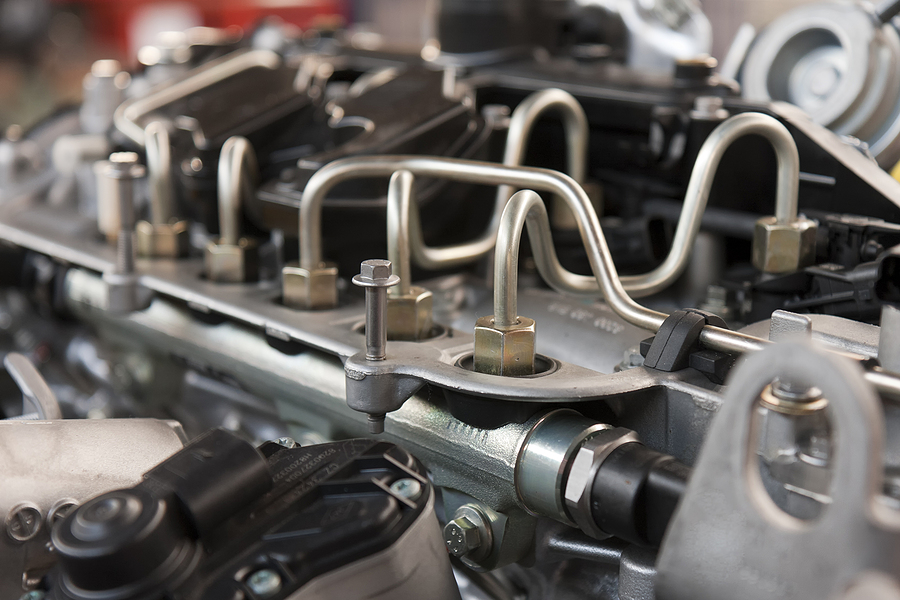
Injection molding plays a critical role in manufacturing under-the-hood components for the automotive industry. These parts, which must endure harsh conditions such as high temperatures, chemical exposure, and mechanical stress, require robust materials and precise engineering. Injection molding provides the necessary precision, material versatility, and cost-efficiency to meet these stringent requirements. Under-the-hood components often include

Injection Molding of Under-the-Hood Components Read More »

Tooling for Automotive Molds

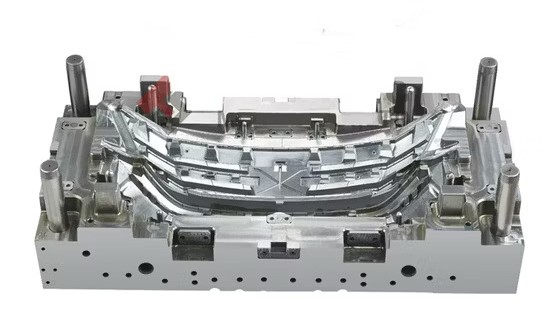
Tooling for automotive molds is a critical component in the manufacturing process of vehicle parts, ensuring precision, efficiency, and durability. Automotive molds are used to produce various components, including interior panels, exterior body parts, and functional systems, requiring them to meet stringent industry standards. The tooling process involves a series of specialized steps to create

Tooling for Automotive Molds Read More »

The Role of Thermoplastics in Automotive Mold Design

Thermoplastics play a critical role in modern automotive mold design, revolutionizing the way vehicles are manufactured and assembled. These materials, known for their versatility, lightweight properties, and cost-effectiveness, have become indispensable in producing automotive components that meet the industry’s stringent performance, safety, and environmental standards. One of the primary advantages of thermoplastics in automotive mold

The Role of Thermoplastics in Automotive Mold Design Read More »

Injection Molding for Fuel System Components

Injection molding plays a crucial role in manufacturing high-performance fuel system components, addressing the stringent requirements for precision, durability, and chemical resistance. These components, which include fuel tanks, connectors, valves, and sealing elements, must meet strict industry standards to ensure safety and efficiency in automotive and industrial applications. Material Selection for Fuel System ComponentsOne of

Injection Molding for Fuel System Components Read More »

Automobile Molds for Headlights and Tail Lights

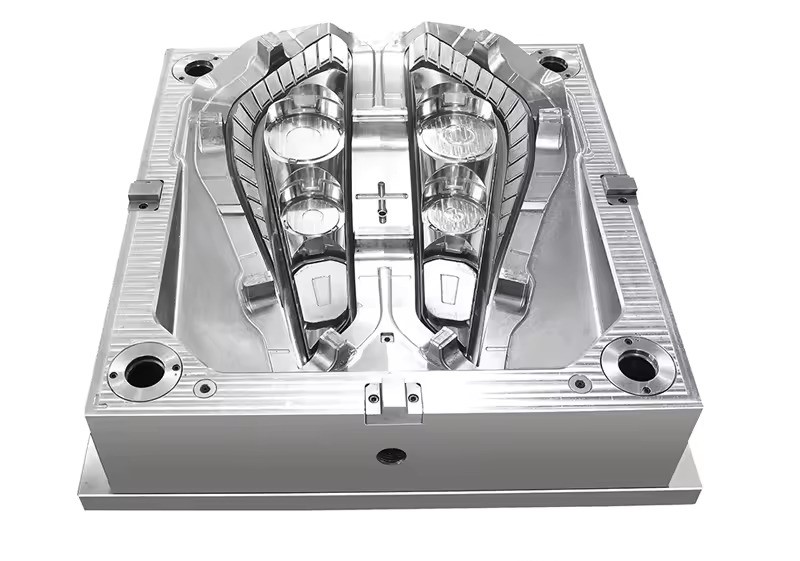
Automobile molds for headlights and tail lights are essential tools in the production of functional and aesthetically appealing vehicle lighting systems. These molds are crafted for injection molding processes, shaping durable thermoplastics such as polycarbonate (PC), polymethyl methacrylate (PMMA), and acrylonitrile butadiene styrene (ABS). These materials offer critical properties like impact resistance, transparency, and weather

Automobile Molds for Headlights and Tail Lights Read More »

Overmolding in Automotive Manufacturing

Overmolding is an advanced manufacturing process used in the automotive industry to enhance the functionality, durability, and aesthetics of components. It involves molding one material over another to create a single, cohesive part with multiple material properties. This technique has become increasingly prevalent due to its ability to streamline production, reduce assembly time, and improve

Overmolding in Automotive Manufacturing Read More »
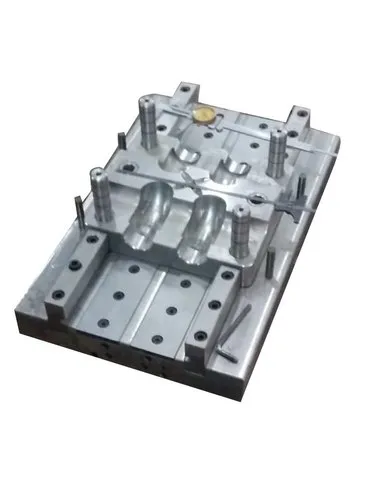
Advances in CAD for Automotive Mold Design

Computer-Aided Design (CAD) has revolutionized the automotive industry, particularly in mold design. Modern CAD tools provide robust features that enhance precision, efficiency, and innovation in creating molds for automotive components. Enhanced 3D Modeling and Simulation Advanced CAD systems now allow detailed 3D modeling of complex mold designs. Engineers can visualize and simulate the entire molding

Advances in CAD for Automotive Mold Design Read More »

Scroll to Top