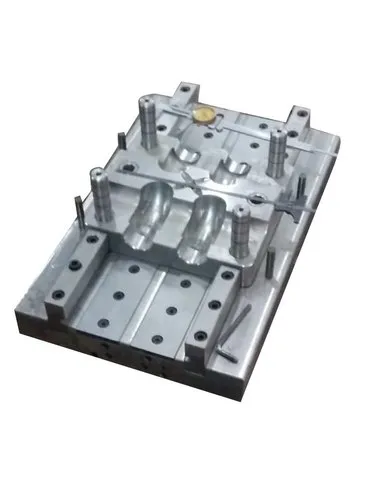
Scaling up cosmetic mould production is a complex endeavor that involves several technical, operational, and strategic challenges. As demand for cosmetic products grows—driven by trends like personalization, sustainability, and rapid product innovation—manufacturers face increasing pressure to deliver high-quality moulds at scale. Below are the key challenges faced during this scale-up process:
1. Maintaining Consistent Quality at Scale
One of the biggest challenges in scaling up is ensuring that all moulds maintain consistent dimensional accuracy, surface finish, and durability. Inconsistent mould quality can lead to defects in the final product such as uneven textures, improper filling, or deformation, which are unacceptable in the cosmetics industry where appearance and precision are critical.
Solution: Implementing strict quality control processes, automating inspections with vision systems, and using advanced simulation software during design can help maintain consistency.
2. Tooling and Material Limitations
High-quality cosmetic moulds often require specialized materials such as hardened steel or aluminum alloys, which can be expensive and difficult to machine in large volumes. Additionally, tooling must withstand the repeated thermal and mechanical stresses of high-volume production.
Solution: Investing in advanced CNC machining, EDM technologies, and high-performance tooling materials can alleviate some of these issues.
3. Increased Production Lead Time
As production scales, so do the complexities in scheduling, resource allocation, and logistics. Longer lead times for raw materials, extended machining durations, and bottlenecks in post-processing can delay project timelines.
Solution: Lean manufacturing techniques and digital production planning tools (like ERP and MES systems) can streamline operations and reduce downtime.
4. Cost Management
Scaling up usually involves higher capital expenditures on equipment, manpower, and materials. Without efficient processes, costs can spiral, making the production economically unsustainable.
Solution: Standardizing mould designs, optimizing manufacturing processes, and leveraging economies of scale can help in controlling costs effectively.
5. Design Complexity and Customization
The cosmetics industry frequently updates packaging designs and often requires molds for small batches of customized products. Meeting both high volume and high variability is a significant production challenge.
Solution: Modular mould designs and rapid prototyping technologies (like 3D printing) can allow quicker turnarounds for customized or small-batch requirements.
6. Skilled Workforce Shortage
Scaling up requires additional skilled technicians for design, CNC programming, quality control, and maintenance. A lack of skilled labor can impact both productivity and quality.
Solution: Investing in workforce training, partnerships with technical institutions, and partial automation can help bridge the skill gap.
7. Environmental and Regulatory Compliance
With growing concerns over sustainability and stricter regulations, manufacturers must ensure that their production methods comply with environmental norms, particularly concerning waste disposal, emissions, and material usage.
Solution: Adopting sustainable manufacturing practices, such as recycling scrap material and using eco-friendly lubricants and coolants, helps align with regulatory expectations.
8. Scalability of Infrastructure
The physical limitations of a manufacturing facility, such as space, power supply, and equipment capacity, can become constraints when production is scaled up.
Solution: Capacity planning, facility expansion, or adopting a distributed manufacturing model can help address these limitations.
Conclusion
Scaling up cosmetic mould production is not just about increasing output; it involves a strategic balance between technology, workforce, cost, and quality. Addressing these challenges with proactive planning, process optimization, and the integration of digital tools can ensure sustainable and efficient growth in mould manufacturing capabilities.