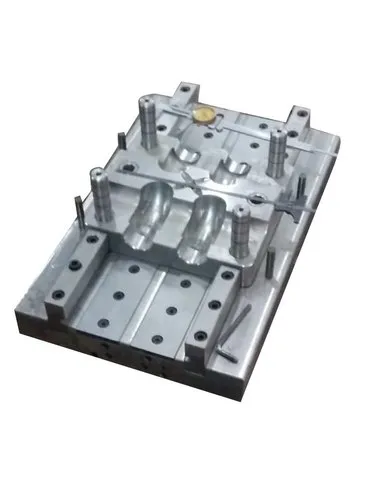
Caps and closures play a vital role in packaging, ensuring product integrity, safety, convenience, and brand identity. As markets evolve and consumer expectations shift, manufacturers and designers are exploring innovative approaches to stay ahead. Here are the key future trends shaping cap and closure design:
1. Sustainability and Eco-Friendly Materials
One of the most dominant trends is the move toward environmentally sustainable solutions:
Mono-material designs: Transitioning to single-material caps that are easier to recycle.
Biodegradable and compostable materials: Use of PLA, PHA, or other plant-based plastics.
Lightweighting: Reducing plastic content without compromising functionality.
Tethered caps: Driven by EU regulations, these caps remain attached to bottles, reducing litter.
2. Smart and Interactive Closures
Technological integration is enabling a new wave of smart packaging:
NFC/RFID-enabled caps: Allowing traceability, authentication, and consumer engagement via smartphones.
Tamper-evident technology: Enhancing safety while providing visual cues of product integrity.
Connected packaging: Integration with apps for promotions, user instructions, or refill notifications.
3. Enhanced User Experience
Convenience and ease-of-use are central to modern closure design:
Ergonomic features: Caps that are easier to grip, twist, or open for all age groups.
One-handed operation: Useful for products in healthcare, baby care, or sports drinks.
Dispensing functionality: Closures with built-in pumps, sprays, droppers, or flip-top designs.
4. Customization and Branding
As competition increases, brands seek to differentiate:
Unique closure shapes and colors: To align with brand identity and shelf appeal.
Textured and embossed designs: Adding a tactile element and enhancing perceived quality.
Personalized packaging: Using digital printing or variable design technologies.
5. Regulatory Compliance and Safety
Caps are evolving to meet stricter global regulations:
Child-resistant closures (CRC): Especially for pharmaceuticals and household chemicals.
Food-grade certifications: Ensuring compliance with FDA, EFSA, or other regulatory bodies.
Anti-counterfeit features: Security seals, holograms, or coded closures to combat fake products.
6. Refill and Reuse-Oriented Designs
In line with circular economy principles:
Refill-friendly caps: Designed to be reused or compatible with refill systems.
Reusable closures: Especially in personal care, cosmetics, and cleaning products.
Closed-loop programs: Supporting brands’ sustainability pledges by encouraging returnable packaging.
7. Digital Manufacturing and Prototyping
Advances in technology are reshaping how closures are developed:
3D printing: Enables rapid prototyping and testing of new designs.
AI-driven design: Optimizing closure geometry for performance and material efficiency.
Collaborative design platforms: Speeding up innovation through co-development with suppliers and customers.
Conclusion
The future of cap and closure design is centered on sustainability, smart functionality, and consumer engagement. As packaging continues to play a critical role in product performance and brand differentiation, designers and manufacturers must adapt to emerging trends and technological advancements to remain competitive and responsible.