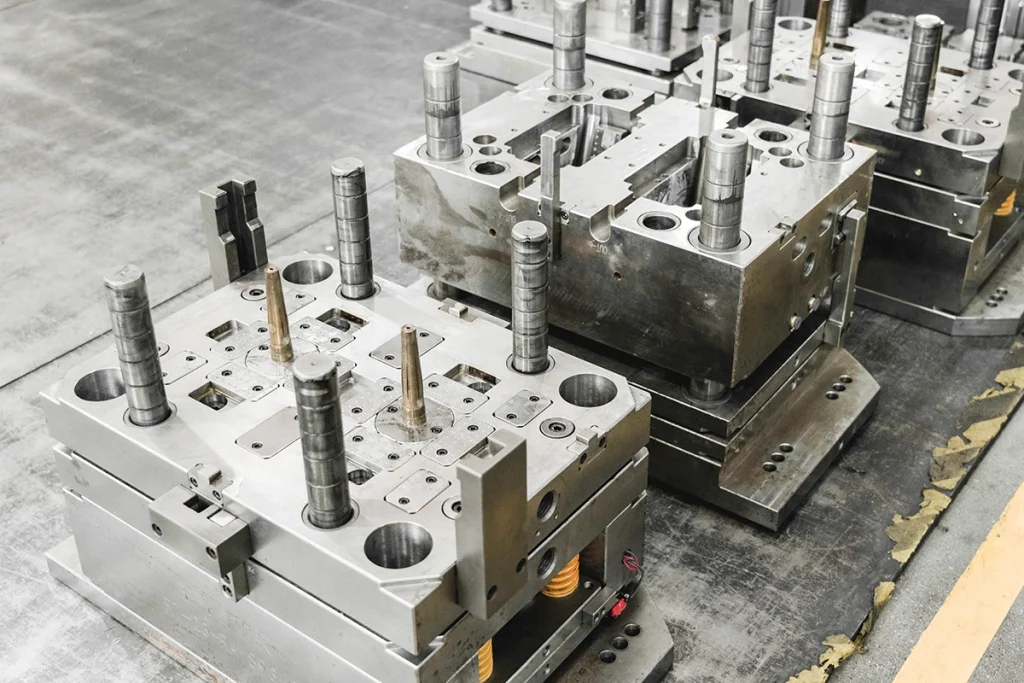
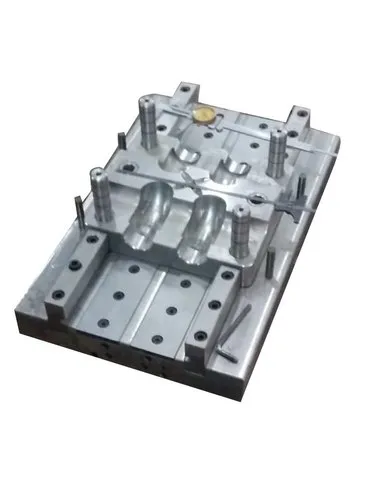
When manufacturing PVC (Polyvinyl Chloride) products, the production of molds is a critical component that influences both the quality and cost of the final product. The mold used in PVC production determines the precision, durability, and efficiency of the manufacturing process. As such, understanding the cost considerations in PVC mold production is essential for businesses seeking to optimize their operations and control manufacturing expenses. Below are the key factors to consider when assessing the costs involved in PVC mold production:
1. Material Selection
The type of materials chosen for making the molds plays a significant role in the overall cost. Common mold materials include steel, aluminum, and copper alloys. Each material has its benefits and drawbacks:
Steel molds are durable and suitable for high-volume production but are typically the most expensive due to their high strength and resistance to wear and tear.
Aluminum molds are lighter and less costly, making them suitable for short-run or prototype production. However, they may wear out faster compared to steel molds.
Copper alloys can be used for specific applications but are less common and generally more expensive than steel or aluminum.
Choosing the right material depends on the volume of production, required mold lifespan, and the budget constraints of the company.
2. Mold Design and Complexity
The complexity of the mold design directly affects the manufacturing cost. Simple molds require less time and fewer resources to produce. On the other hand, intricate designs, such as those with multiple cavities, complex geometries, or fine details, require more precise engineering and additional tooling, increasing the overall cost. Factors that impact mold design costs include:
Mold size: Larger molds are typically more expensive to manufacture.
Cavity number: Multi-cavity molds allow for multiple parts to be produced simultaneously but are more expensive upfront.
Cooling channels: Proper cooling design is essential for improving efficiency but adds to the complexity and cost.
Ejection systems: Molds with sophisticated ejection systems can increase the mold’s cost due to the additional mechanisms required.
Balancing between complexity and cost-efficiency is crucial when designing molds for PVC production.
3. Manufacturing Process
The methods used to create the molds also have a direct impact on cost. Common processes used in PVC mold production include:
CNC Machining: Computer Numerical Control (CNC) machining is used to shape the mold from metal blocks. It offers high precision but can be costly due to the time it takes and the expertise required.
Injection molding for the mold: In some cases, molds are themselves produced using injection molding techniques, which may be more affordable for high-volume, low-complexity designs.
EDM (Electrical Discharge Machining): This process is used for fine details and complex features in a mold. While it provides high precision, it can be expensive and time-consuming.
4. Volume of Production
The scale of production plays a critical role in mold cost considerations. For small runs or prototype products, the cost per mold may be higher due to the time, material, and effort needed for the setup. However, as production volume increases, the cost per mold decreases because the initial investment in the mold is amortized over a larger number of units.
In high-volume production, it may also be possible to utilize multiple cavity molds to further reduce costs, but this comes with the added initial cost of more complex mold design and manufacturing.
5. Maintenance and Durability
Molds used in PVC production require regular maintenance to ensure they remain functional and produce high-quality parts. Mold maintenance costs can include:
Repairing damaged parts: Mold wear and tear from continuous use can lead to the need for repairs.
Replacement of components: For molds that are heavily used, components like cores, inserts, and cooling channels may need to be replaced periodically.
Lubrication and cleaning: Routine cleaning and proper lubrication are essential to ensure the mold functions properly and to extend its lifespan.
The durability of the mold is a significant cost factor in long-term PVC production. Steel molds generally require less maintenance compared to softer materials like aluminum but may have a higher upfront cost.
6. Lead Time
The lead time required to design and manufacture a mold is an important consideration in cost estimation. A mold with a short lead time might cost more due to expedited processes and the associated resources. On the other hand, extended lead times may reduce production costs but may not align with tight production schedules.
Companies need to balance the urgency of production with the costs associated with lead time. Efficient planning and forecasting can help reduce the financial impact of long lead times.
7. Tooling Costs
Tooling costs refer to the costs associated with the creation and modification of molds, including the labor, machinery, and overhead involved in the process. Tooling costs can vary significantly depending on the size and complexity of the mold, and these costs are often one-time expenses that are amortized over the product’s production run.
Prototype molds typically incur higher tooling costs due to the need for custom work and one-off modifications.
Production molds are often more standardized and can have lower tooling costs when produced in larger quantities.
8. Energy Consumption
PVC mold production is an energy-intensive process, particularly when using techniques like CNC machining or injection molding. Energy costs can increase with complex designs or larger molds that require longer machining times. Optimizing energy use through efficient production methods or upgrading machinery can help mitigate these costs over time.
9. Material Waste
Material waste during mold manufacturing, such as excess metal or plastic used during the machining process, can add unnecessary costs. Employing strategies to minimize material waste, like precise machining or using high-quality materials, helps reduce these hidden costs.
Conclusion
Cost considerations in PVC mold production involve a delicate balance between material selection, mold design, manufacturing process, and production scale. Businesses must evaluate the trade-offs between quality, cost, and lead time to optimize their mold production processes. Understanding these key cost factors allows companies to make informed decisions that lead to improved profitability and efficiency in PVC manufacturing. By investing in the right materials, efficient designs, and quality maintenance, manufacturers can ensure the longevity of their molds and the success of their production lines.