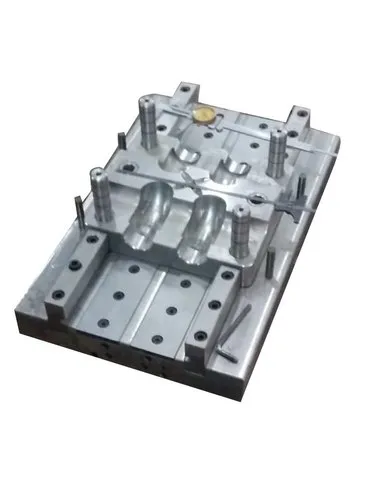
Cycle time — the total time required to complete one production cycle — is a critical performance metric in manufacturing. It directly impacts production capacity, operational efficiency, and overall profitability. One of the most effective strategies for cycle time reduction in metal forming, plastic molding, and stamping processes is efficient die design.
This article explores how strategic improvements in die design contribute to shorter cycle times, enhanced product quality, and optimized resource utilization.
Understanding Die Design and Its Role
A die is a specialized tool used in manufacturing to cut, shape, or form materials through processes like stamping, forging, extrusion, or injection molding. The design of a die influences several factors:
Material flow and fill time
Cooling or heating efficiency
Ease of part ejection
Tool wear and maintenance needs
Setup and alignment time
An inefficient die can cause production bottlenecks, frequent downtime, and increased scrap rates — all contributing to longer cycle times.
Key Principles for Reducing Cycle Time Through Die Design
1. Optimized Part and Cavity Layout
Balanced Cavities: Ensuring uniform flow and temperature distribution across cavities minimizes fill imbalances and defects.
Multi-cavity Design: Using multiple cavities in one die increases output per cycle and reduces unit cost.
2. Efficient Material Flow
Flow Simulation: Using CAD/CAE tools (like Moldflow or DEFORM) to simulate material behavior helps identify flow restrictions and optimize runner/gate design or material channels.
Rounded Transitions: Smooth transitions in geometry reduce resistance and help material fill faster.
3. Advanced Cooling/Heating Channel Design
Conformal Cooling: Incorporating 3D-printed conformal cooling channels ensures uniform temperature control, reducing cooling time significantly in injection molding and die casting.
Thermal Isolation: Insulating certain areas helps maintain optimal thermal zones, reducing heat-up or cool-down cycles.
4. Quick Ejection and Stripping Mechanisms
Ejector System Efficiency: Designing efficient and well-positioned ejector pins or plates ensures quick and damage-free part removal.
Stripper Plates & Lifters: Proper use of strippers and lifters in stamping dies can reduce part adhesion and improve throughput.
5. Modular and Standardized Components
Quick-Change Tooling: Modular die components and standardized inserts facilitate rapid changeovers, reducing machine downtime.
Easy Maintenance Access: Designs that allow easy removal or servicing of high-wear parts can minimize delays during production.
6. Precision Tolerancing and Alignment
Tight Tolerances: Accurate machining and die alignment reduce trial and error during setup, ensuring faster ramp-up to production speed.
Anti-backlash and Precision Guides: Reduce misalignment and rework during high-speed operations.
Benefits of Efficient Die Design
Shorter Cycle Times: Directly increases output per hour, enhancing productivity.
Reduced Downtime: Better durability and maintainability lead to fewer stoppages.
Improved Product Quality: Minimizes warping, short shots, and dimensional inconsistencies.
Lower Operational Costs: Less energy usage, lower scrap rates, and reduced rework.
Case Example: Cycle Time Reduction in Injection Molding
A plastic component manufacturer redesigned their mold to incorporate conformal cooling and optimized gate placement. This resulted in:
35% reduction in cooling time
20% overall cycle time improvement
Improved part consistency and reduced rejects
The investment in improved die design paid off in under 6 months due to higher throughput and reduced quality issues.
Conclusion
Cycle time reduction is not solely a function of machine speed or operator efficiency. At the core lies die design, which influences nearly every aspect of the manufacturing cycle. By leveraging modern simulation tools, additive manufacturing technologies, and precision engineering practices, manufacturers can achieve substantial improvements in productivity through smarter, more efficient die design.