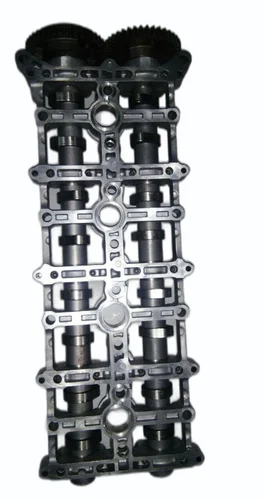
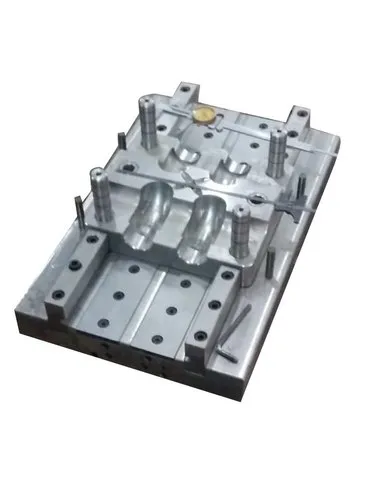
Designing molds for automotive engine components is a sophisticated process that requires a deep understanding of material behavior, manufacturing techniques, and product design specifications. This guide outlines the key considerations, design principles, and best practices for creating complex molds for engine components.
1. Understanding Engine Component Requirements
Before starting the mold design, it is essential to gather detailed information about the engine component, including:
- Material Specifications: Engine components are often made from aluminum alloys, cast iron, or composite materials.
- Dimensional Tolerances: Automotive parts require tight tolerances to ensure functionality and safety.
- Surface Finish Requirements: Critical surfaces may require specific roughness levels.
- Operating Environment: High temperatures and pressures may influence design decisions.
2. Types of Molds for Engine Components
Common types of molds used in engine component manufacturing include:
- Sand Casting Molds: Used for large components like engine blocks and cylinder heads.
- Die Casting Molds: Suitable for mass production of lightweight components.
- Investment Casting Molds: Used for complex, high-precision parts.
- Injection Molds: Often used for plastic or composite engine components.
3. Key Considerations in Mold Design
a. Material Selection
- Molds are typically made from hardened tool steel, aluminum, or copper alloys.
- High-wear areas may require coatings like nitriding or PVD for increased durability.
b. Cooling System Design
- Efficient cooling channels are essential to control the thermal profile during production.
- Conformal cooling channels can reduce cycle time and improve part quality.
c. Parting Line and Ejection System
- Determining the appropriate parting line minimizes visible defects.
- The ejection system should prevent damage to the component and ensure smooth removal.
d. Shrinkage Compensation
- Predicting material shrinkage is critical for maintaining dimensional accuracy.
- Simulation software can aid in accurate shrinkage prediction.
e. Venting and Gating System
- Proper venting prevents gas entrapment and defects.
- Balanced gating systems ensure uniform material flow and minimize turbulence.
4. Simulation and Prototyping
- Mold Flow Analysis: Used to predict flow behavior, cooling patterns, and potential defects.
- Finite Element Analysis (FEA): Ensures mold strength and thermal performance.
- Rapid Prototyping: Allows designers to create physical models for testing before full-scale production.
5. Quality Control and Testing
- Dimensional Inspection: Coordinate measuring machines (CMM) ensure dimensional accuracy.
- Non-Destructive Testing (NDT): Detects internal defects without damaging the part.
- Material Testing: Ensures the mold material can withstand production demands.
6. Best Practices in Complex Mold Design
- Collaborate closely with product designers and manufacturing engineers.
- Use advanced CAD software for detailed mold design and simulation.
- Incorporate modular designs to facilitate maintenance and repairs.
- Perform iterative design improvements based on testing and feedback.
7. Conclusion
Designing complex molds for automotive engine components involves a careful balance of engineering, material science, and manufacturing expertise. By following best practices and leveraging advanced technologies, manufacturers can ensure efficient production, high-quality components, and optimized costs.