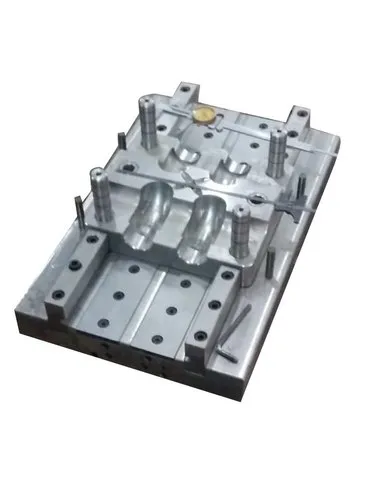
In the cosmetic industry, the design of moulds used for packaging and product components plays a vital role in ensuring the usability, safety, and overall user experience of the final product. Ergonomics in cosmetic mould design goes beyond aesthetic appeal—it focuses on optimizing product interaction, ease of use, and manufacturing efficiency. This intersection of human factors engineering and industrial design is crucial in meeting consumer expectations while maintaining production feasibility.
1. Understanding Ergonomics in Cosmetic Moulds
Ergonomics refers to the study of designing products that fit the users’ needs, capabilities, and limitations. In cosmetic moulds, ergonomic considerations influence the shape, texture, weight, and functionality of containers, applicators, caps, and dispensers.
Key ergonomic principles include:
Comfort: Products should be easy and pleasant to hold and use.
Accessibility: Users of all ages and abilities should be able to operate the product easily.
Functionality: The product must function as intended without strain or confusion.
Safety: Design must minimize the risk of injury or misuse.
2. Ergonomic Considerations in Cosmetic Mould Design
a. Grip and Handling
Contours and curvature must align with the human hand. Lipstick tubes, foundation bottles, and compacts are often contoured to prevent slipping and support one-handed use.
Surface textures (matte, ribbed, rubberized) enhance grip and tactile feedback.
b. Size and Weight
Moulds must be designed to produce packaging that is lightweight but durable.
Oversized containers may look luxurious but can cause discomfort during prolonged use or transport.
c. Ease of Opening and Closing
Caps and dispensers must balance secure sealing with ease of opening, especially for users with limited strength or dexterity (e.g., elderly users).
Snap fits, threaded caps, and magnetic closures are optimized using ergonomic testing.
d. Applicator Design
Brushes, sponges, and wands must be ergonomically shaped for precise and comfortable application.
Handle design in applicators often includes finger grooves or angled tips for better control.
e. Visual and Tactile Cues
Raised indicators or patterns help users identify product features by touch.
Visual cues like arrows, icons, or color coding assist in intuitive operation.
3. Ergonomics and Injection Mould Design
From a tooling perspective, the ergonomic intent must be built into the injection mould design phase:
Core and cavity design must allow precise replication of ergonomic features (curves, grips, undercuts).
Draft angles should facilitate easy ejection of complex ergonomic shapes without damaging surface details.
Material selection (thermoplastics, elastomers) must support the tactile and weight requirements of the ergonomic design.
4. Prototyping and Testing
Ergonomic designs should be validated through:
3D printing and rapid prototyping to evaluate form, fit, and function.
User testing across demographics to gather feedback on comfort, usability, and appeal.
Iterative design to refine based on test results before mould manufacturing.
5. Balancing Ergonomics with Manufacturability
While ergonomic improvements enhance user satisfaction, they must be weighed against:
Cycle time and cost in moulding processes.
Complexity in tooling, such as need for slides or lifters to accommodate ergonomic contours.
Durability of features—thin ergonomic grips must not compromise structural integrity.
Collaborating across industrial design, mould engineering, and human factors teams is essential to balance these needs.
Conclusion
Designing for ergonomics in cosmetic moulds ensures that products are not only visually attractive but also functional, safe, and comfortable for users. Ergonomics must be embedded early in the design process and carried through to the mould design and production phases. As consumer expectations for convenience and experience continue to rise, ergonomic innovation will remain a key differentiator in cosmetic packaging design.