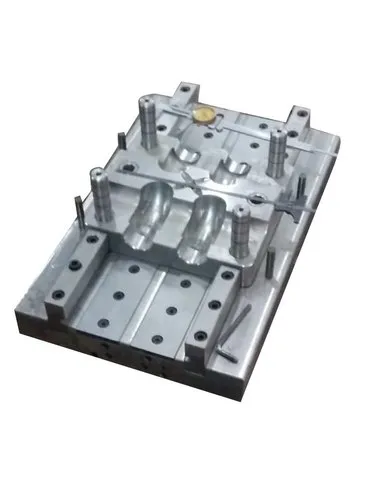
In the cosmetic industry, aesthetics, precision, and product consistency are paramount. Moulding processes are critical for producing high-quality packaging, applicators, and containers for cosmetic products. Integrating Digital Twin technology into cosmetic mould simulation has emerged as a transformative approach, enabling manufacturers to enhance quality, reduce costs, and accelerate time-to-market.
What is a Digital Twin?
A Digital Twin is a virtual replica of a physical object, system, or process. It uses real-time data and simulations to mirror the behavior, condition, and performance of its physical counterpart. In manufacturing, it helps monitor, optimize, and predict outcomes with high accuracy.
Role of Digital Twins in Cosmetic Mould Simulation
1. Design Optimization
Digital Twins enable virtual testing of mould designs before actual manufacturing. This allows engineers to:
Analyze how material will flow within the mould.
Predict potential defects such as warping, sink marks, or incomplete filling.
Test multiple design iterations rapidly, saving time and material.
2. Material Behavior Simulation
Cosmetic packaging often uses polymers and blends with specific aesthetic and tactile properties. Digital Twins simulate:
Polymer flow characteristics.
Cooling and solidification patterns.
Surface finish and texture reproduction.
This is crucial in achieving the desired look and feel of the final product.
3. Process Monitoring and Control
Sensors embedded in the mould or production equipment feed real-time data to the digital twin. This data enables:
Continuous monitoring of temperature, pressure, and cycle times.
On-the-fly adjustments to improve product quality.
Early detection of anomalies and process deviations.
4. Predictive Maintenance
By tracking mould wear, cycle count, and stress data, digital twins predict:
When maintenance is needed.
Which components are likely to fail.
This reduces downtime and increases operational efficiency.
Benefits for the Cosmetic Industry
Enhanced Aesthetic Quality: Ensure every detail, from texture to gloss, is reproduced accurately.
Faster Time-to-Market: Rapid prototyping and validation reduce the product development cycle.
Reduced Waste and Cost: Minimize trial-and-error in physical testing and reduce scrap rates.
Greater Customization: Easily adapt moulds for limited-edition or personalized packaging designs.
Sustainability: Optimize material usage and energy consumption during production.
Case Example (Hypothetical)
A leading cosmetics brand used digital twin simulation to redesign the mould for a new lipstick container. By simulating the material flow and cooling behavior, they reduced surface blemishes by 90%, cut tooling iterations from 3 to 1, and launched the product two months earlier than planned.
Challenges and Considerations
Initial Investment: High upfront cost for simulation software and sensor integration.
Data Integration: Ensuring accurate, real-time data from production lines.
Expertise Requirement: Skilled personnel needed for simulation setup and analysis.
Conclusion
Digital Twins in cosmetic mould simulation offer a powerful convergence of design, manufacturing, and data analytics. As consumer demands for high-quality, sustainable, and innovative cosmetic packaging grow, adopting this technology can provide a significant competitive edge. It transforms traditional moulding from a reactive process into a proactive, data-driven system that ensures excellence in every unit produced.