Introduction Polyvinyl Chloride (PVC) is one of the most widely used synthetic plastics across the globe, primarily due to its versatility, durability, and relatively low cost. PVC is used in various applications, including construction materials, electrical cables, medical devices, and automotive components. However, despite its advantages, PVC also raises significant environmental concerns, particularly in the areas of production, disposal, and recycling. This article explores the environmental concerns associated with PVC molding and examines the possibilities and challenges of recycling PVC materials.
Environmental Concerns in PVC Molding
Production Impact
Toxic Chemicals: The production of PVC involves the use of hazardous chemicals, including chlorine and petrochemical feedstocks. The chlorine used in PVC production is a toxic substance that can release harmful by-products during manufacturing. Furthermore, the use of vinyl chloride monomer (VCM), a precursor in PVC manufacturing, poses a significant risk as VCM is a known carcinogen.
Energy-Intensive Process: PVC production requires a considerable amount of energy, contributing to higher carbon emissions and an increased environmental footprint.
Release of Dioxins: In some cases, PVC production processes can release dioxins and other harmful substances into the environment. These by-products are not only toxic but can also persist in ecosystems, posing long-term environmental risks.
End-of-Life Issues
Non-Biodegradable: PVC is not biodegradable, which means that once it reaches the end of its lifecycle, it does not break down naturally in the environment. The material can persist in landfills for hundreds of years, contributing to the growing issue of plastic waste.
Landfill Contamination: The improper disposal of PVC products in landfills can lead to the leaching of toxic substances, including heavy metals and additives, which can contaminate soil and groundwater. PVC products can also release harmful gases when exposed to high heat in landfills, further contributing to environmental pollution.
Recycling PVC Molding: Challenges and Opportunities
Challenges in Recycling PVC
Contamination: PVC often contains a range of additives such as stabilizers, plasticizers, and flame retardants, making it difficult to recycle. These additives may interfere with the recycling process, leading to contamination of recycled materials and reducing the quality of the end product.
Complex Recycling Process: PVC recycling is more complex than that of other plastics like polyethylene or polypropylene. PVC must be separated from other materials before it can be processed, and some forms of PVC (such as those used in plumbing or medical devices) may not be suitable for recycling due to the risk of contamination with other materials.
Low Recycling Rates: PVC is less commonly recycled than other plastics. In part, this is because of its complexity and the costs associated with properly sorting and processing the material. Additionally, there is limited infrastructure for PVC recycling compared to more widely used plastics.
Types of PVC Recycling
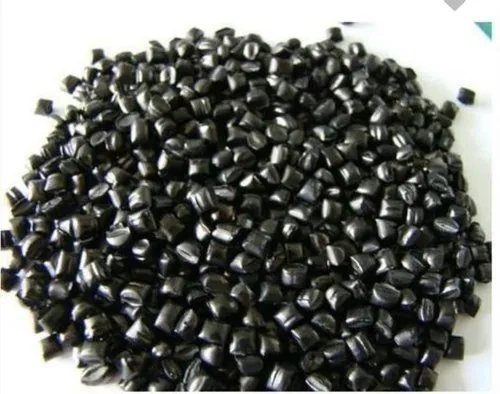
Mechanical Recycling: In mechanical recycling, PVC waste is shredded and reprocessed into pellets or new products. However, due to the complexity of the material and the presence of contaminants, this method is not always effective, particularly for rigid PVC products.
Chemical Recycling: Chemical recycling involves breaking down PVC into its chemical components, which can then be used to produce new materials. This method holds potential for recycling PVC waste that cannot be processed through mechanical means. However, it is still in the early stages of development and can be expensive.
Energy Recovery: In some cases, PVC waste can be used for energy recovery through incineration, which generates heat and electricity. However, this process can release harmful gases, including dioxins, and is not considered a sustainable solution.
Advancements in PVC Recycling
Developments in Additive-Free PVC: Some manufacturers are exploring the development of PVC formulations that contain fewer harmful additives or are free from certain chemical compounds, making them easier to recycle. This innovation could improve the recyclability of PVC products and reduce the environmental impact associated with their disposal.
Closed-Loop Recycling: Closed-loop recycling refers to the process of recycling PVC into new PVC products, allowing for a circular economy approach. This would reduce the need for new raw materials and help mitigate environmental impacts. Several companies are already exploring this approach, and it could significantly increase PVC recycling rates in the future.
Biodegradable Alternatives: Research is ongoing into creating biodegradable alternatives to traditional PVC materials. While not a complete replacement, these bio-based materials could reduce the environmental impact of PVC production and disposal.
Best Practices for Reducing PVC Environmental Impact
Extended Producer Responsibility (EPR): EPR is a policy approach that requires manufacturers to take responsibility for the lifecycle of their products, including recycling and disposal. By implementing EPR programs for PVC products, manufacturers can be incentivized to develop more sustainable products and improve recycling rates.
Design for Recycling: Manufacturers can help reduce PVC’s environmental impact by designing products with recycling in mind. This includes using fewer additives, simplifying material structures, and promoting the use of recyclable PVC in product manufacturing.
Consumer Awareness: Raising consumer awareness about the environmental impact of PVC and promoting responsible disposal practices can also contribute to reducing PVC’s environmental footprint. Encouraging recycling programs and the proper disposal of PVC materials can help divert waste from landfills and increase recycling rates.
Adopting Alternative Materials: As part of the drive toward sustainability, many industries are exploring alternative materials that may be more environmentally friendly than PVC. These alternatives, such as bioplastics or less toxic plastic options, could help reduce reliance on PVC and mitigate its environmental impact.
Conclusion
While PVC molding offers many advantages in terms of functionality and cost, it also raises significant environmental concerns, particularly related to production, disposal, and recycling. The challenges associated with recycling PVC and managing its environmental footprint highlight the need for ongoing innovation in both manufacturing practices and material science. As the demand for more sustainable materials grows, the development of more recyclable forms of PVC, as well as alternative materials, will be crucial in addressing these concerns. Efforts to improve recycling systems, increase awareness, and foster innovation in material design will play a critical role in reducing the environmental impact of PVC and shaping a more sustainable future for plastic production.