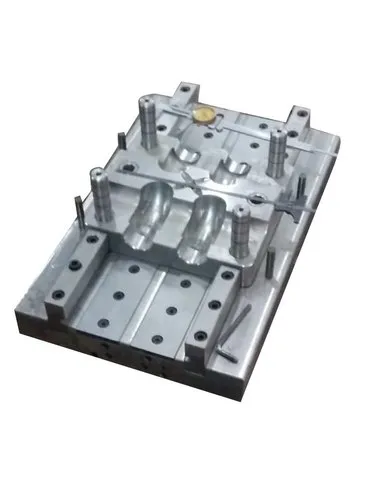
Blow moulding, a widely used manufacturing process for producing hollow plastic products such as bottles and containers, is increasingly influenced by environmental regulations. These regulations aim to mitigate the environmental impact of plastic production, use, and disposal. Manufacturers must navigate a complex landscape of international, national, and local environmental laws that affect raw materials, production methods, emissions, recycling, and end-of-life disposal. Below are key environmental regulations and their impact on blow moulding operations:
1. Restrictions on Plastic Materials
Many regulations now limit or ban the use of certain plastic resins due to their environmental persistence or toxicity.
Single-Use Plastic Bans: Many countries and regions have implemented bans or restrictions on single-use plastic products, which directly affects blow moulded items such as disposable bottles or packaging.
EU Plastics Strategy & REACH Regulation: The EU requires safer alternatives to harmful additives like phthalates and bisphenol A (BPA) in plastic products, impacting material selection.
U.S. Toxic Substances Control Act (TSCA): Regulates chemical substances used in plastic production, prompting reformulation in blow moulded product lines.
2. Recycled Content Mandates
To encourage a circular economy, governments are mandating the use of post-consumer recycled (PCR) plastics.
California’s SB 270 and AB 793 Laws: These mandate increasing levels of recycled content in plastic beverage containers (e.g., 15% by 2022, up to 50% by 2030).
EU Packaging and Packaging Waste Directive: Requires plastic packaging to contain minimum recycled content and be recyclable by 2030.
Impact: Blow moulding operations must adapt equipment and processes to handle recycled materials, which may have different properties compared to virgin resins.
3. Emissions and Energy Use Regulations
Manufacturing processes are subject to rules governing emissions and energy efficiency.
Greenhouse Gas (GHG) Emissions Standards: Regulations like the EU Emissions Trading System (ETS) and national carbon taxes encourage manufacturers to reduce CO₂ emissions from production.
Energy Efficiency Requirements: Standards such as ISO 50001 encourage or require energy-efficient manufacturing practices.
Impact: Blow moulding facilities must invest in energy-efficient machinery and adopt clean energy practices to remain compliant and competitive.
4. Waste Management and Recycling Regulations
Proper waste handling and increased recycling rates are core focuses of modern environmental policy.
Extended Producer Responsibility (EPR): Laws in the EU, Canada, and parts of the U.S. make producers financially responsible for the end-of-life management of their plastic products.
Waste Framework Directive (EU): Requires recovery, reuse, or recycling of plastic products and packaging waste.
Impact: Blow moulding manufacturers may need to redesign products for recyclability and collaborate with recyclers to close the loop.
5. Microplastic and Environmental Leakage Regulations
Growing concerns about plastic pollution are leading to regulations targeting microplastics and environmental leakage.
UN Treaty on Plastic Pollution (In Progress): Aims to create global rules to prevent plastic leakage into the environment.
National Microplastic Bans: Some countries are banning microbeads and regulating pellet loss during transport and processing.
Impact: Blow moulding operations must adopt best practices for pellet containment, material handling, and environmental monitoring.
6. Compliance and Reporting Obligations
Environmental laws often come with detailed documentation, auditing, and reporting requirements.
Environmental Impact Assessments (EIA): Required for new or expanded blow moulding facilities in many jurisdictions.
Sustainability Reporting: Large companies may need to disclose environmental performance under frameworks like GRI, CDP, or CSRD (EU).
Impact: Compliance requires increased investment in environmental monitoring, staff training, and reporting systems.
Conclusion
Environmental regulations are reshaping the blow moulding industry by driving sustainability, innovation, and accountability. Manufacturers are encouraged to adopt eco-friendly materials, improve energy efficiency, and design products with end-of-life management in mind. While compliance can be costly, it also presents opportunities for companies to lead in sustainable packaging and gain competitive advantages in a market increasingly driven by environmental concerns.