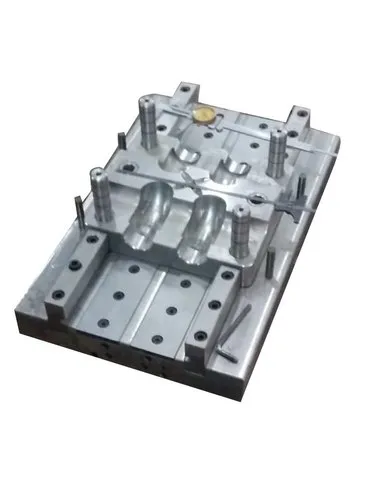
Eye shadow and powder compact mould designs play a crucial role in the aesthetics, functionality, and branding of cosmetic products. These moulds are responsible for shaping the final product that consumers see and use, impacting not only the product’s visual appeal but also its usability and longevity. Here’s a comprehensive overview of mould designs in eye shadow and powder compacts:
1. Overview of Cosmetic Moulding
Moulding in cosmetics refers to the process of shaping powdered or cream-based products into specific forms using custom-designed moulds. For eye shadow and face powder compacts, the mould design determines the texture, depth, pan size, and even branding elements like logos or imprints.
2. Types of Moulds Used
a. Metal Moulds
Commonly made from aluminum or stainless steel.
Used in large-scale manufacturing due to durability and precision.
Ideal for producing clean, detailed shapes or embossing brand logos.
b. Silicone Moulds
Flexible and easy to demould.
Preferred for smaller batches or artisanal products.
Allow more complex, 3D shapes and textures.
c. Plastic Injection Moulds
Used for the compact casing, not the product itself.
Key in forming the outer packaging design.
3. Design Considerations
a. Size and Shape
Standard round, square, or rectangular pans.
Custom shapes (hearts, stars, flowers) for limited editions or special collections.
b. Texture and Surface Finish
Smooth finishes for classic looks.
Embossed textures for decorative or branding purposes (e.g., floral patterns, company logos).
c. Cavities and Compartments
Single-pan or multi-pan designs.
Magnetic or refillable moulds for eco-friendly packaging.
4. Functional Design Features
Anti-crumble edges to maintain product integrity.
Depth control to manage fill volume and weight.
Easy demoulding to reduce waste during production.
Heat resistance (for baked powder products).
5. Aesthetic and Branding Elements
Custom engravings (logos, product names).
Seasonal motifs or thematic patterns.
Decorative rims or dual-tone moulding for premium appearances.
6. Trends in Mould Design
Sustainability: Refillable pans and reusable moulds.
Customization: Personalized imprints for niche markets.
Minimalist Designs: Clean lines and smooth finishes to reflect modern aesthetics.
7. Challenges in Mould Design
Consistency in mass production.
Avoiding air bubbles and cracking during filling or pressing.
Balancing creative design with practicality in storage and use.
8. Conclusion
The design of eye shadow and powder compact moulds is an intricate blend of engineering and artistry. It directly influences consumer perception and product performance. As cosmetics continue to evolve, so do the mould designs—adapting to new materials, branding strategies, and consumer preferences.