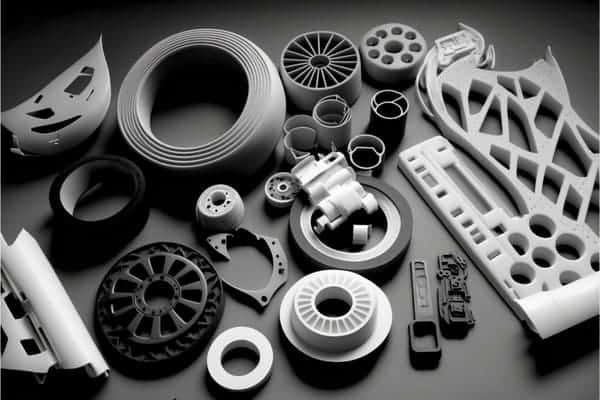
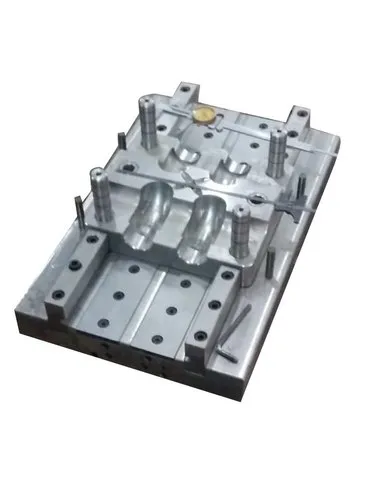
As industries worldwide pivot toward greener, more efficient manufacturing processes, PVC (Polyvinyl Chloride) molding is undergoing a transformative evolution. Innovations in technology, materials, and sustainability practices are shaping the future of PVC molding, making it smarter, cleaner, and more adaptable than ever before.
1. Advanced Molding Technologies
One of the most promising areas of innovation lies in the development of precision molding technologies. These include:
3D printing with PVC-based filaments – allowing for complex, custom shapes with minimal waste.
Microcellular injection molding – reducing material usage while maintaining strength and performance.
AI-driven process optimization – using sensors and machine learning to monitor and control molding conditions in real time, ensuring higher efficiency and fewer defects.
2. Bio-Based and Recycled PVC
To tackle environmental concerns, researchers are developing bio-attributed PVC derived from renewable feedstocks. While traditional PVC is fossil fuel-based, newer approaches use sustainable alternatives like:
Bio-ethylene sourced from sugarcane or corn
Mechanical and chemical recycling of PVC waste
Closed-loop manufacturing systems that reduce raw material demand
These developments not only lower the carbon footprint but also promote circular economy models within the plastics industry.
3. Additive Innovations
The inclusion of eco-friendly plasticizers and stabilizers is revolutionizing the performance and environmental impact of PVC products. Innovations in additives help:
Reduce the presence of heavy metals and toxic compounds
Improve product lifespan and durability
Enhance recyclability of molded PVC components
4. Energy-Efficient Manufacturing
Modern PVC molding plants are investing in energy-efficient machinery and processes. Examples include:
Electric injection molding machines that consume less power than hydraulic ones
Heat recovery systems that reuse energy from the cooling and heating processes
Smart factory integration using IoT to optimize power consumption
These advancements significantly cut down on greenhouse gas emissions and operating costs.
5. Sustainable End-of-Life Strategies
PVC products traditionally pose challenges in disposal, but new solutions are emerging:
Design for disassembly enables easier recycling at the product’s end of life.
PVC upcycling transforms used materials into high-value products.
Chemical recycling techniques break PVC down to its monomers for reuse, reducing landfill waste.
Conclusion
The future of PVC molding is not only about technical excellence but also about responsible manufacturing. By embracing innovations in materials, molding techniques, and sustainability practices, the industry can deliver high-performance PVC products while minimizing its environmental footprint. As these trends continue to evolve, we can expect a more sustainable and technologically advanced future for PVC applications across construction, automotive, healthcare, and consumer goods.