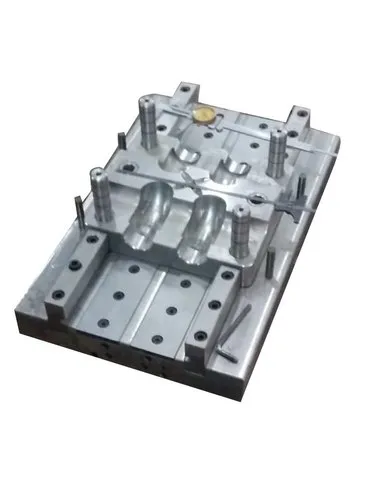
The cosmetics industry is undergoing rapid transformation, driven by global trends such as sustainability, personalization, technological innovation, and shifting consumer preferences. These trends are directly impacting the demand for cosmetic moulds—precision tools used to manufacture packaging for beauty products such as compacts, lipstick cases, jars, and bottles. As brands innovate and adapt, mould manufacturers must also evolve to meet changing requirements. Below are the key global trends shaping cosmetic mould demand:
1. Rise of Sustainable and Eco-Friendly Packaging
As consumers become more environmentally conscious, cosmetic brands are shifting to sustainable materials like biodegradable plastics, recycled resins, and refillable containers. This shift affects cosmetic mould demand in several ways:
New Materials Require New Moulds: Moulds need to be redesigned to accommodate alternative materials with different flow and cooling characteristics.
Design Adjustments: Refillable and recyclable designs require precision engineering and modular mould systems.
Shorter Lifecycles: As sustainable packaging evolves, the frequency of mould design updates increases, driving demand for more flexible and adaptable mould-making services.
2. Personalization and Customization
Consumers now expect products tailored to their preferences, including packaging. Personalized packaging—such as engraved compacts or unique shapes for limited editions—has become a competitive differentiator.
Increase in Custom Mould Orders: Demand for smaller batch moulds that can create niche, customized packaging has surged.
Rapid Prototyping & Short Runs: Brands seek faster turnaround and rapid design testing, pushing mould makers toward digital manufacturing and 3D printing integration.
3. Technological Advancements in Mould Manufacturing
Technological innovation is transforming how cosmetic moulds are designed, developed, and produced:
Use of CAD/CAM and Simulation Software: These tools improve precision and reduce errors, making it possible to produce complex and detailed cosmetic moulds efficiently.
Adoption of Industry 4.0: Automation, data analytics, and smart sensors are being used to monitor and optimize mould production, improving quality and reducing downtime.
Additive Manufacturing (3D Printing): Used increasingly for mould inserts and prototyping, enabling faster and cost-effective product development cycles.
4. E-Commerce and Direct-to-Consumer (DTC) Models
Online sales and DTC brands are booming, altering packaging needs:
Unique, Instagrammable Packaging: Visually distinctive packaging has become vital, driving demand for creative and unconventional mould designs.
Frequent Product Launches: E-commerce brands release new SKUs more often, requiring flexible and quick-turnaround moulding solutions.
5. Globalization and Localized Production
Cosmetic brands are expanding into emerging markets, and with them comes demand for localized packaging production.
Regional Mould Manufacturing: Brands often prefer to source moulds closer to production sites to reduce lead times and transportation costs.
Compliance and Standards: Mould designs must meet local regulations and aesthetic preferences, increasing the need for region-specific mould solutions.
6. Premiumization and Aesthetic Appeal
As luxury and prestige cosmetic segments grow, there’s increased emphasis on high-end packaging aesthetics and tactile experiences.
High-Precision Moulds: Premium packaging demands high-precision, multi-cavity moulds capable of producing intricate details and superior finishes.
Textured and Multi-Material Moulding: Complex moulding processes (e.g., overmoulding, insert moulding) are increasingly required for hybrid designs.
Conclusion
The global cosmetics industry’s evolution is significantly reshaping the landscape for cosmetic mould manufacturers. To stay competitive, mould producers must embrace innovation, sustainability, agility, and regional adaptability. As demand becomes more dynamic and complex, those who can deliver precision, speed, and customization will be best positioned to thrive in the next generation of cosmetic packaging.