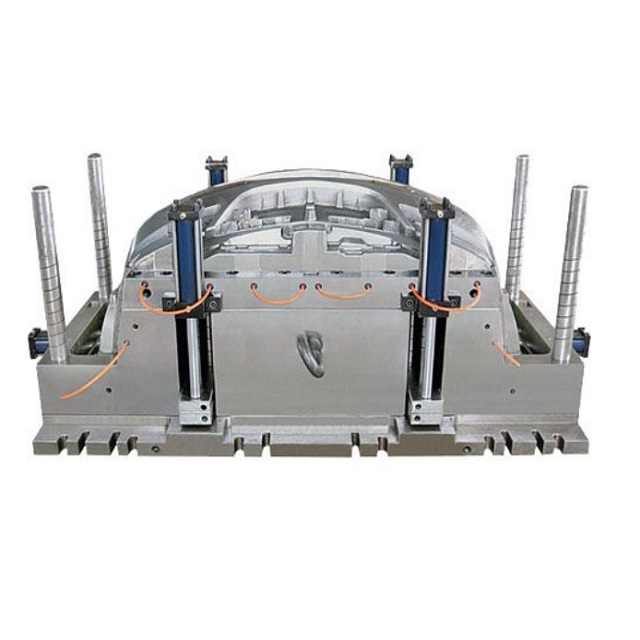
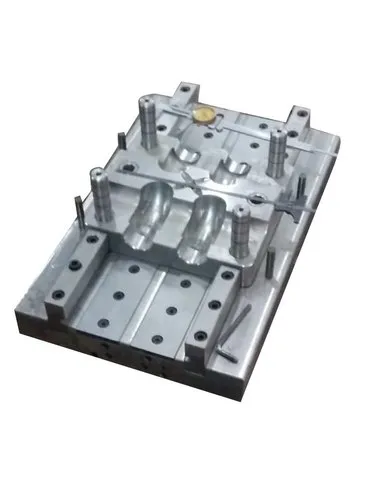
Injection molding is a key manufacturing process used in the production of high-performance and luxury car parts. As the automotive industry pushes the boundaries of innovation, quality, and aesthetics, injection molding has become a crucial technique for meeting the high standards of these specialized vehicles. The process allows for the production of complex, lightweight, and durable parts that are essential for both the performance and design of luxury and high-performance cars.
What is Injection Molding?
Injection molding is a manufacturing process where molten material (often plastic) is injected into a mold cavity under high pressure. Once cooled, the material hardens to form the desired shape. The process is highly versatile and can be used to create parts with intricate geometries, precise dimensions, and high surface quality.
Benefits of Injection Molding for High-Performance and Luxury Car Parts
Precision and Consistency: Injection molding is known for its ability to create parts with high precision and uniformity, which is crucial for high-performance and luxury car components. Parts like dashboards, center consoles, and intricate exterior details need to adhere to strict specifications, and injection molding meets this requirement consistently.
Complex Geometries and Designs: Modern luxury vehicles require parts with complex geometries and unique designs, often incorporating ergonomic or aesthetic features. Injection molding allows manufacturers to create parts that include fine details, curved shapes, and fine textures, which are important for both performance and visual appeal.
Lightweight Construction: With the growing emphasis on fuel efficiency and performance, lightweight materials are in demand for automotive components. Injection molding supports the use of lightweight thermoplastics, which can reduce the overall weight of the vehicle without compromising on strength or performance. This is especially important for luxury and high-performance vehicles, where weight reduction can improve speed, handling, and fuel efficiency.
Material Flexibility: Injection molding can accommodate a wide range of materials, including high-strength thermoplastics, thermosets, and advanced composites. These materials can be tailored to meet the specific performance requirements of luxury and high-performance car parts, such as heat resistance, impact resistance, and aesthetic finishes.
Surface Finish and Aesthetic Quality: In high-performance and luxury cars, the appearance of each component is as important as its functionality. Injection molding provides excellent surface finishes, including smooth, glossy surfaces, matte finishes, and textured designs. This helps meet the aesthetic demands of the automotive industry, especially for interior and exterior components that define the overall luxury experience.
Cost Efficiency for High-Volume Production: Injection molding is highly cost-effective when producing large volumes of parts. For luxury and high-performance vehicles, manufacturers need consistent quality across a large number of parts, which is exactly what injection molding provides. Despite the initial cost of designing and creating molds, the long-term cost per part decreases significantly in high-volume production runs.
Applications in High-Performance and Luxury Car Parts
Interior Components: Injection molding is frequently used to create complex and stylish interior components such as instrument panels, consoles, door trims, and other soft-touch areas. These parts often require advanced materials for a high-end feel, such as high-quality plastic blends or composites with a premium finish.
Exterior Components: High-performance and luxury vehicles often feature intricate exterior components that benefit from injection molding. Parts like bumpers, grilles, mirror housings, and spoilers can all be efficiently produced with injection molding. These parts not only need to meet aesthetic standards but also need to withstand the elements, requiring durable materials that injection molding can easily accommodate.
Engine and Mechanical Components: In the case of high-performance cars, parts that support engine efficiency and aerodynamics must be manufactured with precision. Injection molding plays a role in the production of components like air intake ducts, cooling systems, and fuel system parts, where durability and heat resistance are critical.
Lighting and Optical Components: Luxury vehicles often feature advanced lighting systems, including LED headlights, taillights, and ambient lighting. Injection molding is used to create intricate lenses, housings, and diffusers that require optical precision, consistent clarity, and resistance to environmental factors like heat and moisture.
Functional Components: Injection molding also allows for the creation of functional car parts such as connectors, cable management systems, clips, and fasteners. These parts are essential for the integration of electrical systems and other technologies that are becoming increasingly important in modern luxury and performance cars.
Materials Used in Injection Molding for Automotive Applications
Polycarbonate (PC): Known for its strength and optical clarity, polycarbonate is often used in the production of lighting components and parts that need to withstand high temperatures.
Acrylonitrile Butadiene Styrene (ABS): ABS offers a balance of strength, toughness, and good surface finish. It’s commonly used for interior trim and dashboards.
Polypropylene (PP): A lightweight material that is commonly used for interior and exterior components like bumpers and interior trims due to its chemical resistance and impact strength.
Nylon (PA): Nylon is frequently used in high-performance applications because of its excellent strength, heat resistance, and wear resistance, making it ideal for engine parts and mechanical components.
Glass-Filled Plastics: Glass fibers are added to thermoplastics like nylon to improve strength and stiffness. These are used for high-performance mechanical parts such as brackets and structural components.
The Future of Injection Molding in High-Performance and Luxury Vehicles
As automotive technology continues to evolve, the role of injection molding in the production of high-performance and luxury car parts is expected to grow. Innovations in materials, such as carbon fiber-reinforced plastics and bio-based resins, are pushing the boundaries of what injection molding can achieve. Additionally, the rise of electric and autonomous vehicles, along with the demand for lightweight, high-performance materials, will continue to drive the need for more advanced and efficient injection molding processes.
In conclusion, injection molding is an essential technique in the production of high-performance and luxury car parts. It offers numerous benefits, from precision and material versatility to cost efficiency and aesthetic appeal. As automotive manufacturing continues to advance, injection molding will remain at the forefront of producing high-quality, durable components for the most demanding vehicles.