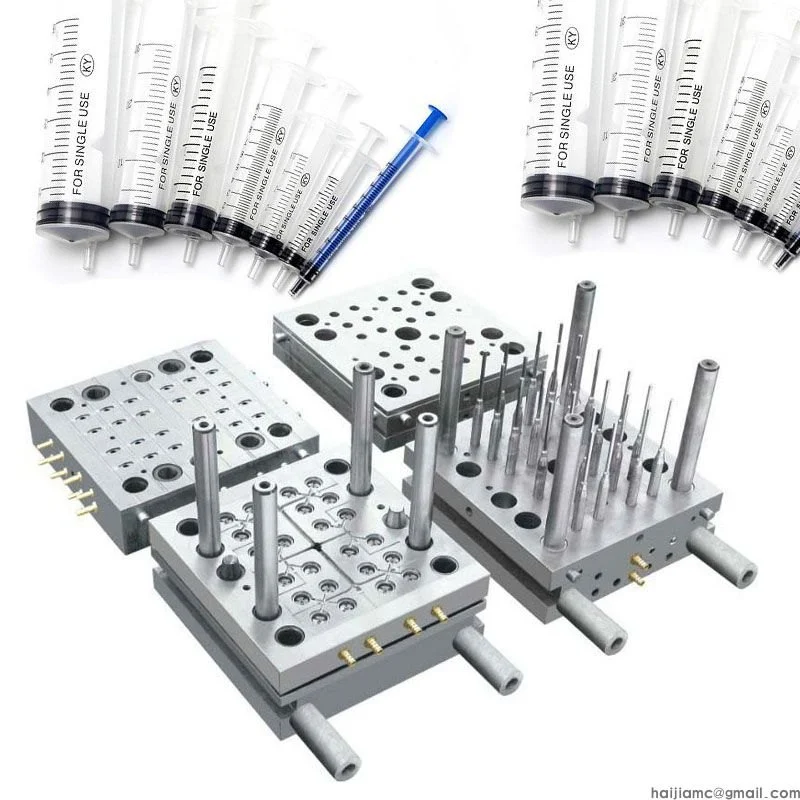
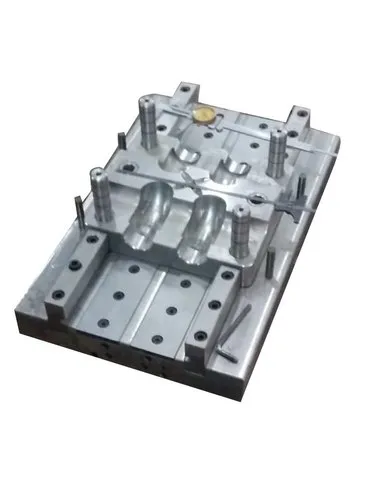
Injection molding is a widely used manufacturing process for producing precise, high-volume parts from various materials. In the automotive industry, it has become an essential technique for producing lightweight components, contributing to vehicle performance, fuel efficiency, and sustainability. As automakers strive to meet stricter fuel economy and emission standards, reducing the weight of vehicles has become a critical goal. Injection molding allows for the production of lightweight, strong, and durable components that help reduce vehicle weight while maintaining high standards of safety and performance.
1. The Role of Injection Molding in Vehicle Manufacturing
Injection molding plays a crucial role in the automotive industry by enabling the mass production of complex parts with high precision and repeatability. This process involves injecting molten material (usually plastic, but also metals and composites) into a mold under high pressure. The material solidifies within the mold to form a part that is then ejected.
In the context of lightweight vehicles, injection molding allows manufacturers to create parts that are both lightweight and robust. Common applications in the automotive industry include components such as dashboards, bumpers, interior panels, door panels, under-the-hood parts, and many others. The versatility of the process allows for the use of various materials, including lightweight thermoplastics, thermosets, and even composites, which can significantly reduce the overall weight of the vehicle.
2. Benefits of Lightweight Components in Vehicles
The automotive industry is increasingly focused on reducing vehicle weight for several reasons:
- Improved Fuel Efficiency: Lighter vehicles require less energy to move, which directly improves fuel efficiency. This is particularly important in the context of rising fuel costs and regulatory pressure to reduce emissions.
- Better Handling and Performance: Reduced weight allows for improved handling, acceleration, and braking performance. It can also enhance overall vehicle dynamics and stability.
- Lower Carbon Footprint: Lighter vehicles consume less fuel and therefore produce fewer emissions over their lifecycle, contributing to the automotive industry’s efforts to reduce its environmental impact.
- Enhanced Safety: Advanced lightweight materials used in injection molding can be designed for high strength and impact resistance, which is crucial for passenger safety, especially in crash scenarios.
3. Materials Used in Injection Molding for Lightweight Components
The key to achieving lightweight components through injection molding lies in the materials selected. Some of the most common materials include:
- Thermoplastic Materials: Plastics such as polypropylene (PP), polyamide (PA), and polyethylene (PE) are commonly used in vehicle applications. These materials are lightweight, durable, and can be easily molded into complex shapes.
- Carbon Fiber Reinforced Polymers (CFRP): By combining carbon fiber with thermoplastic polymers, CFRP materials offer an excellent combination of low weight and high strength. Injection molding of CFRPs is gaining popularity due to the ability to create parts with high stiffness and impact resistance.
- Glass Fiber Reinforced Polymers (GFRP): Adding glass fibers to plastic materials increases their strength and stiffness while maintaining a relatively low weight. These materials are often used for structural components.
- Metal Matrix Composites (MMCs): In some applications, lightweight metals such as aluminum can be used in injection molding to create parts that offer high strength, durability, and heat resistance while still being lighter than traditional materials.
4. Design Considerations for Lightweight Injection Molding
Designing lightweight components for injection molding involves several factors:
- Wall Thickness Optimization: Thinner walls reduce the amount of material used, contributing to a lighter part. However, care must be taken to ensure that the part retains its required strength and durability.
- Material Flow: Ensuring that the molten material flows efficiently through the mold cavity is crucial for achieving uniformity and reducing defects, especially when using lightweight materials.
- Part Geometry: Lightweight designs often incorporate hollow structures, ribs, and honeycomb patterns to reduce material usage while maintaining strength.
- Integration of Multiple Functions: One of the advantages of injection molding is the ability to integrate multiple functions into a single part. For example, a part could be designed to combine structural strength with aesthetic qualities, reducing the need for multiple components.
5. Challenges and Innovations in Lightweight Injection Molding
While injection molding offers many advantages in terms of lightweight component production, there are also challenges to overcome:
- Material Selection: The automotive industry requires materials that are not only lightweight but also meet stringent safety, durability, and performance standards. Finding the right material balance is critical.
- Complexity of Molding: As the designs of lightweight components become more complex, the tooling and molding processes become more intricate and expensive. Engineers must ensure that the design is both manufacturable and cost-effective.
- Sustainability: The demand for environmentally friendly materials is increasing, and recycling plays an important role in achieving sustainability. Manufacturers are focusing on using recyclable thermoplastics and developing new composite materials with lower environmental impact.
Innovative techniques are being developed to address these challenges. One such innovation is the use of advanced multi-material injection molding (also known as multi-shot molding), where different materials are injected into the mold in multiple stages to combine their properties. This technique allows manufacturers to use lightweight materials in conjunction with higher-strength materials to optimize performance.
6. Future of Lightweight Injection Molding in Automotive
The future of lightweight injection molding in the automotive industry is promising. Ongoing advancements in material science, molding technologies, and design techniques are pushing the limits of what can be achieved with injection molding. The introduction of additive manufacturing (3D printing) and smart polymers that change properties in response to environmental factors is also paving the way for next-generation vehicle components.
As the push for sustainability and fuel efficiency intensifies, we can expect more vehicles with highly efficient, lightweight components produced via injection molding. The ongoing development of new, advanced materials and the adoption of Industry 4.0 technologies, including automation and artificial intelligence, will further enhance the capabilities of injection molding, making it an even more important process for the automotive industry in the years to come.
7. Conclusion
Injection molding is a critical technology in the automotive industry, enabling the production of lightweight components that reduce vehicle weight, enhance fuel efficiency, and improve performance. By using advanced materials and innovative design techniques, injection molding continues to play a vital role in helping automakers meet the challenges of sustainability and fuel efficiency. As the automotive industry moves toward an increasingly eco-conscious future, the role of injection molding in manufacturing lightweight components will only grow more significant.