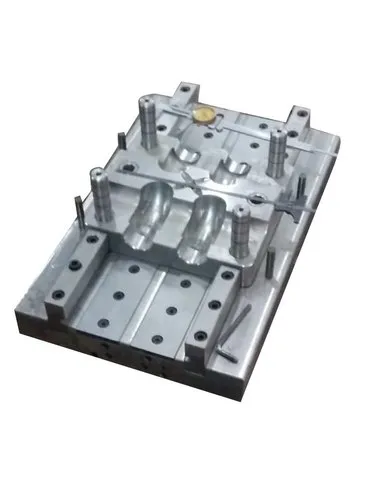
Injection molding is one of the most widely used manufacturing processes for producing plastic parts in high volumes. With the growing emphasis on sustainability and environmental responsibility, the use of recycled polymers in injection molding has become increasingly significant. Recycled polymers offer an eco-friendly alternative to virgin plastics, contributing to circular economy initiatives and reducing plastic waste.
Types of Recycled Polymers Used in Injection Molding
Recycled polymers come in two main forms:
Post-Consumer Recycled (PCR) Plastics
Derived from products used by consumers and collected through recycling programs (e.g., bottles, packaging).Post-Industrial Recycled (PIR) Plastics
Sourced from industrial waste or scrap generated during manufacturing processes.
Common recycled plastics used in injection molding include:
Polyethylene Terephthalate (rPET)
Polypropylene (rPP)
Polyethylene (rPE)
Polystyrene (rPS)
Acrylonitrile Butadiene Styrene (rABS)
Polycarbonate (rPC)
Challenges of Using Recycled Polymers
Quality Variability
Recycled polymers may contain contaminants or inconsistent material properties that affect part quality and performance.Degradation of Properties
Thermal and mechanical degradation can occur during recycling, leading to reduced strength, toughness, and durability.Color Control
Achieving consistent color is more difficult with recycled materials due to the varied input sources.Processing Differences
Recycled materials may require different processing conditions (e.g., temperature, pressure) compared to virgin polymers.
Benefits of Using Recycled Polymers
Environmental Impact
Reduces landfill waste and ocean plastic.
Lowers carbon footprint and energy consumption compared to virgin resin production.
Cost Efficiency
Recycled materials can be more cost-effective, particularly when oil prices are high.
Regulatory and Market Demand
Growing consumer preference and regulatory incentives for sustainable products.
Corporate Sustainability
Supports ESG (Environmental, Social, Governance) goals and enhances brand image.
Best Practices for Injection Molding with Recycled Polymers
Material Selection and Testing: Ensure compatibility and performance through rigorous material characterization.
Blending: Use a blend of virgin and recycled polymers to balance cost and performance.
Additives: Use stabilizers, colorants, or impact modifiers to enhance material properties.
Equipment Maintenance: Regular cleaning and maintenance to avoid contamination.
Process Optimization: Adjust molding parameters to suit recycled material behavior (e.g., melt temperature, cooling time).
Applications of Recycled Polymers in Injection Molding
Automotive parts (non-critical components)
Packaging (caps, containers)
Consumer goods (toys, appliances)
Construction materials (plastic lumber, panels)
Electronics casings
Future Outlook
As technology advances, new methods such as chemical recycling and enhanced sorting technologies are improving the quality and usability of recycled polymers. The adoption of digital tracking and traceability tools also supports material accountability in the supply chain. Continued innovation and collaboration across industries are crucial to overcoming the remaining challenges and scaling up the use of recycled plastics in injection molding.