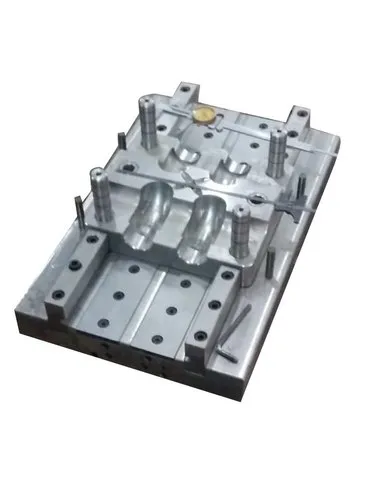
Dies and mould bases are critical components in manufacturing processes such as injection moulding, die casting, and metal stamping. They must consistently produce parts with high precision and repeatability. Over time, however, these components are subject to wear, corrosion, misalignment, and damage due to mechanical and thermal stresses. Proper maintenance and timely repair are essential to ensure their long service life, reduce downtime, and maintain product quality.
1. Importance of Maintenance and Repair
Prolongs Tool Life: Prevents premature wear and extends the usable life of dies and moulds.
Reduces Downtime: Regular upkeep helps avoid unexpected breakdowns during production.
Maintains Product Quality: Ensures dimensional accuracy and surface finish remain consistent.
Cost Efficiency: Prevents expensive repairs or replacements by addressing issues early.
Safety: Reduces the risk of equipment failure and workplace accidents.
2. Types of Maintenance
A. Preventive Maintenance
Scheduled and routine maintenance performed to keep the mould or die in optimal condition.
Includes:
Cleaning and lubrication
Inspection of wear-prone areas
Checking for alignment and fit
Monitoring cooling and ejection systems
B. Predictive Maintenance
Based on monitoring the actual condition of the equipment using sensors or visual inspection to predict failures.
Includes:
Thermal imaging
Vibration analysis
Wear monitoring using sensors
C. Corrective Maintenance (Repairs)
Performed after a problem is identified or a failure has occurred.
Includes:
Repairing cracked or chipped components
Polishing worn surfaces
Replacing ejector pins or guide pillars
Rebuilding or refitting damaged parts
3. Common Issues in Dies and Mould Bases
| Problem | Cause | Repair Strategy |
|---|---|---|
| Wear and abrasion | Continuous friction during production | Polishing, hard coating, or replacing components |
| Corrosion | Inadequate drying, cooling water leaks | Cleaning, corrosion-resistant coatings |
| Cracks | Thermal shock, overloading | Welding or replacing the cracked section |
| Misalignment | Improper installation or wear | Re-machining or aligning guide components |
| Burrs or Flash | Worn parting lines | Refitting or polishing the mould faces |