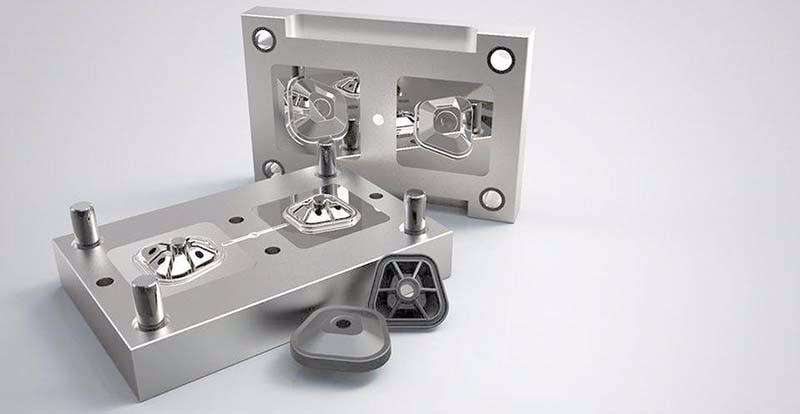
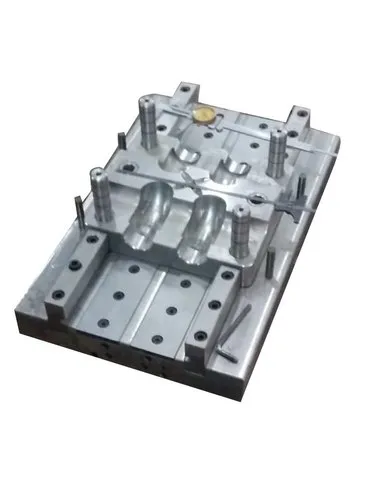
Material shrinkage in injection molding is a critical phenomenon that affects the dimensional accuracy, quality, and overall performance of molded parts. Shrinkage occurs as the plastic material cools and solidifies inside the mold, leading to a reduction in part size. This shrinkage can vary depending on the type of plastic used, the molding conditions, and the design of the mold. Effectively managing shrinkage is essential for producing high-quality, dimensionally stable parts that meet design specifications.
Understanding Material Shrinkage:
What is Material Shrinkage? Material shrinkage in injection molding refers to the decrease in volume of the plastic material as it transitions from a molten state to a solid state. This process is influenced by the cooling rate, the material’s thermal properties, and the interaction between the material and the mold cavity.
Types of Shrinkage:
Isotropic Shrinkage: This occurs uniformly in all directions and is the most common type of shrinkage observed in injection molding. It typically happens due to the cooling and solidification process.
Anisotropic Shrinkage: This type of shrinkage occurs in one specific direction, often due to factors like part design, material flow patterns, or the cooling rate in certain areas of the mold.
Factors Affecting Shrinkage:
Material Type: Different plastic resins have different shrinkage characteristics. For instance, crystalline materials (like polyethylene) tend to have higher shrinkage compared to amorphous materials (like polystyrene).
Mold Temperature: The temperature of the mold affects how quickly the material cools. A cooler mold can cause faster solidification and potentially greater shrinkage.
Injection Pressure: Higher injection pressure can reduce shrinkage by promoting better packing of the material in the mold cavity.
Cooling Rate: Faster cooling rates can lead to higher shrinkage due to uneven cooling. Slow cooling allows the material to contract more evenly.
Part Design: Thin-walled parts tend to shrink more quickly compared to thicker-walled parts, which can lead to warping or uneven shrinkage if not designed properly.
How to Manage Shrinkage in Injection Molding:
Material Selection: Choose the appropriate material for the application. Understanding the shrinkage rate of the material is crucial. Manufacturers can consult material datasheets that provide detailed shrinkage rates for various materials and adjust molding parameters accordingly.
Optimize Mold Design:
Uniform Wall Thickness: Design parts with uniform wall thickness to promote even cooling and minimize the risk of anisotropic shrinkage.
Ribs and Gussets: Proper use of ribs and gussets helps in maintaining the part’s structural integrity without causing uneven shrinkage.
Gate Location: The gate position impacts how the material flows into the mold, and improper gate placement can lead to uneven cooling and higher shrinkage in some areas.
Mold Venting: Ensuring proper mold venting can reduce the risk of air pockets and prevent shrinkage caused by trapped gases.
Control Cooling and Injection Parameters:
Cooling Time and Temperature: Fine-tuning the cooling cycle is essential to control shrinkage. A cooling system with balanced temperature zones helps achieve uniform solidification of the part.
Injection Speed and Pressure: Adjusting the injection speed and pressure can control how well the material fills the mold cavity. Insufficient pressure or speed may result in incomplete filling and inconsistent shrinkage.
Packing Pressure: Implementing appropriate packing pressure during the cooling phase helps pack the material tightly into the mold, compensating for shrinkage and preventing voids.
Use of Mold Inserts and Core Pins:
Mold inserts and core pins can help manage shrinkage by maintaining a precise cavity size and allowing for controlled shrinkage in specific areas of the part. These inserts can be designed to accommodate the material’s expected shrinkage, reducing post-molding warping or distortion.
Compensate for Shrinkage in Mold Design:
Overcompensating for Shrinkage: One of the most effective strategies for managing shrinkage is to design the mold with slightly oversized cavities to account for the expected shrinkage of the material during cooling. This approach ensures that the final part dimensions are within tolerance after shrinkage occurs.
Simulation Software: Modern simulation tools can predict shrinkage and warpage in the part. Using software to model the molding process can help determine the optimal mold design, material choice, and process parameters to minimize shrinkage issues.
Monitor and Adjust Process Parameters:
Regular monitoring of the injection molding process is essential to ensure that the material’s shrinkage behavior is consistently accounted for. Small variations in material batches, mold temperature, or injection speed can lead to unexpected changes in shrinkage. Continual adjustments based on real-time data ensure better part quality and dimensional control.
Conclusion:
Material shrinkage is an unavoidable part of the injection molding process, but with careful management and understanding, it can be minimized to produce high-quality, precise molded parts. By selecting the right material, optimizing mold design, controlling cooling and injection parameters, and using simulation software, manufacturers can significantly reduce the impact of shrinkage. Regular monitoring and adjustment of the molding process will ensure that parts meet the required specifications and performance standards.