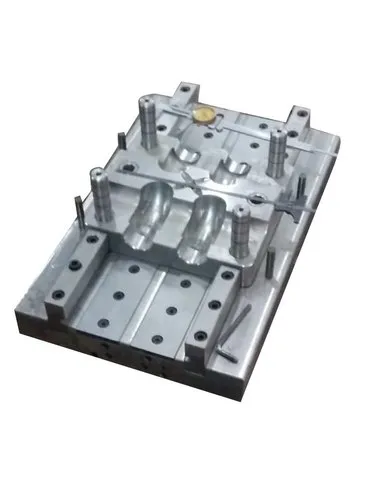
In response to growing environmental concerns and regulatory pressures, the packaging industry is shifting towards more sustainable materials. One of the key developments in this area is the use of Post-Consumer Recycled (PCR) materials in blow moulding processes. PCR materials are derived from plastic products that have completed their intended use and have been collected, sorted, cleaned, and reprocessed into raw materials suitable for manufacturing new items.
What Are PCR Materials?
Post-Consumer Recycled materials come from used plastic items such as bottles, containers, and packaging that consumers discard and are subsequently recycled. These materials are typically reprocessed into resin pellets and used as feedstock in manufacturing new plastic products, including those produced through blow moulding.
Blow Moulding and Its Compatibility with PCR
Blow moulding is a manufacturing process used to create hollow plastic parts by inflating a heated plastic tube (parison) inside a mould. It is widely used in producing bottles, containers, and tanks. The most common types of blow moulding include extrusion blow moulding (EBM), injection blow moulding (IBM), and stretch blow moulding (SBM).
PCR materials, particularly PCR-PE (Polyethylene) and PCR-PET (Polyethylene Terephthalate), are increasingly used in blow moulding applications. They can often be blended with virgin resin to achieve desired performance and appearance characteristics.
Benefits of Using PCR in Blow Moulding
Environmental Impact Reduction
Reduces plastic waste in landfills and oceans
Lowers carbon footprint and energy use compared to virgin plastic production
Supports a circular economy by reintroducing materials into the supply chain
Regulatory Compliance
Meets growing regulatory requirements and extended producer responsibility (EPR) schemes
Aligns with corporate sustainability goals and green packaging mandates
Consumer Appeal
Enhances brand image by demonstrating environmental responsibility
Attracts environmentally conscious consumers
Challenges in Using PCR for Blow Moulding
Material Consistency and Quality
Variability in PCR feedstock can lead to inconsistencies in colour, clarity, and mechanical properties
Higher risk of contamination compared to virgin resin
Process Optimization
Adjustments in processing parameters may be needed to accommodate PCR materials (e.g., temperature, pressure, mould design)
Potential impact on cycle times and production efficiency
Regulatory and Food Contact Compliance
Not all PCR materials are approved for food-grade applications
Requires strict sourcing and certification to meet FDA or EFSA standards
Strategies to Overcome Challenges
Blending PCR with Virgin Resins: Improves performance and consistency while still reducing virgin plastic use
Advanced Sorting and Cleaning: Enhances the quality of PCR feedstock
Use of Additives and Compatibilizers: Enhances processability and end-product performance
Close Collaboration with Suppliers: Ensures quality assurance and compliance with regulatory standards
Applications in Industry
Personal Care and Household Products: Shampoo bottles, detergent containers
Food and Beverage Packaging: Non-contact layer bottles, secondary packaging
Industrial Packaging: Lubricant and chemical containers
Conclusion
The integration of Post-Consumer Recycled materials in blow moulding is a vital step towards sustainable plastic manufacturing. While there are challenges to overcome, advancements in recycling technologies, material science, and processing methods are making PCR a viable and valuable option. As consumer and regulatory demand for sustainability grows, the adoption of PCR in blow moulding will likely continue to expand, contributing significantly to a circular plastics economy.