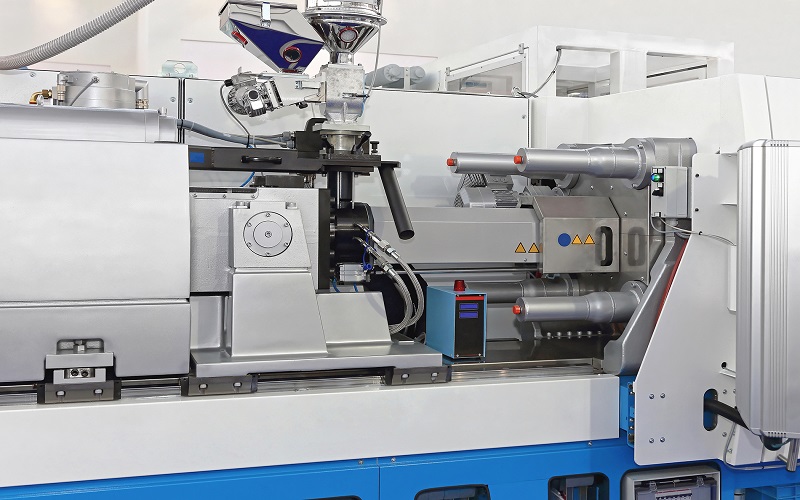
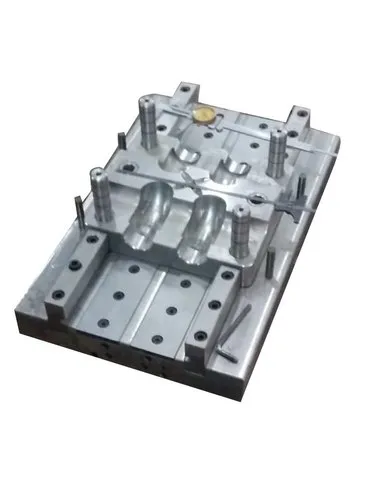
Polyvinyl Chloride (PVC) is one of the most versatile thermoplastics used in modern manufacturing. From pipes and cables to footwear and medical devices, PVC’s adaptability comes from its ability to be compounded — meaning its base resin can be tailored with various additives to meet specific application and processing needs.
In molding applications, whether it’s injection molding, blow molding, or extrusion, customizing PVC through compounding is key to achieving the desired mechanical, thermal, electrical, and aesthetic properties.
🔍 What is PVC Compounding?
PVC compounding is the process of blending the base PVC resin with various additives and modifiers to enhance or alter its characteristics. The result is a PVC compound, also called a formulation, which can be rigid or flexible depending on the end-use.
This customized blend ensures the compound is suitable for the specific molding process and application environment.
🧪 Common Additives in PVC Compounds
Plasticizers
Used to make flexible PVC (e.g., for hoses, films, and cables)
Common types: Phthalates, adipates, and citrates
Stabilizers
Protect PVC from thermal degradation during processing
Types: Lead-based (being phased out), calcium-zinc, and tin-based
Fillers
Improve mechanical properties and reduce cost
Common fillers: Calcium carbonate, talc, clay
Impact Modifiers
Enhance toughness, especially in cold environments
Used in rigid PVC for outdoor applications
Lubricants
Aid in processing by reducing friction in molding machinery
Pigments and Dyes
Provide desired color and appearance
UV Stabilizers
Prevent degradation from sunlight in outdoor applications
Flame Retardants
Used in wire/cable and construction applications for fire safety
🏭 Customizing PVC for Different Molding Needs
✅ Injection Molding
Applications: Automotive parts, medical devices, containers
PVC Requirements: Low melt viscosity, good thermal stability, quick cycle times
Compounding Focus: Lubricants, heat stabilizers, impact modifiers
✅ Extrusion Molding
Applications: Pipes, window profiles, wire coatings
PVC Requirements: Consistent melt flow, durability, weather resistance
Compounding Focus: Fillers, UV stabilizers, processing aids
✅ Blow Molding
Applications: Bottles, hollow containers
PVC Requirements: Good melt strength, impact resistance
Compounding Focus: Plasticizers (if flexible), heat stabilizers
✅ Thermoforming
Applications: Packaging trays, blister packs
PVC Requirements: Sheet clarity, easy deformation under heat
Compounding Focus: Clarity enhancers, antistatic agents
🎯 Benefits of Custom PVC Compounding
Tailored Properties: Exact match for required strength, flexibility, clarity, etc.
Process Efficiency: Optimized for specific molding equipment and conditions
Cost Optimization: Use of fillers and processing aids to reduce material cost
Regulatory Compliance: Meets specific industry standards (e.g., RoHS, REACH, FDA)
🔄 Evolving Trends in PVC Compounding
Green Alternatives: Bio-based plasticizers and lead-free stabilizers
Recyclability: Formulations designed for easier recycling
Smart Additives: Anti-microbial, anti-fog, or conductive properties
Customization at Scale: Modular compounding for rapid prototyping and on-demand production
📌 Conclusion
PVC compounding is the bridge between a generic thermoplastic resin and a highly functional, application-ready material. Whether you’re molding PVC into complex automotive parts or simple consumer goods, the right compound formulation ensures top performance, compliance, and cost-efficiency.
By partnering with experienced compounders and understanding the specific demands of your molding process, you can unlock the full potential of PVC for your product development needs.