Introduction Polyvinyl chloride (PVC) molding plays a critical role in the design and implementation of electrical conduit and wiring systems. Widely used in both residential and commercial installations, PVC offers a cost-effective, durable, and safe solution for managing electrical wiring. This material is favored for its flexibility, corrosion resistance, and ease of installation, making it an ideal choice for protecting wiring systems in various environments.
What is PVC Molding?
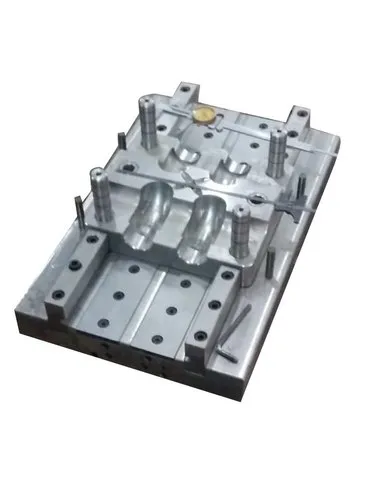
PVC molding refers to the process of shaping PVC material into specific forms or profiles that are used in electrical conduit and wiring systems. These molds are designed to create protective coverings, junction boxes, fittings, and other components that safeguard electrical wires and cables from external damage, moisture, and environmental factors.
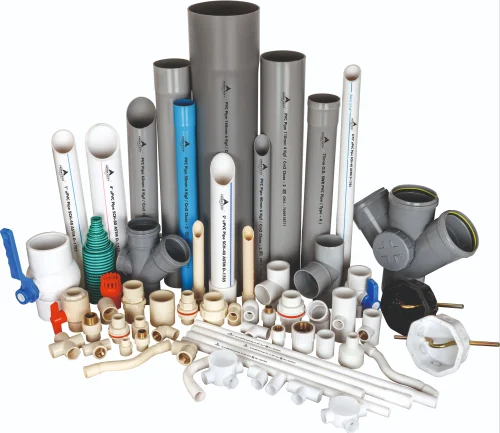
PVC molding is used to produce a variety of parts, including:
Conduits: Tubes or channels that house electrical wires.
Fittings: Pieces used to connect different sections of conduit, such as elbows, tees, and connectors.
Junction Boxes: Enclosures where electrical connections are made and wires are joined.
Covers and Plates: Protective covers for junction boxes and outlets.
Benefits of PVC Molding for Electrical Conduit and Wiring Systems
Durability and Strength PVC is highly durable and resistant to impacts, making it an excellent choice for electrical systems that may be exposed to mechanical stress. PVC molding creates a strong barrier that can protect wiring from physical damage in both indoor and outdoor applications.
Corrosion Resistance Unlike metal conduits, PVC is not susceptible to rust or corrosion when exposed to moisture or chemicals. This makes it ideal for use in environments with high humidity or corrosive substances, such as basements, outdoor areas, and industrial settings.
Lightweight and Easy to Handle PVC conduit is much lighter than metal alternatives, which makes it easier to install and manage during construction or maintenance. This reduces labor costs and simplifies handling.
Electrical Insulation PVC provides excellent electrical insulation properties. The material does not conduct electricity, ensuring the safety of the electrical wiring and reducing the risk of short circuits or electrical fires.
Cost-Effective PVC molding is more affordable compared to other materials, such as metal or fiberglass. Its low cost, combined with its longevity and ease of installation, makes it a cost-effective choice for wiring systems.
Flexibility PVC molding can be produced in a wide range of shapes and sizes, allowing it to fit a variety of electrical systems. It can also be easily bent to navigate around obstacles, making it ideal for both simple and complex wiring layouts.
Applications of PVC Molding in Electrical Systems
Residential Wiring PVC conduit is commonly used in residential electrical installations, including circuit wiring for homes, apartments, and condos. It protects the wiring from damage caused by impact or environmental factors like water.
Commercial Installations In commercial buildings, PVC electrical conduit is often used for both internal and external wiring systems. The material is versatile enough to be used for both exposed and concealed wiring, offering long-lasting protection.
Industrial Settings PVC molding is essential in industrial environments where electrical systems are exposed to harsh conditions such as chemicals, moisture, and extreme temperatures. The corrosion-resistant nature of PVC ensures that the wiring remains protected for extended periods.
Underground Systems PVC conduits are also used in underground wiring systems because they are resistant to corrosion and provide excellent protection against soil and moisture. They are commonly used to protect cables running underground in utilities, communication networks, and data systems.
Types of PVC Conduit and Molding
Rigid PVC Conduit Rigid PVC conduit is a strong, durable option used for both indoor and outdoor electrical wiring systems. It is commonly used in locations where there is a need for a high degree of protection, such as underground or exposed installations.
Flexible PVC Conduit Flexible PVC conduit is used in applications where some degree of movement or flexibility is required. It is often used to protect electrical wires in environments where there is a need to navigate around obstacles or in places where wiring may experience vibration.
Schedule 40 and Schedule 80 PVC Conduit PVC conduits are available in different wall thicknesses, known as schedules. Schedule 40 PVC is lighter and suitable for indoor applications, while Schedule 80 PVC has a thicker wall and is often used for more demanding applications, including outdoor and industrial settings.
Electrical PVC Fittings PVC molding is also used to create fittings, such as connectors, elbows, couplings, and junction boxes, that connect different sections of conduit and help to route electrical wiring. These fittings ensure that the system remains safe and properly connected.
Installation of PVC Molding in Electrical Wiring Systems
Cutting and Fitting PVC conduits are typically cut to length using a pipe cutter or saw. Fittings and connectors are used to join sections of conduit, and the system is designed to create a continuous path for the electrical wiring.
Securing and Mounting Once the conduit is cut and fitted into place, it is typically secured to walls, ceilings, or other surfaces using brackets, clamps, or straps. This helps prevent movement or sagging, ensuring that the wiring system remains intact and secure.
Sealing and Protection In areas where moisture may be present, PVC conduits are often sealed with adhesive or solvent to ensure that water cannot enter and damage the wiring. In addition, protective covers and junction boxes are installed to further safeguard the system.
Compliance with Standards
PVC molding used in electrical systems must meet specific safety standards and regulations, including:
National Electrical Code (NEC): The NEC provides guidelines for electrical installations in the United States, including the use of PVC conduit. It specifies the requirements for conduit types, fittings, and installation methods to ensure safety.
UL Listing: Conduit and fittings made from PVC must be UL (Underwriters Laboratories) listed, indicating that they meet safety standards for electrical systems.
Conclusion
PVC molding plays a vital role in electrical conduit and wiring systems, offering a cost-effective, durable, and safe solution for protecting electrical wiring. Its versatility, ease of installation, and excellent resistance to corrosion, moisture, and physical damage make it a preferred choice for a wide range of applications, from residential to industrial installations. With proper installation and compliance with safety standards, PVC molding ensures the longevity and safety of electrical systems, making it an essential component in modern electrical infrastructure.