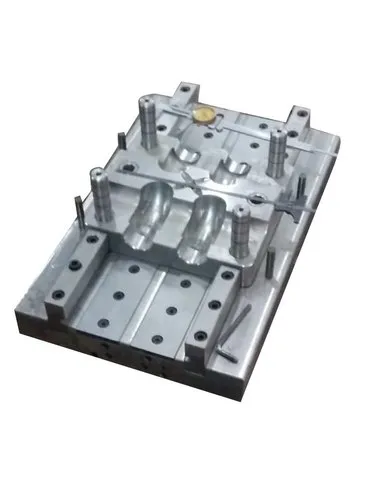
Polyvinyl chloride (PVC) molding has become an increasingly popular material in the furniture and home décor industry due to its versatility, affordability, and durability. PVC molding is used to create intricate designs, enhance aesthetic appeal, and improve the functionality of various furniture pieces and home décor items. Here’s an overview of how PVC molding is used in these applications:
1. What is PVC Molding?
PVC molding is a type of plastic molding that is made from polyvinyl chloride, a synthetic plastic polymer. It is molded into various shapes and sizes to create decorative, protective, and functional elements for furniture and home décor. The material can be manufactured in different textures and finishes, offering a wide range of design possibilities.
2. Benefits of PVC Molding in Furniture and Home Decor
Durability: PVC molding is highly durable and resistant to moisture, rot, and wear, making it ideal for use in both indoor and outdoor environments. It can withstand temperature fluctuations without warping or fading.
Affordability: Compared to other materials like wood, metal, or stone, PVC is much more affordable. This makes it an attractive option for homeowners and designers looking to reduce costs without compromising on quality or appearance.
Low Maintenance: PVC is easy to clean and maintain. Unlike wood, it doesn’t require painting, staining, or sealing to retain its appearance. A simple wipe with a damp cloth is often sufficient to keep it looking new.
Lightweight: PVC is significantly lighter than materials such as wood or stone. This makes it easier to handle, install, and transport, reducing labor and shipping costs.
Variety of Designs: PVC molding can be produced in various styles, from traditional to contemporary. It can be shaped into intricate patterns or simple, sleek designs, making it versatile for a wide range of furniture and home décor items.
Customization: PVC can be easily customized with different finishes, including matte, gloss, and wood-like textures, offering flexibility in design to match any interior style.
3. Uses of PVC Molding in Furniture
Cabinet Trims and Accents: PVC molding is commonly used to create trim work around cabinets, adding a refined look. It can be used as crown molding, baseboards, or as decorative edging on cabinet doors and drawers.
Furniture Legs and Bases: PVC is often used to create decorative furniture legs and bases for tables, chairs, sofas, and cabinets. These moldings provide both support and style, offering sleek, modern designs or more ornate, traditional patterns.
Frames for Mirrors and Pictures: PVC molding is ideal for creating decorative frames for mirrors, picture frames, and wall art. It can be designed to resemble more expensive materials like wood, metal, or plaster, without the associated cost and weight.
Wall Paneling: PVC moldings are often used to create wall panels or wainscoting in living rooms, dining rooms, or hallways. The panels provide an elegant and cohesive look while protecting the walls from damage.
4. Uses of PVC Molding in Home Decor
Door and Window Casings: PVC molding is commonly used to frame doors and windows, providing a clean and finished look to any room. It can be crafted into various styles to match the overall décor of the space.
Crown Molding: PVC is a popular choice for crown molding because of its flexibility and ability to create smooth, clean lines. It adds an elegant touch to the top of walls, enhancing the height and proportions of a room.
Baseboards and Skirting: PVC baseboards are a practical and aesthetic choice for covering the joint between the wall and the floor. They are resistant to moisture, making them ideal for bathrooms, kitchens, and other high-humidity areas.
Decorative Accents: PVC molding is also used for decorative accents, such as wall paneling, columns, and ceiling medallions. These elements can enhance the visual appeal of a room by adding texture, depth, and dimension.
5. Installation of PVC Molding
One of the main advantages of PVC molding is that it is relatively easy to install. Many PVC moldings come with pre-finished surfaces, eliminating the need for painting or sealing. The moldings can be attached to surfaces with adhesives, nails, or screws, depending on the application.
Preparation: Proper measurements must be taken before cutting and installing PVC moldings to ensure a precise fit.
Cutting: PVC molding can be easily cut with a standard saw or miter saw, making it simple to customize to the desired length or shape.
Adhesive: A high-strength adhesive or construction adhesive is often used to secure PVC moldings to walls or furniture.
6. PVC Molding in Sustainability
Though PVC is a plastic product, it can be made with eco-friendly processes and is recyclable. Some manufacturers use recycled PVC material in production, contributing to reducing environmental impact. Additionally, its long-lasting durability and low maintenance reduce the need for replacements, further supporting sustainability.
7. Conclusion
PVC molding offers a wide array of benefits for furniture and home décor applications. Its affordability, durability, and versatility make it an excellent material choice for both professional designers and DIY enthusiasts. Whether enhancing furniture with intricate details or adding elegant touches to interior spaces, PVC molding is a practical and stylish option that fits seamlessly into any design.