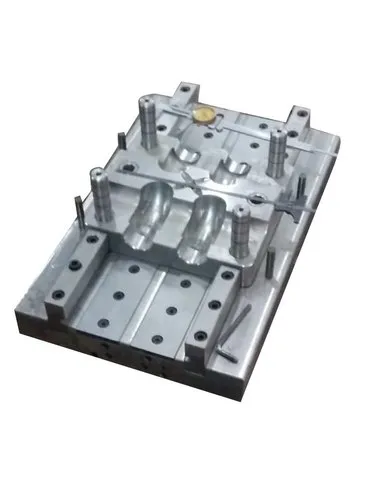
Blow moulding is a widely used manufacturing process for creating hollow plastic products such as bottles, containers, and automotive parts. Given the high demand for precision and durability, maintaining strict quality control (QC) throughout the blow moulding process is crucial. Effective QC ensures that the final products meet required specifications, regulatory standards, and customer expectations.
Key Quality Parameters in Blow Moulding
Wall Thickness Uniformity
Importance: Ensures structural integrity and even weight distribution.
Control Method: Use of thickness gauges and sensors; process adjustments like parison programming and mold design.
Dimensional Accuracy
Importance: Critical for product fit, function, and compatibility with closures or components.
Control Method: Dimensional inspection using calipers, micrometers, and coordinate measuring machines (CMMs).
Surface Finish
Importance: Impacts appearance, usability, and branding (especially for consumer products).
Control Method: Visual inspection and gloss meters; surface defect analysis for imperfections like sink marks or flash.
Mechanical Strength
Importance: Determines product durability under stress or pressure.
Control Method: Drop tests, compression tests, and pressure testing (especially for containers).
Leakage/Seal Integrity
Importance: Especially critical for bottles, containers, and chemical packaging.
Control Method: Vacuum testing, air pressure testing, and bubble leak tests.
Weight Consistency
Importance: Ensures material efficiency and compliance with product specifications.
Control Method: Regular weighing of samples using precision scales.
Common Defects in Blow Moulded Products and Their Causes
| Defect | Description | Possible Causes |
|---|---|---|
| Flash | Excess material at parting lines | High melt temperature, excessive clamping force |
| Thin Walls | Uneven or weak wall sections | Improper parison control, mold alignment issues |
| Burn Marks | Discoloration or scorched areas | Overheating, poor venting |
| Bubbles | Air trapped inside walls | Moisture in material, poor molding parameters |
| Warping | Distorted shape | Uneven cooling, incorrect mold temperature |