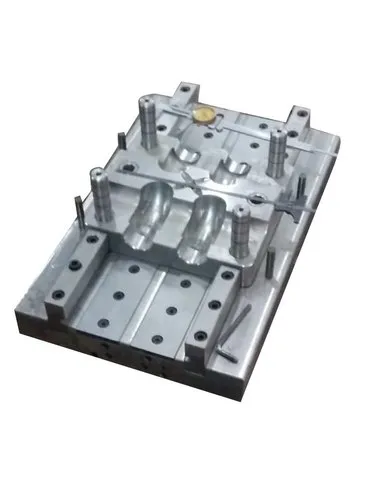
Automotive molding is a crucial process in the automotive industry, where molds are used to create high-precision parts for vehicles. Over time, however, these molds experience wear and tear due to constant use, which can significantly reduce their lifespan and increase maintenance costs. Reducing mold wear and extending tool life are therefore essential for improving production efficiency, minimizing downtime, and enhancing the quality of the finished products. Here are several strategies and best practices to achieve these objectives:
1. Material Selection for Molds
The choice of material for the mold itself plays a significant role in its durability. High-quality, wear-resistant materials like tool steel alloys, tungsten carbide, and high-carbon steels are commonly used in automotive molding due to their strength and resistance to wear. Advanced materials with better heat resistance, corrosion resistance, and wear properties can significantly prolong mold life. Materials like nitrided steel, which is treated to form a hard surface layer, can improve performance in high-stress conditions.
2. Surface Treatment and Coatings
Applying surface treatments or coatings to the mold surface can significantly reduce wear. Common methods include:
Nitride Coating: This process involves diffusing nitrogen into the mold surface, creating a hard and wear-resistant layer that improves resistance to abrasive wear.
Chromium Plating: A layer of chromium can be electroplated onto the mold surface to reduce friction and protect against corrosion and wear.
PVD (Physical Vapor Deposition) Coatings: These coatings provide a very hard, thin layer of material on the mold’s surface that helps reduce wear and extends its life.
3. Regular Mold Maintenance
Routine inspection and maintenance of molds are essential to ensure their optimal performance. Regular checks for cracks, wear patterns, and alignment issues can help prevent premature tool failure. Key maintenance tasks include:
Cleaning: Removing built-up contaminants, grease, and residues from the mold surface can reduce the chances of abrasion and poor mold quality.
Lubrication: Proper lubrication of moving parts in molds can reduce friction and wear. Special anti-wear lubricants are designed for molds to ensure smooth operation.
Inspection: Regularly inspecting molds for signs of corrosion, cracks, or wear can prevent sudden breakdowns and facilitate early repairs, saving costs in the long term.
4. Cooling System Optimization
Molds in automotive manufacturing often have intricate cooling systems to regulate temperature during the molding process. An improperly designed or poorly maintained cooling system can lead to uneven cooling, increased cycle times, and premature mold wear. Optimizing the cooling system by ensuring uniform temperature distribution can extend mold life. Key considerations include:
Use of Temperature Control Units (TCUs): TCUs help regulate the mold temperature during production, preventing hotspots and ensuring that the mold doesn’t undergo thermal stress.
Optimized Cooling Channels: Properly designed and regularly cleaned cooling channels can ensure that heat is removed efficiently from the mold, preventing deformation and extending tool life.
5. Process Control and Monitoring
Advanced process control systems can be used to monitor key parameters during molding, including temperature, pressure, and injection speed. By maintaining consistent process conditions, mold wear due to excessive stress, temperature fluctuation, or irregular material flow can be minimized. Integrating real-time monitoring systems allows manufacturers to:
Detect irregularities early and adjust the molding parameters to avoid overloading the tool.
Improve cycle times and part quality by ensuring stable operating conditions.
6. Optimizing Material Flow and Injection Speed
Inconsistent material flow or rapid injection speeds can cause excessive wear on molds. Adjusting the material flow rate and injection speed according to the part’s geometry and mold characteristics can help reduce stresses on the mold. Proper filling techniques and the use of advanced injection molding machines with precise control systems are critical for minimizing mold wear.
7. Reducing Part Complexity and Designing for Mold Longevity
Designing automotive parts with mold longevity in mind is key to reducing wear. Parts that have intricate details or undercuts can increase the wear and tear on the mold. Simplifying part geometry, minimizing the number of deep recesses, and avoiding unnecessary sharp corners can reduce mold stress and extend tool life. Additionally, designing the mold to have easily replaceable components like inserts or cores can help minimize the need for full mold replacements.
8. Use of Advanced Monitoring and Sensors
Integrating sensors in the mold and injection system to monitor real-time conditions such as temperature, pressure, and mechanical stress can help detect issues early on. By having a proactive approach, manufacturers can adjust the process before wear and tear becomes severe. Predictive maintenance tools that analyze sensor data can provide early warnings for necessary repairs or adjustments, which can extend the mold’s life.
9. Employee Training and Operator Expertise
Skilled operators who understand the intricacies of the molding process are crucial for maximizing mold life. Training employees on the correct mold handling, maintenance procedures, and troubleshooting techniques can reduce human error and ensure that the molds are used properly. Operators should also be trained in identifying signs of wear early on to take corrective action before significant damage occurs.
10. Use of Low-Wear Materials
When designing the mold, using low-wear materials for the mold inserts or components that come into direct contact with the injected material can help reduce wear. For example, high-quality alloys like stainless steel or hardened steel for mold inserts, combined with advanced coatings, can enhance mold life by reducing the friction between the mold and the part being produced.
Conclusion
By employing a combination of advanced materials, surface treatments, regular maintenance, process optimization, and operator expertise, automotive manufacturers can significantly reduce mold wear and extend the life of their molding tools. In doing so, they can improve productivity, reduce costs, and ensure high-quality production of automotive parts. As molding technologies continue to evolve, integrating advanced monitoring and predictive maintenance systems will further enhance the longevity and performance of automotive molds.