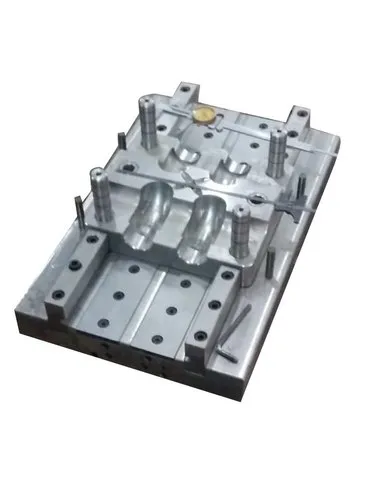
In the manufacturing of plastic houseware products—such as containers, kitchenware, storage bins, and household accessories—moulds play a critical role in ensuring quality, consistency, and efficiency. Over time, these moulds may experience wear and tear, damage, or degradation due to continuous use, high injection pressures, thermal stress, or improper handling. Rather than investing in new moulds, which can be costly and time-consuming to produce, refurbishment and repair offer a cost-effective and sustainable alternative.
Why Refurbish or Repair Moulds?
Cost Savings:
Repairing or refurbishing a mould is significantly cheaper than manufacturing a new one. This helps in reducing overall production costs.Extended Mould Life:
Timely refurbishment restores the mould to near-original condition, thereby extending its operational life and maintaining product quality.Reduced Downtime:
Repairing a mould is often faster than replacing it, minimizing production downtime and maintaining continuity in manufacturing.Sustainability:
Reusing and refurbishing moulds supports waste reduction and promotes environmental responsibility.
Common Types of Damage in Houseware Moulds
Cracks or fractures due to stress or improper ejection
Surface wear from abrasive materials or repeated usage
Corrosion or rust from moisture or chemical exposure
Deformed or broken inserts and cores
Flash issues caused by worn parting lines
Misalignment due to worn guide pins or bushings
Refurbishment and Repair Process
Inspection and Assessment:
Detailed inspection using tools like CMM (Coordinate Measuring Machines), non-destructive testing (NDT), or visual checks to identify damage or wear.Disassembly:
Carefully disassembling the mould to access affected components.Cleaning:
Removing plastic residues, rust, or contaminants from the mould surface.Repair Methods:
Welding or Laser Cladding: Filling cracks or worn areas with compatible metal.
Polishing and Re-texturing: Restoring surface finish to match the original texture.
Machining or Grinding: Re-establishing dimensions and tolerances.
Component Replacement: Replacing worn-out inserts, ejector pins, springs, or guide components.
Heat Treatment (if needed):
Re-hardening treated areas to restore strength and durability.Reassembly and Testing:
The mould is reassembled and subjected to trial runs or simulation tests to ensure it meets quality and performance standards.
Best Practices for Maintaining Mould Health
Regular preventive maintenance
Scheduled inspections after production cycles
Proper storage in a controlled environment
Use of mould protectants and anti-rust sprays
Training operators to handle and clean moulds properly
Conclusion
Refurbishment and repair of damaged houseware moulds are essential practices that help manufacturers maintain production efficiency, reduce costs, and support sustainability. With proper maintenance and timely intervention, refurbished moulds can deliver the same performance as new ones, ensuring the continued production of high-quality houseware products.