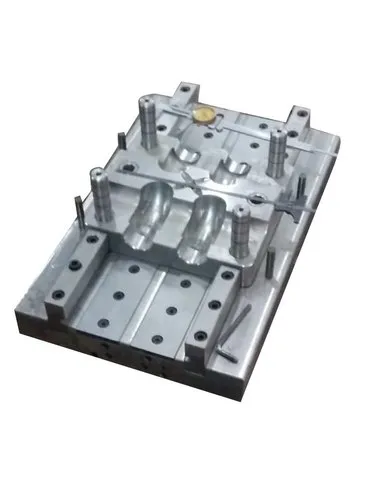
Closure equipment, such as capping machines and sealing systems, play a critical role in manufacturing lines—particularly in the food, beverage, pharmaceutical, and consumer goods industries. Downtime or malfunctions can result in costly production halts, product spoilage, or safety issues. Traditional maintenance strategies—like reactive or preventive maintenance—often fall short in optimizing machine uptime. This is where Artificial Intelligence (AI) steps in, revolutionizing maintenance through predictive analytics.
1. Understanding Predictive Maintenance
Predictive maintenance (PdM) involves monitoring the real-time condition and performance of equipment to predict potential failures before they occur. It uses data from sensors, historical maintenance logs, and operational parameters to identify patterns that precede breakdowns.
2. How AI Enhances Predictive Maintenance
AI brings advanced analytical and decision-making capabilities to predictive maintenance. Key technologies include:
Machine Learning (ML): Algorithms analyze historical and real-time data to detect anomalies and forecast failures.
Computer Vision: Used in visual inspection of closure systems to identify wear, misalignment, or damage.
Natural Language Processing (NLP): Helps interpret technician reports and unstructured logs for insights.
IoT Integration: AI connects with IoT devices to collect high-frequency sensor data for more accurate predictions.
3. Application in Closure Equipment Maintenance
AI-driven predictive maintenance can be applied in the following ways:
Monitoring Torque and Pressure: Sensors on capping machines can track torque values and sealing pressure. AI analyzes variations to predict when recalibration or part replacement is needed.
Detecting Wear in Moving Parts: ML models can forecast degradation of gears, motors, and sealing heads based on usage patterns and temperature readings.
Analyzing Vibration and Acoustic Data: AI can distinguish normal operational sounds from signs of mechanical issues like bearing failures or misalignment.
Identifying Quality Degradation: Computer vision systems can detect incomplete seals or faulty caps in real-time, preventing defective products from reaching consumers.
Predicting Consumables Life: AI can estimate the remaining useful life (RUL) of consumables such as seals, liners, or gaskets used in closure equipment.
4. Benefits of AI-Driven Predictive Maintenance
Reduced Downtime: Predict issues before failure, allowing scheduled interventions.
Lower Maintenance Costs: Minimize unnecessary preventive maintenance and avoid emergency repairs.
Increased Equipment Lifespan: Early detection of issues reduces wear and tear from unresolved problems.
Improved Product Quality: Maintains sealing consistency, reducing leakage or contamination.
Data-Driven Decision Making: Enables proactive maintenance planning and inventory management.
5. Challenges and Considerations
Data Quality and Quantity: AI models require high-quality historical data to train effectively.
Integration Complexity: Retrofitting legacy closure equipment with sensors and connectivity can be technically challenging.
Cybersecurity Risks: Increased connectivity demands robust security measures.
Skill Requirements: Maintenance teams need training to interpret AI outputs and act accordingly.
6. Future Outlook
As AI technologies continue to evolve, their role in predictive maintenance of closure equipment will expand. With developments in edge computing, AI can run predictive models directly on-site for faster decision-making. Additionally, the convergence of AI with digital twins—virtual replicas of equipment—will enable real-time simulations and even more accurate predictions.
Conclusion
AI is transforming the landscape of industrial maintenance, especially for specialized machinery like closure equipment. By enabling predictive maintenance, AI not only enhances operational efficiency but also ensures product integrity and compliance. For manufacturers aiming to stay competitive, adopting AI-powered maintenance solutions is no longer optional—it’s a strategic necessity.