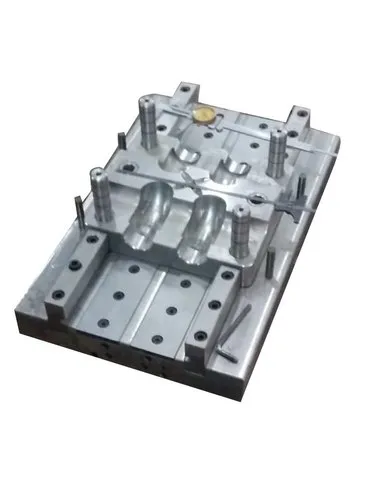
Dies are precision tools critical to manufacturing operations, especially in stamping, forging, extrusion, and molding. Proper storage and handling are essential to protect them from damage, corrosion, and misalignment, thereby ensuring consistent product quality and extended die life.
1. Importance of Proper Die Storage and Handling
Maintains dimensional accuracy and surface integrity
Prevents costly damage and downtime
Extends die lifespan
Ensures consistent production quality
2. General Handling Best Practices
a. Use Proper Lifting Equipment
Always use hoists, cranes, or forklifts rated for the die’s weight.
Use lifting lugs, eye bolts, or die-specific lifting points when provided.
Avoid dragging or sliding dies on the floor.
b. Follow Safety Guidelines
Only trained personnel should handle dies.
Wear appropriate PPE (gloves, steel-toed boots, safety glasses).
Ensure clear communication and coordination during lifting and moving.
c. Avoid Impact and Shock
Never drop dies or let them strike hard surfaces.
Use padded surfaces or protective materials when placing dies down.
3. Cleaning Before Storage
Clean dies thoroughly to remove:
Metal shavings
Lubricants and oils
Residual materials (resins, rubber, etc.)
Use lint-free cloths, brushes, or compressed air to clean.
Avoid moisture retention which could lead to rust or corrosion.
4. Lubrication and Corrosion Protection
Apply a thin coat of rust preventive oil or corrosion inhibitor on metal surfaces.
For long-term storage, use VCI (Vapor Corrosion Inhibitor) paper or bags.
Avoid over-lubrication, which can attract dirt and debris.
5. Die Storage Best Practices
a. Storage Environment
Store in a clean, dry, and climate-controlled area.
Avoid high humidity or temperature fluctuations.
Ensure adequate ventilation to prevent condensation buildup.
b. Storage Positioning
Store dies in their designated orientation (as recommended by the manufacturer).
Use custom racks, shelves, or cradles to prevent shifting or falling.
Heavy dies should be stored closer to the ground to reduce lifting risks.
c. Tagging and Identification
Clearly label dies with:
Die number or ID
Weight
Description of application
Last maintenance/inspection date
Use barcodes or RFID tags for inventory tracking where possible.
d. Segregation
Separate dies by:
Type (e.g., progressive, compound, blanking)
Status (e.g., ready, under maintenance, obsolete)
Avoid stacking unless specifically designed to do so.
6. Periodic Inspection and Maintenance
Regularly inspect stored dies for:
Corrosion
Wear or cracks
Lubrication condition
Rotate dies in long-term storage to prevent surface deterioration.
Maintain records of inspection and re-application of corrosion inhibitors.
7. Transportation Guidelines
Secure dies properly during transport (within plant or offsite).
Use padded clamps or blocking to prevent movement or impact.
Protect from exposure to rain, dust, and vibration.
8. Digital Tracking and Inventory Control
Implement die management software to track:
Die usage and history
Maintenance schedules
Storage location
Helps in quick retrieval and prevents misplacement or duplication.
Conclusion
Following proper storage and handling practices for dies is essential for operational efficiency, safety, and product quality. A systematic approach not only protects these high-value tools but also enhances overall productivity and reliability in manufacturing.