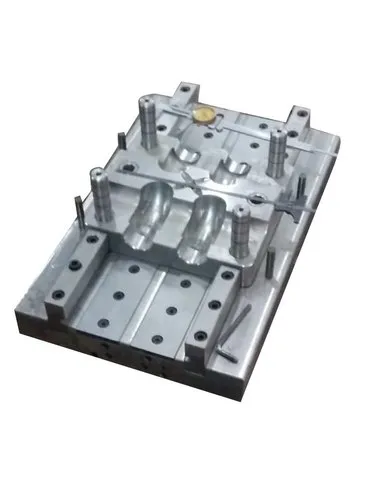
The cosmetics industry is undergoing a quiet revolution—one driven not by trends in makeup or skincare, but by the technologies shaping how cosmetic packaging is designed, molded, and delivered. At the heart of this transformation are artificial intelligence (AI) and robotics, which are rapidly reshaping the future of cosmetic moulding.
1. Precision and Consistency through AI
Cosmetic moulding demands high precision and consistency, especially for brands that rely on signature packaging aesthetics. AI algorithms now play a vital role in optimizing moulding parameters such as temperature, pressure, and cycle time. Machine learning models can predict defects and adjust settings in real time, resulting in:
Fewer rejected units
Improved surface finish quality
Reduced material waste
Through predictive analytics, manufacturers can simulate entire moulding cycles digitally before actual production, saving time and resources.
2. Smart Robotics in Manufacturing Lines
Robotics is no longer limited to repetitive mechanical tasks. Smart robots equipped with vision systems and AI processors can now:
Handle delicate parts with variable shapes
Conduct real-time quality inspections
Sort and pack with incredible accuracy
Collaborative robots (cobots) work alongside humans in moulding environments, improving productivity without compromising safety. This hybrid workforce enables 24/7 production, ensuring high throughput and reliability.
3. Customization and Rapid Prototyping
As consumer demand shifts toward personalized cosmetic experiences, AI-driven moulding allows for quick design iterations and short-run production. Generative design tools use AI to create optimized moulds tailored to brand aesthetics and ergonomic usability. Combined with robotic 3D printing and rapid tooling, manufacturers can bring new packaging concepts from idea to shelf in weeks rather than months.
4. Sustainability and Waste Reduction
Environmental concerns are pushing cosmetic companies to rethink their packaging strategies. AI algorithms help optimize designs for lightweighting and material efficiency. Robotics, meanwhile, ensures precise material usage and minimal scrap through automation. Together, they support the use of:
Biodegradable and recycled plastics
Closed-loop manufacturing systems
Smart energy consumption monitoring
5. Data-Driven Quality Control
Traditional cosmetic moulding relied heavily on post-production inspection. With AI and robotics integration, quality control is now built into every step of the process. High-resolution cameras and sensors combined with real-time data analytics can detect defects like warping, bubbles, or color inconsistencies immediately. This allows for:
Instant rejection of faulty units
Root cause analysis through AI
Continuous process improvement
6. Challenges and the Road Ahead
Despite the promise, integration of AI and robotics in cosmetic moulding comes with challenges:
High initial investment costs
Need for skilled workforce and training
Integration with legacy systems
However, as the cost of robotics and AI implementation drops and as software tools become more user-friendly, even small- to mid-sized cosmetic manufacturers can benefit.
Conclusion
The future of cosmetic moulding lies in intelligent automation. AI and robotics are not just enhancing productivity—they are enabling entirely new levels of creativity, quality, and sustainability. As these technologies continue to evolve, cosmetic brands that embrace them early will gain a significant edge in a competitive, design-driven market.