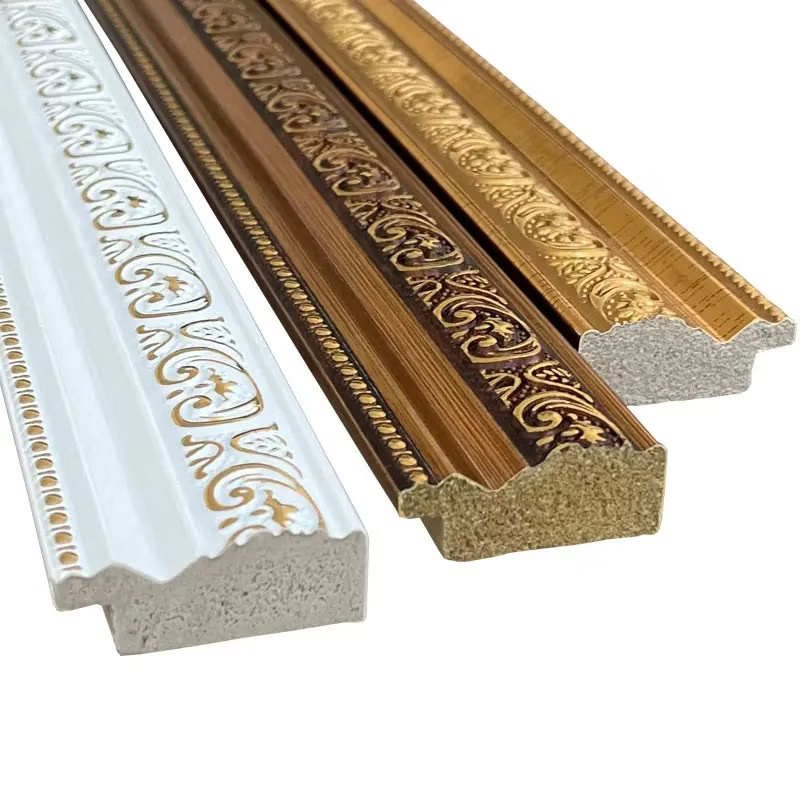
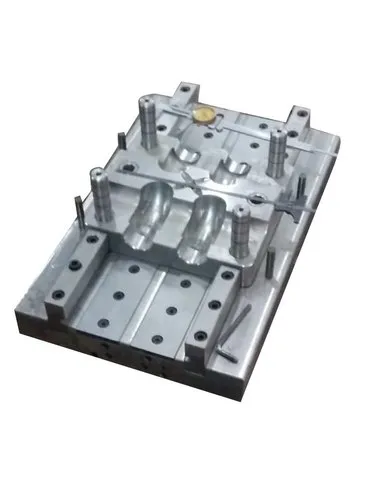
Polyvinyl chloride (PVC) molding continues to be a prominent choice in the building and construction industry, offering durability, affordability, and design flexibility. As construction practices evolve, so does the use of PVC in molding applications. Below are the key trends shaping the future of PVC molding:
1. Increased Use of Foamed PVC Molding
Foamed PVC, or cellular PVC, is gaining popularity due to its lightweight nature and wood-like appearance. It offers excellent resistance to moisture, rot, and insects, making it ideal for both interior and exterior trim applications.
Benefits: Easier installation, lower transportation costs, and reduced labor intensity.
Applications: Window and door trim, baseboards, crown molding, and decorative elements.
2. Sustainability and Recycling Initiatives
With a growing emphasis on sustainability, manufacturers are focusing on recycling PVC and incorporating more eco-friendly practices.
Recycled PVC is increasingly used in non-structural moldings.
Low-VOC formulations are being developed to meet green building standards like LEED and WELL.
3. Advances in Finishes and Aesthetics
Modern PVC molding now comes in a variety of textures and colors, simulating high-end materials like wood, stone, and metal.
Embossed grain patterns mimic real wood for interior elegance.
Pre-finished moldings reduce onsite painting and finishing time.
4. Integration with Smart Building Systems
Innovations in smart homes and commercial buildings have prompted the development of moldings that accommodate integrated technologies.
Cable-concealing moldings hide wiring for smart lighting and home automation.
Modular systems allow easy retrofitting and future upgrades.
5. Enhanced Durability and Weather Resistance
New formulations and coatings improve the longevity of PVC molding, especially for exterior applications.
UV-resistant coatings protect against sun damage and fading.
Impact-resistant PVC holds up better in high-traffic or extreme weather conditions.
6. Customization and 3D Printing
Customization is in demand, and 3D printing is beginning to influence the design and manufacturing of PVC moldings.
Rapid prototyping allows for quick design changes.
Custom profiles are becoming more accessible to builders and designers.
7. Growth in DIY and Prefabricated Solutions
As DIY renovations increase, user-friendly PVC molding options are expanding.
Click-together systems for easy installation.
Pre-measured kits for common room sizes to simplify planning.
8. Compliance with Fire and Safety Standards
New building codes and regulations are pushing for safer materials.
Fire-retardant PVC molding is being developed to meet stringent codes for commercial and residential buildings.
Smoke-resistant formulations are also on the rise.
Conclusion
PVC molding is evolving in response to environmental, aesthetic, and technological demands in the building and construction sector. With innovations in sustainability, customization, and smart integration, PVC molding remains a versatile and forward-looking choice for modern construction needs.