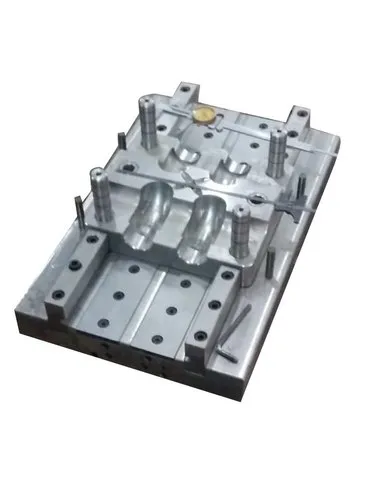
Injection moulding is a widely used process in manufacturing plastic parts, but it can sometimes result in defects that impact product quality and functionality. Two of the most common moulding defects are flash and short shots. Understanding the causes and solutions to these issues is crucial for maintaining efficiency and product integrity.
1. Flash in Moulding
What is Flash?
Flash is excess material that flows outside the intended mould cavity, usually appearing as a thin layer or feather-like extension at the parting line, ejector pins, or around inserts.
Common Causes of Flash
| Cause | Description |
|---|---|
| Excessive Injection Pressure | High pressure can force molten plastic into parting lines or vent gaps. |
| Worn or Damaged Mould | Gaps due to wear or poor maintenance allow material leakage. |
| Improper Clamping Force | Insufficient clamping can let the mould open slightly during injection. |
| High Melt Temperature | Low-viscosity plastic can seep into unintended areas more easily. |
| Poor Mould Design | Inadequate venting or poor fit between mould halves. |