September 2025

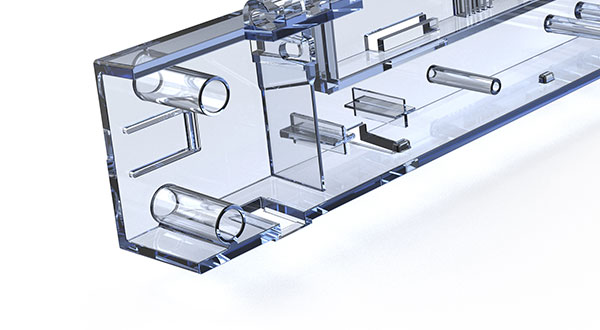
Mould Flow Analysis Interpretation

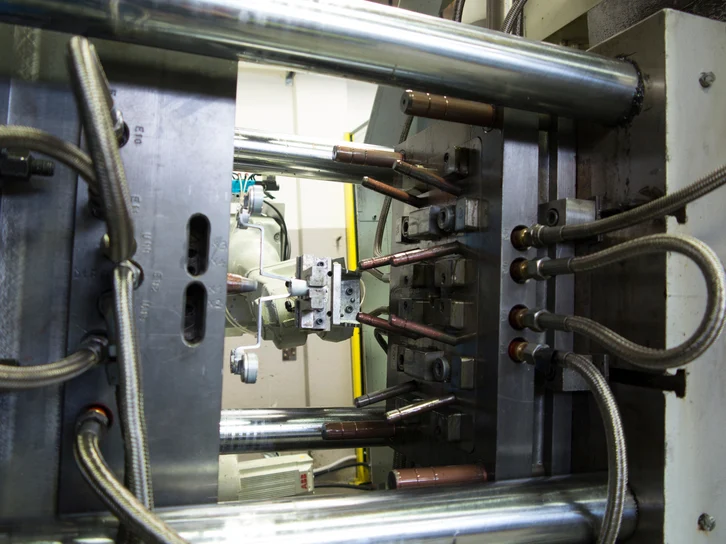
1. Introduction Mould Flow Analysis (MFA) is a computer-aided engineering simulation used to predict how molten plastic will flow during the injection moulding process. Proper interpretation of mould flow results is essential to ensure part quality, reduce manufacturing defects, and optimize mould design and processing conditions. 2. Objectives of Mould Flow Analysis Predict material flow […]

Mould Flow Analysis Interpretation Read More »
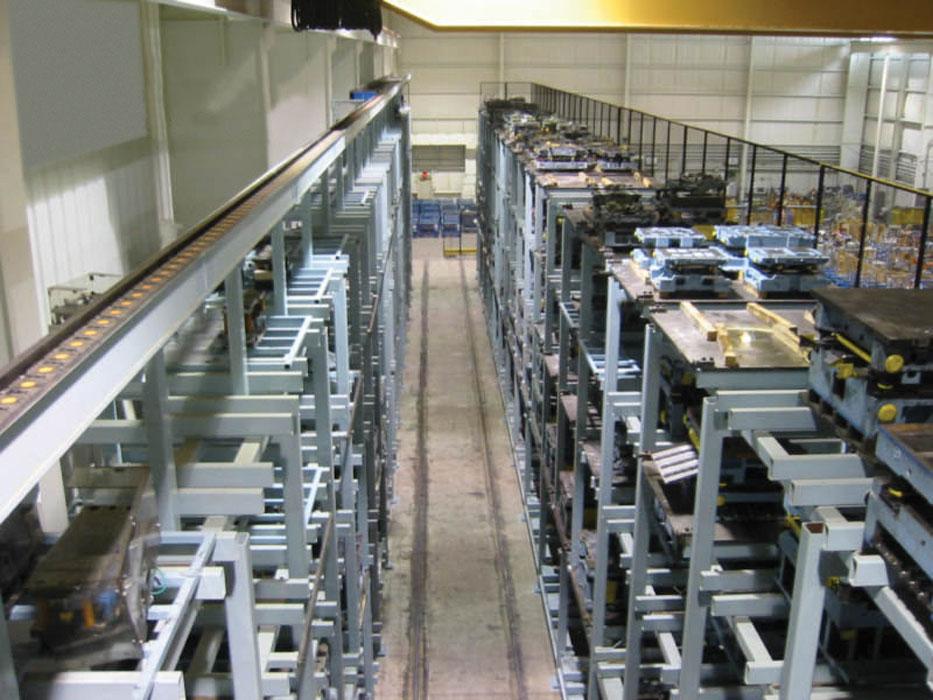
Storage and handling best practices for dies

Dies are precision tools critical to manufacturing operations, especially in stamping, forging, extrusion, and molding. Proper storage and handling are essential to protect them from damage, corrosion, and misalignment, thereby ensuring consistent product quality and extended die life. 1. Importance of Proper Die Storage and Handling Maintains dimensional accuracy and surface integrity Prevents costly damage

Storage and handling best practices for dies Read More »

Maintenance and Repair of Dies and Mould Bases

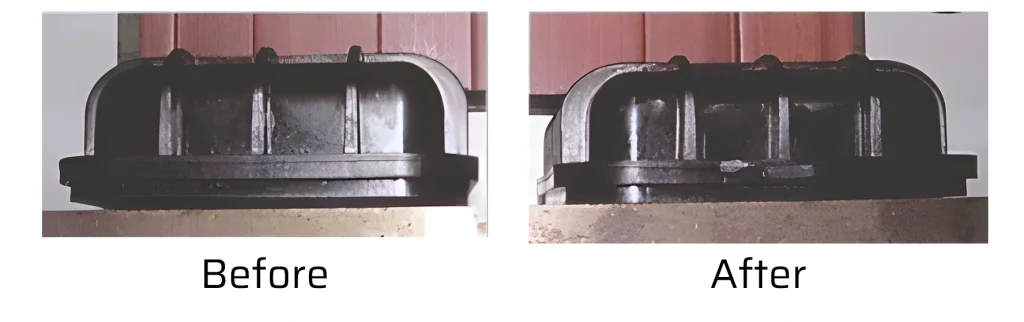
Dies and mould bases are critical components in manufacturing processes such as injection moulding, die casting, and metal stamping. They must consistently produce parts with high precision and repeatability. Over time, however, these components are subject to wear, corrosion, misalignment, and damage due to mechanical and thermal stresses. Proper maintenance and timely repair are essential

Maintenance and Repair of Dies and Mould Bases Read More »

Lubrication and wear monitoring of dies

1. Introduction Dies are critical tooling components used in various manufacturing processes such as stamping, forging, extrusion, and die casting. The performance and longevity of dies directly affect product quality, production efficiency, and maintenance costs. Therefore, effective lubrication and wear monitoring of dies are essential for ensuring optimal performance, reducing downtime, and extending tool life.

Lubrication and wear monitoring of dies Read More »

Die Assembly Procedures

Die assembly is a critical step in the die manufacturing and stamping process. It involves fitting and aligning the various die components accurately to ensure the tool functions as designed during production. Proper die assembly ensures precision, safety, longevity, and quality of the final stamped product. Below is a detailed outline of standard die assembly

Die Assembly Procedures Read More »

Cycle Time Reduction Through Efficient Die Design

Cycle time — the total time required to complete one production cycle — is a critical performance metric in manufacturing. It directly impacts production capacity, operational efficiency, and overall profitability. One of the most effective strategies for cycle time reduction in metal forming, plastic molding, and stamping processes is efficient die design. This article explores

Cycle Time Reduction Through Efficient Die Design Read More »

Troubleshooting flash and short shots in moulding

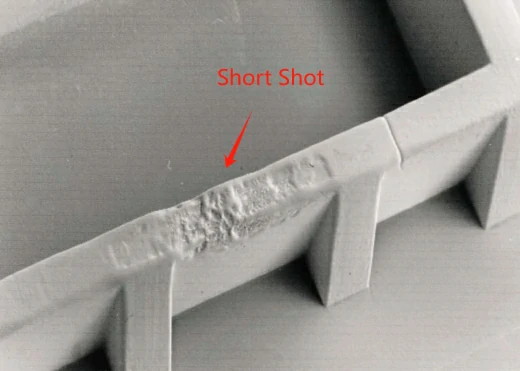
Injection moulding is a widely used process in manufacturing plastic parts, but it can sometimes result in defects that impact product quality and functionality. Two of the most common moulding defects are flash and short shots. Understanding the causes and solutions to these issues is crucial for maintaining efficiency and product integrity. 1. Flash in

Troubleshooting flash and short shots in moulding Read More »

Tolerances and Precision Machining of Mould Components

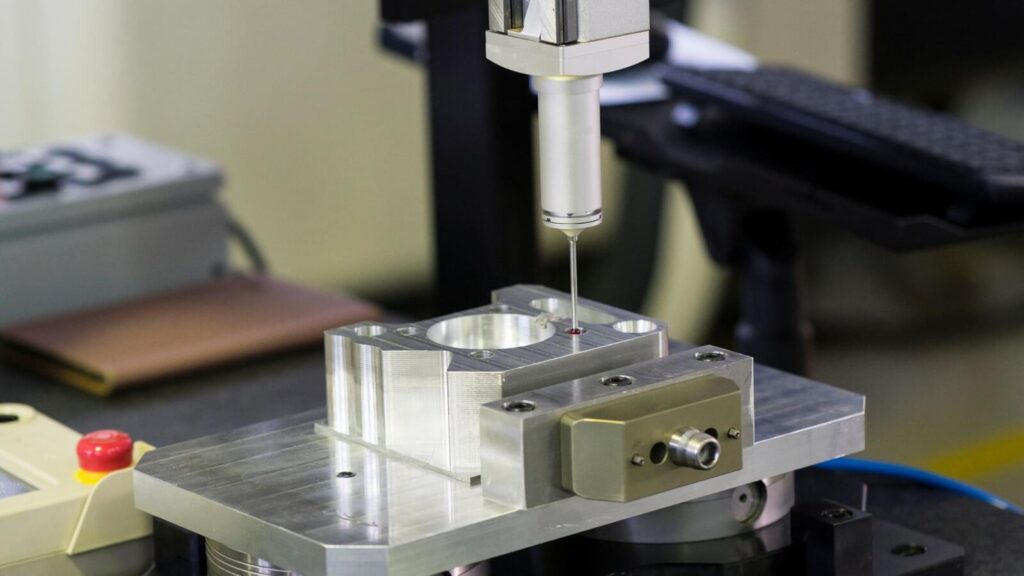
1. Introduction In the mould-making industry, precision and accuracy are critical. Mould components must fit together flawlessly to ensure proper functioning, minimize wear, and maintain part quality during production. Tolerances define the permissible limits of variation in a physical dimension, while precision machining ensures components are manufactured within these defined limits. Together, they are vital

Tolerances and Precision Machining of Mould Components Read More »

Scroll to Top