Author name: admin

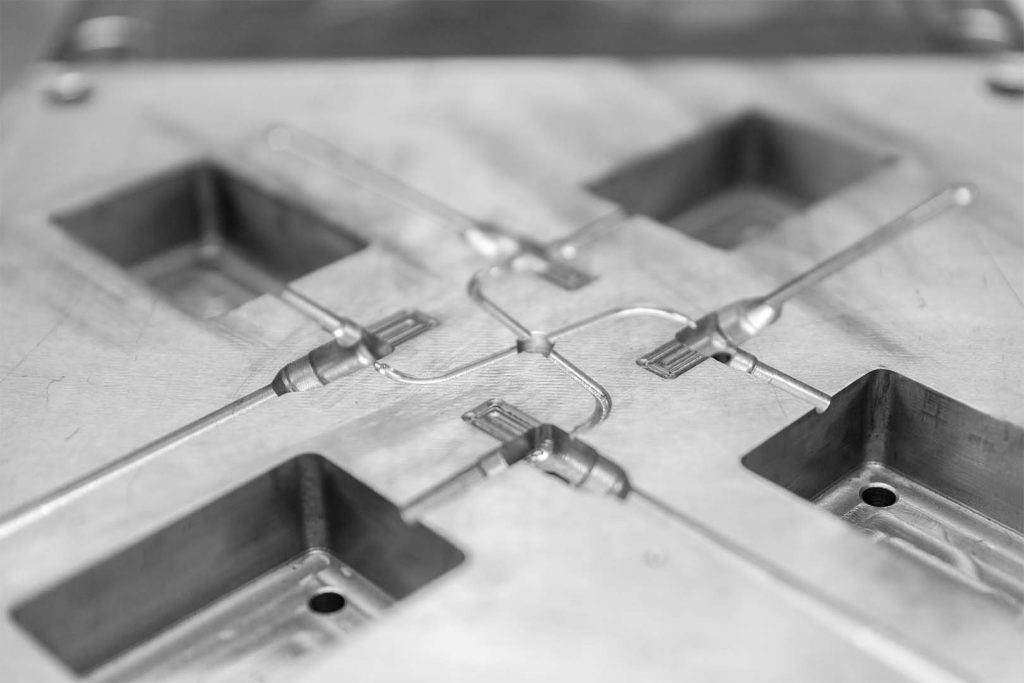
Types of Steel Used for Injection Moulds

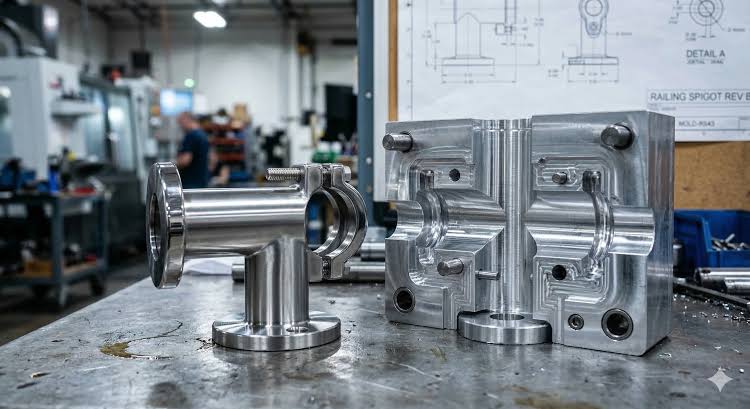
Steel is one of the most widely used materials for manufacturing injection moulds because it offers high strength, good machinability, wear resistance, and the ability to maintain precise cavity dimensions over many production cycles. The choice of steel directly affects mould life, manufacturing cost, surface finish, corrosion resistance, cooling performance, and the quality of the

Types of Steel Used for Injection Moulds Read More »

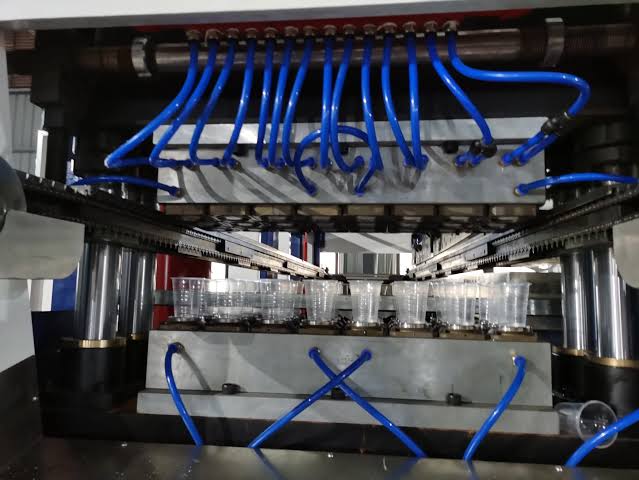
Choosing the Right Material for a Thermoforming Mould

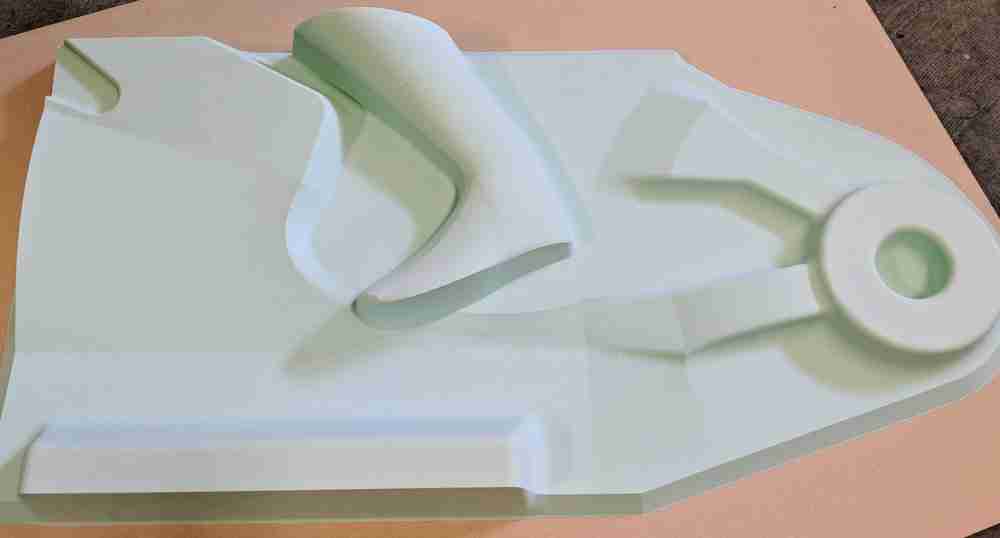
1. Introduction Thermoforming is a manufacturing process in which a thermoplastic sheet is heated until it becomes soft and formable, then shaped over or into a mould using vacuum, pressure, or mechanical force. After cooling, the formed sheet retains the shape of the mould and is removed for further processing. The material used to manufacture

Choosing the Right Material for a Thermoforming Mould Read More »

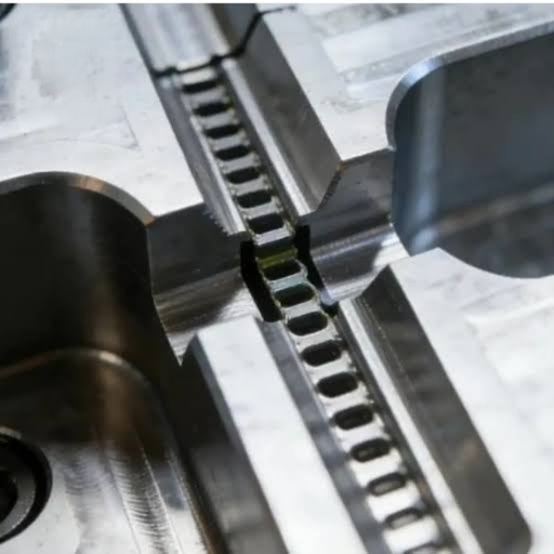
Preventing Material Sticking in Moulds

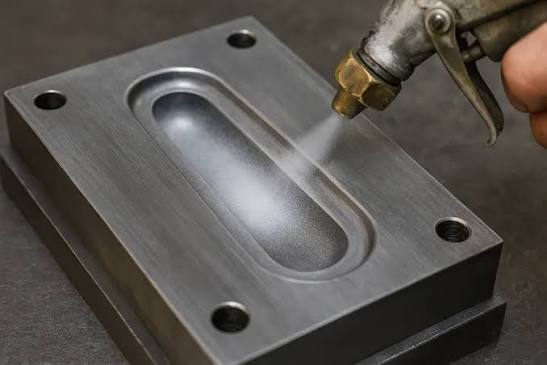
1. Introduction Material sticking in moulds is a common problem in manufacturing processes such as injection moulding, compression moulding, thermoforming, and candle moulding. It occurs when the moulded material adheres to the mould surface and cannot be removed easily after the forming process. Material sticking can damage the finished product, reduce production efficiency, increase labour

Preventing Material Sticking in Moulds Read More »

Injection Mould Materials

1. Introduction Injection mould materials are the metals and other engineering materials used to manufacture moulds for producing plastic components through the injection moulding process. The material selected for an injection mould has a significant influence on its strength, durability, wear resistance, corrosion resistance, surface finish, heat transfer, manufacturing cost, and service life. During injection

Injection Mould Materials Read More »

Polishing and Texturing Thermoforming Moulds

1. Introduction Polishing and texturing are two important surface-finishing processes used in the manufacturing of thermoforming moulds. These processes determine the surface appearance of the finished plastic product, influence the release of the formed sheet from the mould, and help maintain consistent product quality. Thermoforming is a manufacturing process in which a thermoplastic sheet is

Polishing and Texturing Thermoforming Moulds Read More »

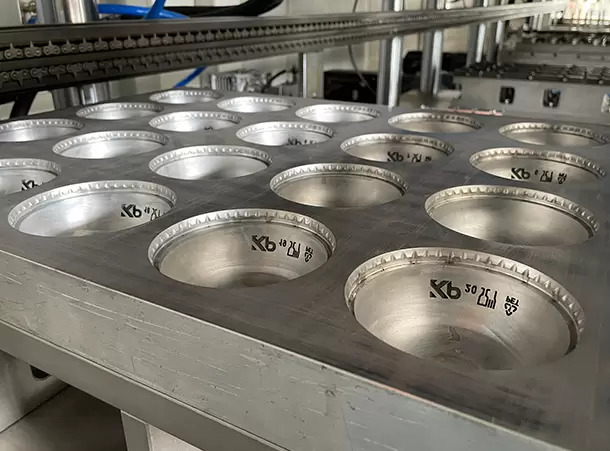
Surface Finishing of Thermoforming Moulds

Surface finishing of thermoforming moulds is an important process that determines the appearance, texture, accuracy, and quality of thermoformed plastic products. It involves preparing and refining the mould surface to achieve the desired finish, improve plastic release, and ensure consistent product quality. Thermoforming is a manufacturing process in which a thermoplastic sheet is heated until

Surface Finishing of Thermoforming Moulds Read More »

Scroll to Top