December 2025

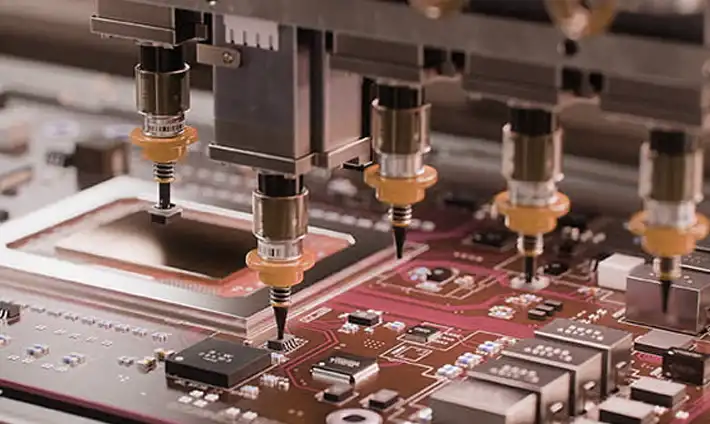
Study of Failures in Electronic Moulded Parts

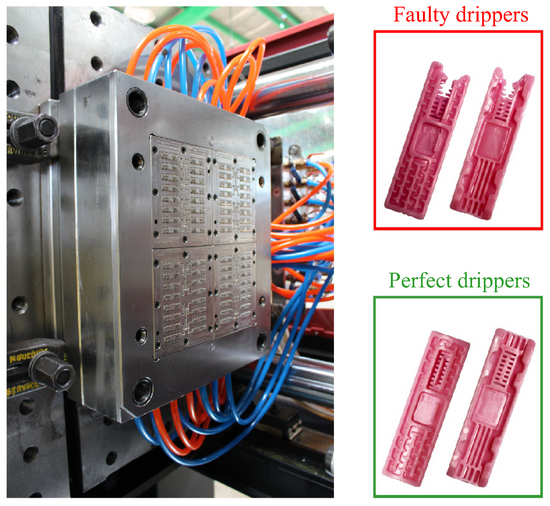
Electronic moulded parts are widely used in consumer electronics, automotive electronics, medical devices, and industrial equipment. These components must meet strict mechanical, electrical, and environmental performance requirements. However, failures in electronic moulded parts can lead to product malfunction, safety risks, recalls, and increased warranty costs. A systematic study of these failures helps manufacturers identify root […]

Study of Failures in Electronic Moulded Parts Read More »
Cost Estimation Techniques for Automotive Moulds

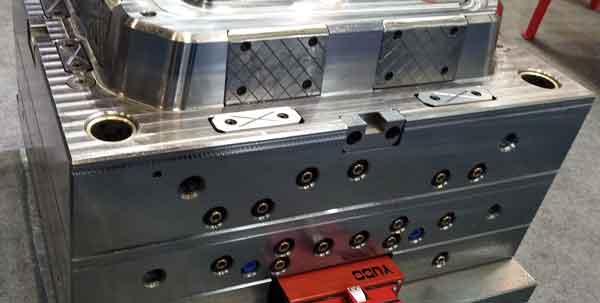
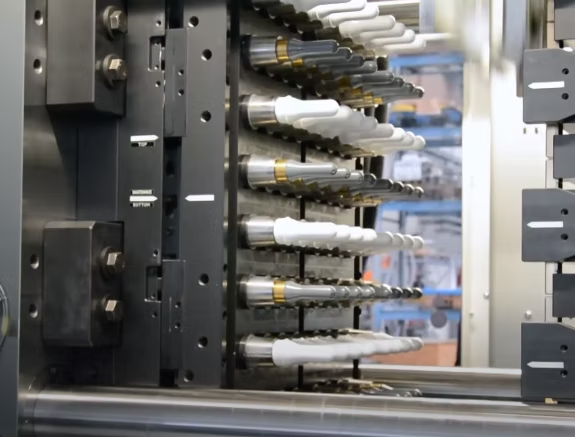
Accurate cost estimation is a critical factor in the successful design, development, and production of automotive moulds. Given the high precision, durability requirements, and large production volumes associated with the automotive industry, effective cost estimation helps manufacturers remain competitive while maintaining quality and compliance standards. 1. Design-Based Cost Estimation This technique evaluates costs at the

Cost Estimation Techniques for Automotive Moulds Read More »

Project: Designing an IoT-Enabled Injection Mould

1. Introduction The integration of Internet of Things (IoT) technologies into injection moulding represents a major advancement in smart manufacturing. An IoT-enabled injection mould allows real-time monitoring, data collection, and intelligent control of mould performance parameters. This project focuses on designing an injection mould embedded with sensors, connectivity, and analytics capabilities to improve productivity, quality,

Project: Designing an IoT-Enabled Injection Mould Read More »

Integration of Wireless Charging Modules via Moulding

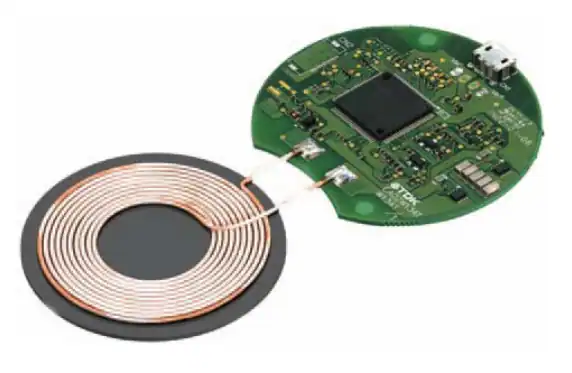
The integration of wireless charging modules through moulding technology is transforming the design and manufacturing of modern electronic products. By embedding charging components directly into moulded plastic parts, manufacturers can achieve compact designs, enhanced durability, and improved user experience. 1. Overview of Wireless Charging Technology Wireless charging primarily operates on electromagnetic induction or resonant coupling,

Integration of Wireless Charging Modules via Moulding Read More »

Export and Import Dynamics in Mould Manufacturing

The mould manufacturing industry operates within a highly globalized supply chain, where exports and imports play a critical role in meeting technological, cost, and capacity requirements. As product lifecycles shorten and precision demands increase, mould makers increasingly depend on cross-border trade for tools, materials, and expertise. 1. Global Trade Landscape Mould manufacturing is concentrated in

Export and Import Dynamics in Mould Manufacturing Read More »

Pricing Strategies in the Moulding Industry

Pricing in the moulding industry is a critical business function that directly impacts profitability, competitiveness, and long-term sustainability. Due to high capital investment, customized products, and fluctuating raw material costs, mould manufacturers must adopt flexible and well-planned pricing strategies. 1. Cost-Based Pricing Cost-based pricing is the most widely used approach in the moulding industry. Key

Pricing Strategies in the Moulding Industry Read More »

Use of Conductive Polymers in Moulding

1. Introduction Conductive polymers are specialized plastic materials that combine the mechanical advantages of traditional polymers with electrical conductivity. In moulding applications, these materials enable the production of components that can conduct electricity, dissipate static charges, or provide electromagnetic shielding—without the need for secondary metal coatings or inserts. Their use is rapidly expanding in automotive,

Use of Conductive Polymers in Moulding Read More »

OEM vs Aftermarket Moulding Requirements

In the mould manufacturing industry—especially for automotive, electrical, and consumer products—OEM (Original Equipment Manufacturer) and Aftermarket customers have distinct moulding requirements. Understanding these differences is critical for mould makers to design, price, and deliver tooling that aligns with customer expectations, regulatory needs, and business goals. 1. Definition Overview OEM Moulding OEM moulds are used to

OEM vs Aftermarket Moulding Requirements Read More »

B2B vs B2C Sales for Mould Manufacturers

Mould manufacturers operate in a specialized industrial ecosystem where sales strategies vary significantly depending on whether they serve Business-to-Business (B2B) or Business-to-Consumer (B2C) markets. Understanding the differences between these two approaches is essential for choosing the right sales model, marketing strategy, and growth path. 1. Understanding B2B Sales in Mould Manufacturing B2B sales involve supplying

B2B vs B2C Sales for Mould Manufacturers Read More »

Embedded Antennas in Moulded Devices

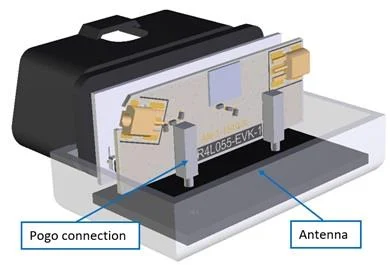
Embedded antennas in moulded devices represent a key advancement in modern product design, enabling seamless wireless connectivity while maintaining compact form factors and robust mechanical integrity. By integrating antennas directly into plastic moulded components, manufacturers can reduce assembly steps, improve performance consistency, and enhance product aesthetics. What Are Embedded Antennas? Embedded antennas are conductive antenna

Embedded Antennas in Moulded Devices Read More »

Scroll to Top