December 2025

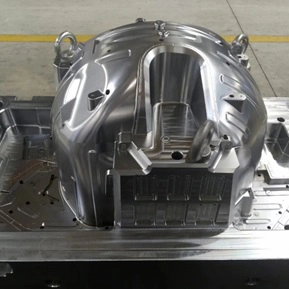
Leading Manufacturers of Automobile Moulds

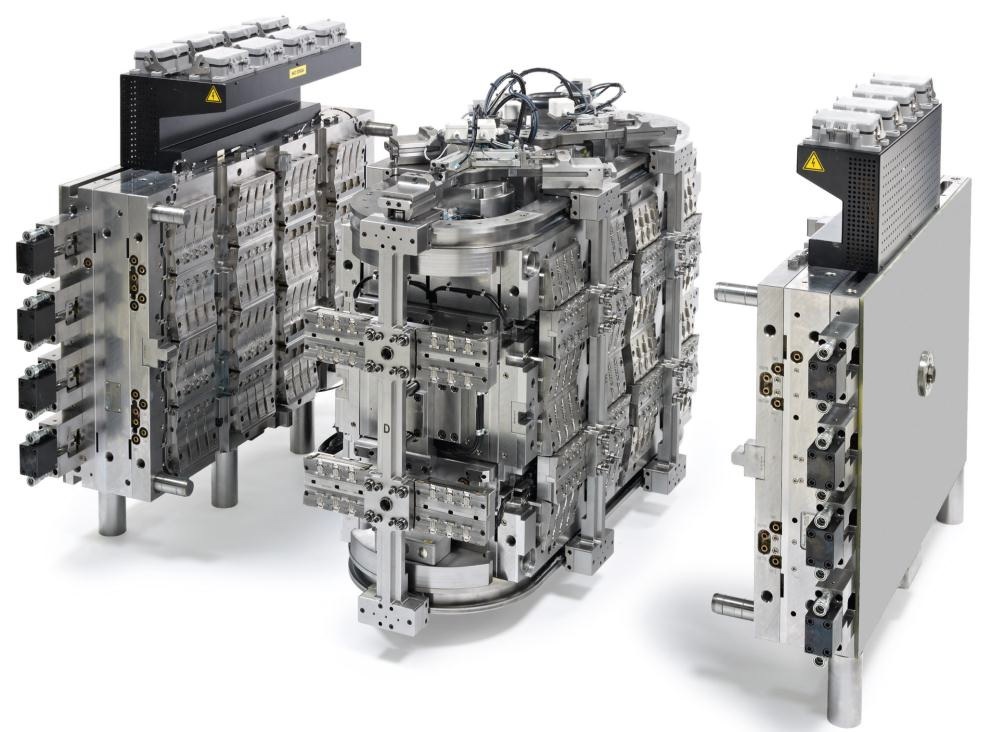
Automobile moulds are essential tooling used to produce a wide range of vehicle components — from interior and exterior plastic parts to metal die-cast structural elements. These moulds must meet extremely tight tolerances, high durability standards, and be capable of high-volume production for global automotive OEMs and Tier-1 suppliers. Business Research Insights 1. Global Leaders […]

Leading Manufacturers of Automobile Moulds Read More »
Marketing Plastic Furniture Moulds to Distributors

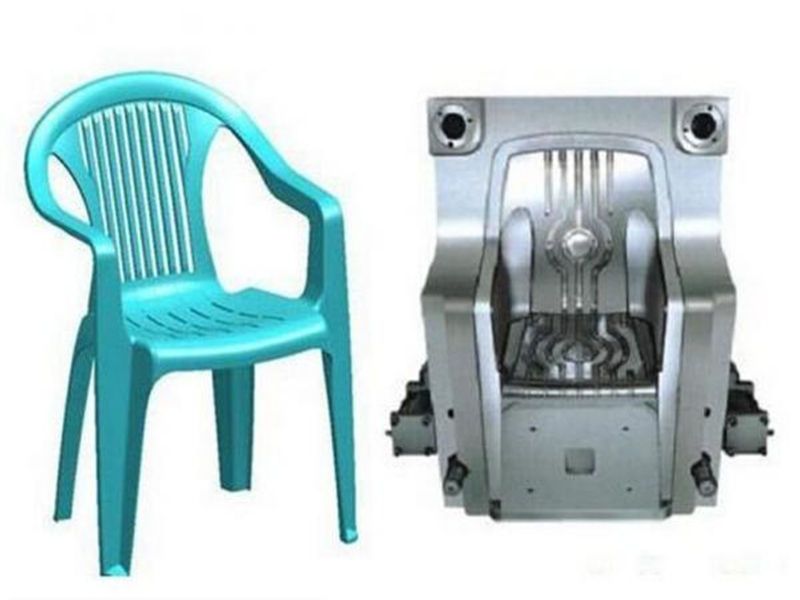
Marketing plastic furniture moulds to distributors requires a focused B2B strategy that highlights technical reliability, commercial value, and long-term partnership potential. Distributors look for moulds that deliver consistent quality, cost efficiency, and strong after-sales support. Effective marketing must therefore align product capabilities with distributor business objectives. Understanding Distributor Expectations Distributors prioritize moulds that are durable,

Marketing Plastic Furniture Moulds to Distributors Read More »

Flexible Electronics in Mould Technology

Flexible electronics represent a significant advancement in mould technology, enabling the integration of electronic functionality into curved, lightweight, and deformable plastic components. By combining flexible electronic circuits with advanced moulding processes, manufacturers can create smart, compact, and highly functional products across automotive, consumer electronics, medical, and industrial applications. What Are Flexible Electronics? Flexible electronics use

Flexible Electronics in Mould Technology Read More »

Global Market Trends in Automotive Moulds

1) Market snapshot (size & growth) The global automotive mould market is substantial and growing: several market reports put the automotive mould/tooling market value in the tens of billions USD range (estimates around USD 34–45B in the mid-2020s) with steady mid-single-digit CAGRs into the 2030s. IMARC Group+1 Broader segments (e.g., injection-molded automotive parts) are even

Global Market Trends in Automotive Moulds Read More »

Starting a Business in Plastic Furniture Moulding

1. Introduction Plastic furniture moulding is a fast-growing manufacturing business driven by demand for lightweight, durable, cost-effective, and weather-resistant furniture. Products such as chairs, tables, stools, crates, and outdoor furniture are widely used in residential, commercial, and institutional sectors. With advancements in injection moulding technology and recyclable plastics, this business offers strong long-term potential. 2.

Starting a Business in Plastic Furniture Moulding Read More »

3D Printing in Electronic Mould Making

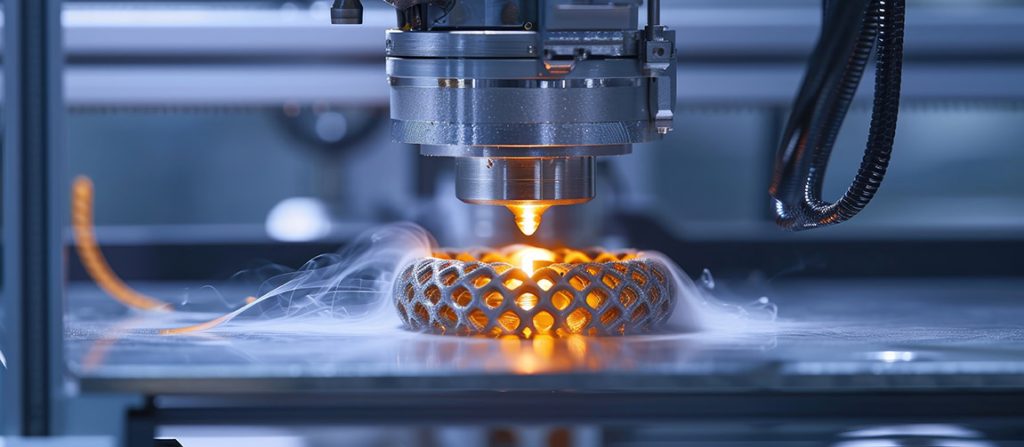
3D printing, also known as additive manufacturing, is increasingly transforming electronic mould making by enabling faster development, greater design flexibility, and cost-effective production of complex components. In the electronics industry—where precision, miniaturization, and rapid innovation are critical—3D printing plays a vital supporting role across the mould lifecycle. 1. Role of 3D Printing in Electronic Mould

3D Printing in Electronic Mould Making Read More »

Challenges in High-Volume Automotive Moulding

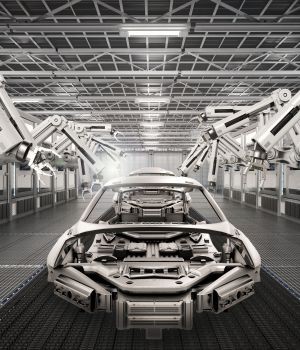
High-volume automotive moulding plays a critical role in mass production of interior, exterior, and under-the-hood components. While it enables cost efficiency and consistency, it also presents several technical, operational, and quality-related challenges that manufacturers must continuously address. 1. Tooling Durability and Wear Automotive moulds operate under extreme production cycles, often exceeding millions of shots. Continuous

Challenges in High-Volume Automotive Moulding Read More »

Mould Life Cycle and Durability

1. Introduction The mould life cycle refers to the complete operational lifespan of a mould, from initial design and fabrication to production use, maintenance, refurbishment, and eventual retirement. Durability determines how long a mould can consistently produce quality parts within specified tolerances. Effective life cycle management is critical for cost control, production efficiency, and product

Mould Life Cycle and Durability Read More »

Troubleshooting and Fault Analysis in Electronic Moulds

Electronic moulds used for producing housings, connectors, and precision components must meet tight dimensional, electrical, and aesthetic requirements. Faults in mould design, processing, or maintenance can lead to defects that affect product functionality and compliance. Effective troubleshooting and fault analysis help identify root causes, reduce downtime, and improve overall mould performance. 1. Importance of Troubleshooting

Troubleshooting and Fault Analysis in Electronic Moulds Read More »

Overcoming Warping and Shrinkage in Moulded Parts

Warping and shrinkage are among the most common quality issues in plastic moulding, affecting dimensional accuracy, appearance, and functional performance of moulded parts. These defects arise due to uneven cooling, improper material selection, and suboptimal process parameters. Understanding their causes and implementing effective corrective measures is essential for consistent and high-quality production. 1. Understanding Warping

Overcoming Warping and Shrinkage in Moulded Parts Read More »

Scroll to Top