January 2026

Hot Runner Systems for Stationery Moulds

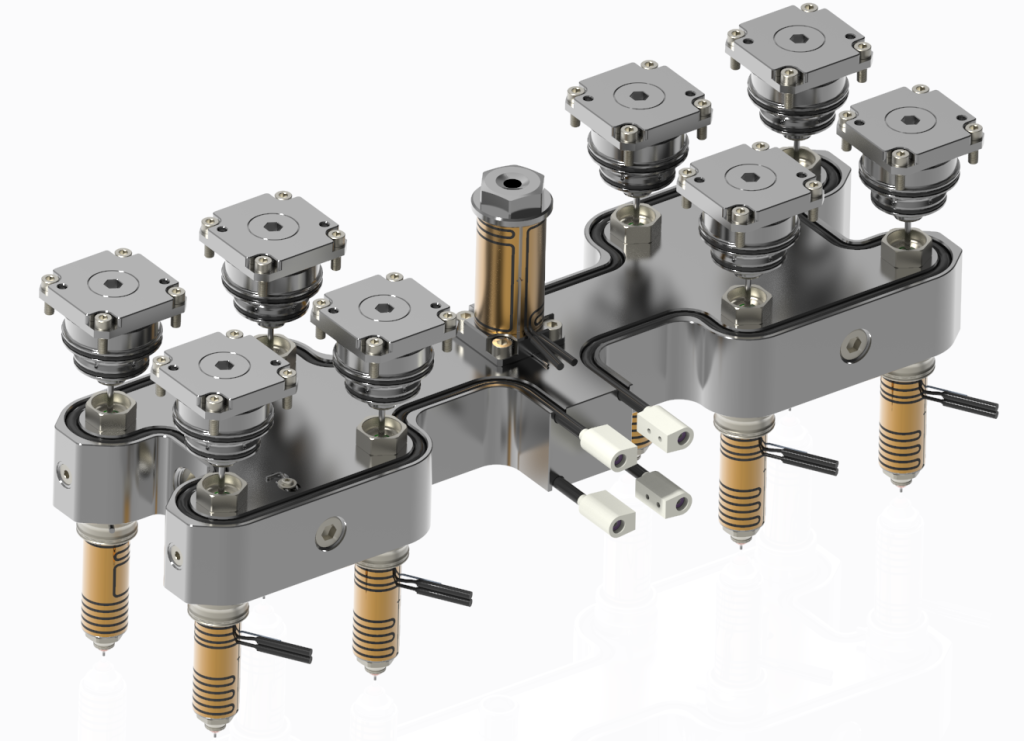
Hot runner systems play a vital role in the efficient mass production of stationery products such as pens, caps, rulers, geometry boxes, markers, files, and classroom accessories. Given the high-volume, cost-sensitive, and aesthetic-driven nature of the stationery industry, hot runner technology helps manufacturers achieve consistent quality, faster cycles, and reduced material waste. What Is a […]

Hot Runner Systems for Stationery Moulds Read More »
Tool Steel Selection for Medical Moulds

Tool steel selection is a critical factor in the design and manufacture of medical moulds, as medical components demand high precision, strict regulatory compliance, excellent surface finish, and long production life. The correct choice of tool steel directly influences mould durability, product quality, cleanliness, and overall cost efficiency. Importance of Tool Steel in Medical Moulding

Tool Steel Selection for Medical Moulds Read More »

Mould Venting and Its Importance in Cosmetic Products

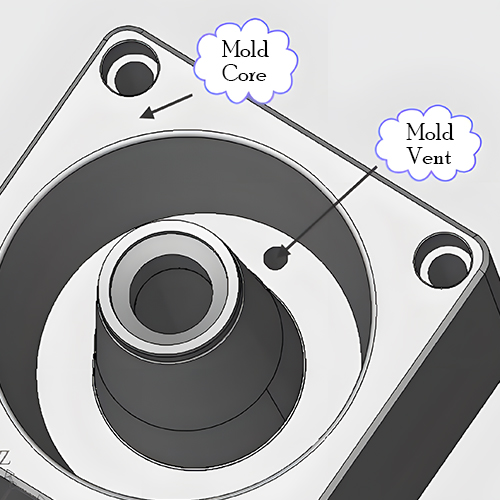
1. Introduction to Mould Venting Mould venting is the controlled release of trapped air and gases from the mould cavity during the injection moulding process. In cosmetic product moulding—where aesthetics, surface finish, and dimensional accuracy are critical—effective venting is essential to ensure defect-free, visually appealing parts such as lipstick cases, compact powder boxes, caps, jars,

Mould Venting and Its Importance in Cosmetic Products Read More »

Thin-Wall Moulding for Lightweight Stationery Items

1. Introduction Thin-wall moulding is a specialized injection moulding process used to manufacture lightweight, high-volume plastic products with wall thicknesses typically below 1.0 mm. In the stationery industry, this technology is widely applied to items such as pen barrels, rulers, file covers, geometry boxes, notebook covers, and pencil cases. Thin-wall moulding enables material savings, faster

Thin-Wall Moulding for Lightweight Stationery Items Read More »

Implantable Device Mould Design Basics

Implantable medical devices require extremely precise, contamination-free, and biocompatible components. Mould design for implantable devices plays a critical role in ensuring product safety, regulatory compliance, and long-term performance inside the human body. Unlike disposable medical products, implantable components demand ultra-high accuracy, superior surface finishes, and validated manufacturing processes. Key Requirements in Implantable Device Mould Design

Implantable Device Mould Design Basics Read More »

Aesthetic Defects and Quality Control in Cosmetic Moulds

Cosmetic packaging components demand exceptionally high aesthetic standards, as visual appearance directly influences brand perception and consumer trust. Even minor surface imperfections can lead to product rejection. Therefore, understanding aesthetic defects and implementing strict quality control (QC) measures is critical in cosmetic mould manufacturing. Common Aesthetic Defects in Cosmetic Moulded Parts 1. Flow Lines and

Aesthetic Defects and Quality Control in Cosmetic Moulds Read More »

Moulds for Classroom Accessories and Teaching Aids

Moulds for classroom accessories and teaching aids are designed to support the mass production of durable, safe, and cost-effective educational products used in schools, training centers, and learning institutions. These moulds focus on high repeatability, child-safe designs, and long service life to meet the demands of large-scale educational supply programs. Applications of Classroom Accessory Moulds

Moulds for Classroom Accessories and Teaching Aids Read More »

Moulds for Diagnostic Device Components

Diagnostic device components demand the highest standards of precision, cleanliness, and consistency, as they play a critical role in accurate medical testing and patient diagnosis. Injection moulds used for diagnostic devices are engineered to produce defect-free, dimensionally stable, and contamination-free plastic components that meet stringent medical and regulatory requirements. Overview of Diagnostic Device Moulding Diagnostic

Moulds for Diagnostic Device Components Read More »

Mold Flow Analysis for Cosmetic Parts

Mold Flow Analysis (MFA) is a critical simulation process used in the design and development of cosmetic packaging moulds. Cosmetic components such as lipstick cases, compact powder boxes, jars, caps, and bottles demand superior surface finish, dimensional accuracy, and consistent quality. Mold flow analysis helps predict and optimize the behavior of molten plastic during injection

Mold Flow Analysis for Cosmetic Parts Read More »

Notebook, File, and Folder Mould Manufacturing

Notebook, file, and folder mould manufacturing plays a crucial role in the mass production of educational, office, and institutional stationery products. These moulds are designed to deliver high productivity, consistent quality, and precise dimensional control for plastic components such as covers, spines, clips, rings, and binding accessories. Materials Used in Notebook and File Moulds Common

Notebook, File, and Folder Mould Manufacturing Read More »

Scroll to Top