February 2026

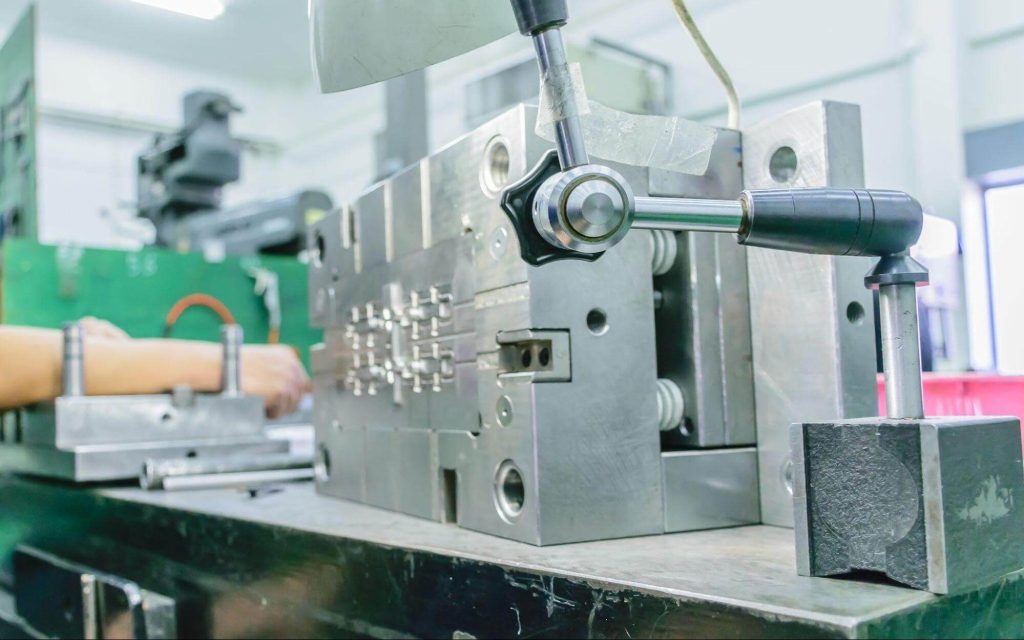
Risk Management in Medical Mould Design

Risk management is a critical element in medical mould design, as moulded components are often used in life-saving, diagnostic, and patient-contact applications. A structured risk management approach ensures product safety, regulatory compliance, and consistent manufacturing performance throughout the mould’s lifecycle. Importance of Risk Management Medical moulds must meet strict quality and safety requirements defined by […]

Risk Management in Medical Mould Design Read More »
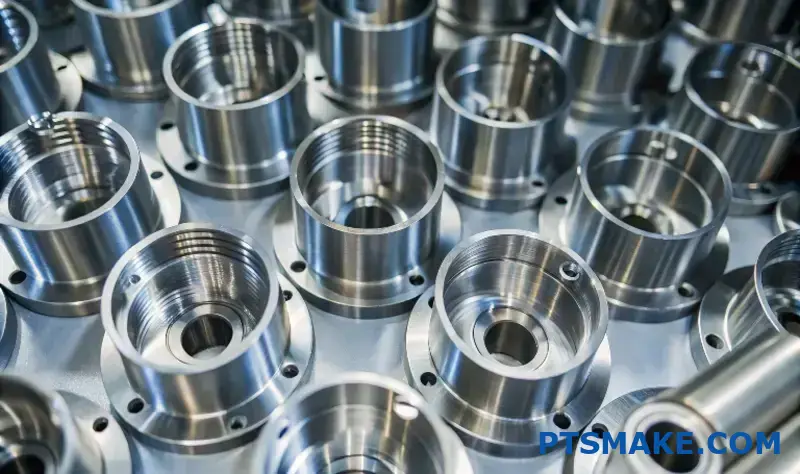
Corrosion-Resistant Steels for Cosmetic Applications

Cosmetic moulds and tooling operate in highly demanding environments where aesthetics, hygiene, and long-term durability are critical. Frequent exposure to aggressive polymers, colorants, fragrances, cleaning agents, and humid production conditions makes corrosion resistance a key factor in steel selection. Using corrosion-resistant steels ensures consistent surface quality, extended tool life, and reliable production of premium cosmetic

Corrosion-Resistant Steels for Cosmetic Applications Read More »

High-Speed Moulding for Educational Product Production

High-speed moulding plays a critical role in the mass production of educational products such as pens, rulers, geometry boxes, markers, whiteboard accessories, laboratory plasticware, and classroom learning aids. As demand for cost-effective, high-quality educational supplies continues to grow, manufacturers rely on high-speed injection moulding to achieve consistent output, tight tolerances, and reduced cycle times without

High-Speed Moulding for Educational Product Production Read More »

Regulatory Standards for Medical Moulds (ISO 13485, FDA)

Medical moulds play a critical role in the production of medical devices and components that directly impact patient safety. As a result, their design, manufacture, validation, and maintenance must comply with stringent international regulatory standards. Among the most important frameworks governing medical moulds are ISO 13485 and U.S. FDA regulations, which together ensure consistent quality,

Regulatory Standards for Medical Moulds (ISO 13485, FDA) Read More »

Tool Steel Selection for Cosmetic Moulds

Tool steel selection plays a critical role in the performance, durability, and surface quality of cosmetic injection moulds. Cosmetic packaging demands flawless aesthetics, tight tolerances, and long production runs, making the choice of mould steel a key factor in achieving premium finishes and consistent quality. Key Requirements for Cosmetic Mould Tool Steels Cosmetic moulds must

Tool Steel Selection for Cosmetic Moulds Read More »

Cost Estimation for Stationery Mould Manufacturing

Accurate cost estimation is a critical step in the successful manufacturing of stationery injection moulds. Stationery products such as pens, rulers, markers, clips, files, and school accessories demand high-volume production, consistent quality, and competitive pricing. A well-structured cost estimation approach helps manufacturers control budgets, optimize tooling decisions, and ensure profitability without compromising performance or durability.

Cost Estimation for Stationery Mould Manufacturing Read More »

Validation and Qualification of Medical Moulds

Validation and qualification of medical moulds are critical processes that ensure moulds consistently produce components that meet stringent quality, safety, and regulatory requirements. In medical device manufacturing, where product performance directly impacts patient safety, mould validation is not optional—it is a regulatory necessity. Importance of Medical Mould Validation Medical mould validation confirms that the mould

Validation and Qualification of Medical Moulds Read More »

Multi-Material Moulds for Premium Cosmetic Products

In the premium cosmetics industry, product appearance, tactile feel, and functional performance are as important as formulation quality. Multi-material moulds enable cosmetic brands to create visually striking, ergonomic, and high-performance packaging by combining two or more materials within a single moulded component. This advanced moulding technology plays a crucial role in elevating brand perception and

Multi-Material Moulds for Premium Cosmetic Products Read More »

Defect Prevention in Stationery Injection Moulding

Injection moulding for stationery products—such as pens, rulers, markers, sharpeners, clips, and writing accessories—demands high aesthetic quality, dimensional accuracy, and consistent mass production. Even minor defects can affect product appearance, usability, and brand perception. Effective defect prevention starts at the design stage and continues through material selection, tooling, processing, and quality control. Common Defects in

Defect Prevention in Stationery Injection Moulding Read More »

Sterilization Compatibility of Medical Moulded Parts

Sterilization compatibility is a critical consideration in the design and manufacture of medical moulded parts. Medical components must withstand repeated or single-use sterilization processes without compromising their mechanical properties, dimensional stability, appearance, or biocompatibility. Selecting the right materials, mould design, and processing parameters ensures product safety, regulatory compliance, and long-term performance. Importance of Sterilization Compatibility

Sterilization Compatibility of Medical Moulded Parts Read More »

Scroll to Top