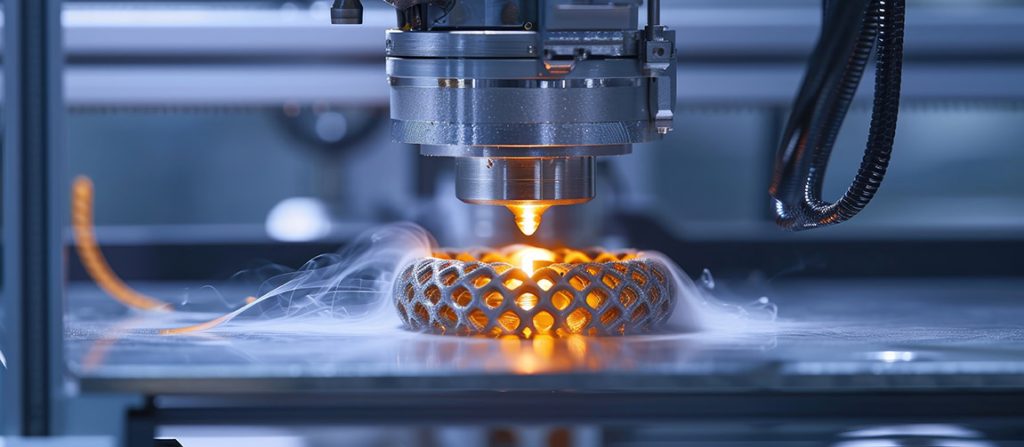
3D printing, also known as additive manufacturing, is increasingly transforming electronic mould making by enabling faster development, greater design flexibility, and cost-effective production of complex components. In the electronics industry—where precision, miniaturization, and rapid innovation are critical—3D printing plays a vital supporting role across the mould lifecycle.
1. Role of 3D Printing in Electronic Mould Development
3D printing is primarily used in the early stages of electronic mould making, such as concept validation, prototyping, and design optimization. It allows mould designers to quickly produce physical models of cavities, cores, and inserts to verify fit, function, and assembly before committing to expensive steel tooling.
2. Rapid Prototyping and Design Validation
Electronic components often involve intricate geometries, thin walls, micro-features, and tight tolerances. 3D printing enables rapid prototyping of mould parts and sample enclosures, helping engineers:
Validate part geometry and ergonomics
Check PCB fitment and component clearances
Identify potential moulding defects early (short shots, weld lines, air traps)
This significantly reduces design iterations and development time.
3. Conformal Cooling Channels
One of the most impactful applications of 3D printing in electronic moulds is the creation of conformal cooling channels. Unlike traditional straight-drilled cooling lines, conformal channels follow the contour of the mould cavity, resulting in:
Uniform cooling of electronic housings
Reduced cycle time
Lower warpage and residual stress
Improved dimensional stability of moulded parts
Metal 3D printing technologies such as DMLS and SLM are commonly used for this purpose.
4. Production of Mould Inserts and Tooling Aids
3D printing is widely used to manufacture mould inserts, jigs, fixtures, and assembly aids for electronic moulds. These printed inserts are particularly useful for:
Low-volume or pilot production
Complex undercuts or intricate details
Temporary tooling during product validation
Hybrid moulds combining 3D-printed inserts with conventional steel mould bases are becoming common.
5. Material Options for Electronic Mould Applications
Different 3D printing materials are selected based on application needs:
Engineering plastics (ABS, Nylon, PETG): Used for prototype moulds and fixtures
High-temperature polymers (PEEK, PEI): Suitable for limited injection moulding trials
Metal powders (tool steel, stainless steel, aluminum): Used for durable mould inserts and cooling components
Material selection is critical to withstand moulding temperatures, pressures, and wear.
6. Cost and Lead Time Benefits
3D printing significantly reduces lead time compared to traditional CNC machining. Complex mould features that take weeks to machine can be printed within days. This leads to:
Faster product launch cycles
Reduced tooling costs for prototypes
Lower risk of costly design changes at later stages
7. Limitations and Challenges
Despite its advantages, 3D printing in electronic mould making has some limitations:
Higher cost for large-scale metal printing
Surface finish may require post-processing
Limited tool life compared to fully hardened steel moulds
Dimensional accuracy may need secondary machining
8. Future Trends in 3D-Printed Electronic Moulds
Advancements in printing accuracy, material strength, and multi-material printing are expanding the use of 3D printing in electronic mould making. Future developments include:
Fully 3D-printed moulds for short-run electronics
Smart mould inserts with embedded sensors
Improved heat-resistant and wear-resistant materials
Greater integration with digital design and simulation tools
9. Conclusion
3D printing is not a replacement for conventional mould making but a powerful complementary technology. In electronic mould making, it enhances design flexibility, speeds up development, and improves mould performance—especially in prototyping, cooling optimization, and low-volume production. As technology matures, its role in electronic mould manufacturing will continue to grow.