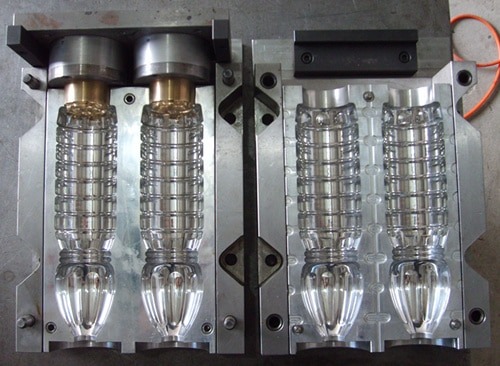
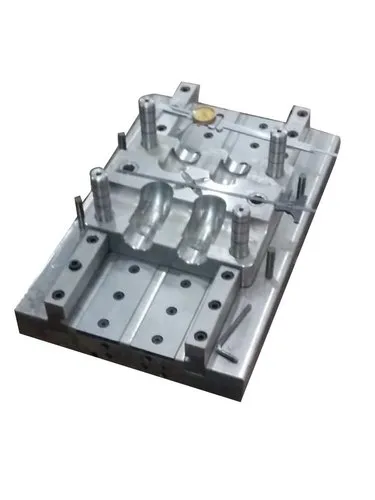
Blow molding is a widely used manufacturing process for producing hollow plastic parts, such as bottles, containers, and tanks. To ensure structural integrity, functionality, and cost-effectiveness, it’s crucial to consider specific design elements tailored to the blow molding process. Below are the key design considerations:
1. Wall Thickness and Uniformity
Consistency: Uniform wall thickness helps maintain part strength and minimizes warping or deformation during cooling.
Avoid Thick Sections: Excessively thick walls can lead to material waste, longer cooling times, and sink marks.
Thinning Issues: Consider the tendency of the material to thin out in areas far from the mold pinch-off zone or in corners.
2. Material Selection
Choose materials with good melt strength and blow moldability (e.g., HDPE, PET, PP, PVC).
Consider end-use requirements such as:
Chemical resistance
UV resistance
Food-grade compliance
Recyclability
3. Part Geometry
Draft Angles: Incorporate draft angles (typically 1° to 3°) to facilitate easy part removal from the mold.
Rounded Corners: Sharp corners should be avoided as they can cause stress concentrations and uneven material distribution.
Symmetry: Symmetrical designs help ensure uniform inflation and wall distribution.
4. Blow Ratio
The blow ratio (final diameter vs. preform diameter) must be optimized to ensure proper wall thickness and material distribution.
Higher blow ratios may lead to excessive thinning in certain areas, compromising part strength.
5. Pinch-Off and Parting Line
Design pinch-off areas with sufficient land and flash pockets to accommodate excess material.
Ensure that the parting line is strategically placed to minimize visual and functional impact.
6. Mold Venting and Cooling
Proper venting is essential to allow air to escape and enable full mold cavity filling.
Design for efficient cooling to reduce cycle times and ensure dimensional stability.
7. Tolerances
Blow molding has less precision compared to injection molding. Maintain realistic tolerances, especially in non-critical areas.
Avoid tight tolerances on wall thickness or features formed by inflation.
8. Inserts and Threads
If inserts (e.g., metal components) are needed, plan for secondary operations or in-mold insertion techniques.
For threaded areas:
Use standard thread profiles.
Design with sufficient taper and depth.
Consider post-molding machining if tight tolerances are required.
9. Decoration and Labeling
Design for compatibility with in-mold labeling, post-mold printing, or adhesive labeling.
Smooth, flat surfaces are ideal for consistent decoration.
10. Structural Features
Ribs and Gussets: Add ribs to increase rigidity without increasing wall thickness.
Handles and Grips: Ensure ergonomic placement and structural support to handle the load.
Reinforcements: Use internal or external reinforcements for parts under pressure or with load-bearing functions.
11. Environmental and Regulatory Compliance
Design with recyclability in mind (material choice, minimal use of additives).
Consider product lifecycle, end-of-use, and compliance with local environmental laws (e.g., FDA, RoHS, REACH).
Conclusion
Designing for blow molding requires a deep understanding of both the material behavior and process limitations. By integrating these considerations early in the design phase, manufacturers can achieve functional, cost-effective, and high-quality blow-molded parts tailored to their application needs.