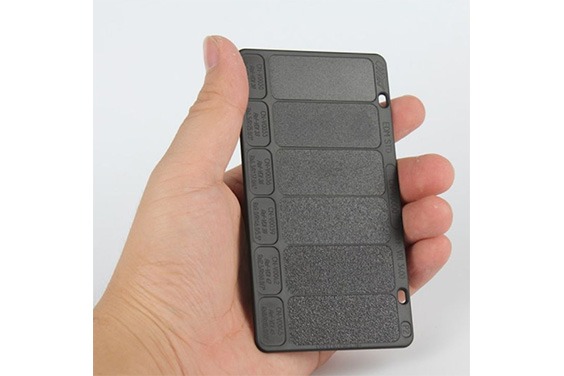
Surface finishing is a critical step in the manufacturing of cosmetic moulds, directly influencing the visual appearance, tactile feel, and functional performance of the final plastic components. In the cosmetics industry, where product aesthetics and brand perception are paramount, achieving a flawless surface finish on moulded parts is essential. This makes the selection and execution of appropriate surface finishing techniques a vital aspect of mould design and production.
1. Importance of Surface Finishing in Cosmetic Moulds
Aesthetic Appeal: High-quality finishes are necessary for clear, glossy, or textured surfaces that reflect the luxury image of cosmetic products.
Functional Performance: Proper surface finish can reduce friction, aid in part release, and improve product durability.
Replication of Texture: Cosmetic packaging often requires precise reproduction of surface textures like leather, satin, or brushed metal.
Defect Reduction: Finishing helps eliminate tool marks, EDM traces, and minor imperfections that may transfer to the final product.
2. Common Surface Finishing Techniques
a) Polishing
Purpose: Achieve mirror-like or high-gloss finishes, especially on transparent parts like perfume caps or cream jars.
Methods:
Manual Polishing: Using abrasive compounds and cloth wheels.
Mechanical Polishing: With power tools for consistent results.
Grades: Based on SPI (Society of the Plastics Industry) standards, from A1 (diamond buffed) to D3 (stone finish).
b) Texturing / Etching
Purpose: Imparts decorative or functional textures onto the mould surface.
Techniques:
Chemical Etching: Transfers patterns using acid-resistant films and etching chemicals.
Laser Texturing: Digitally controlled process for intricate and repeatable designs.
Sandblasting / Grit Blasting: Creates matte or satin textures.
Applications: Lipstick caps, compact cases, and components with grip-enhancing textures.
c) EDM (Electrical Discharge Machining) Finishes
Purpose: Used when conventional machining is not feasible or to add specific rough textures.
Effect: Leaves a fine, controlled roughness which can be further finished or used as-is for matte appearances.
Consideration: EDM finishes may require secondary polishing or texturing for aesthetic use.
d) Stone Finishing
Purpose: Remove coarse machining marks and prepare surface for further polishing.
Tools: Abrasive stones of various grades.
Result: Uniform matte finish, often used as an intermediate step.
e) Coating and Plating
Purpose: Enhance durability, corrosion resistance, or surface hardness.
Types:
Nickel Plating: Improves wear resistance.
Hard Chrome: Enhances surface hardness and polish retention.
PVD Coating: Adds decorative and functional layers, often in high-wear environments.
3. Standards and Classifications
Surface finishes are typically classified using standards like:
SPI Finish Guide: Defines various levels of polish from high gloss (A1) to rough matte (D3).
VDI Texture Standards: Common in Europe, specifying levels of texture roughness for injection moulds.
4. Best Practices for Cosmetic Mould Surface Finishing
Material Compatibility: Ensure selected finish is compatible with mould material (e.g., tool steel vs. aluminum).
Consistency and Repeatability: Use digital or automated finishing methods for high-volume production.
Maintenance Considerations: Choose finishes that facilitate easy cleaning and resist wear over time.
Prototype Testing: Always test finishes on sample moulds before full-scale production.
5. Challenges in Surface Finishing for Cosmetic Moulds
Tight Tolerances: Finishing processes must not alter critical dimensions.
Defect Sensitivity: Cosmetic products show imperfections more readily; finishing must be meticulous.
Time and Cost: High-grade finishes can be time-intensive and costly.
Conclusion
Surface finishing of cosmetic moulds is a blend of art and science. Achieving the perfect aesthetic while maintaining production efficiency requires careful selection of techniques and strict process control. Whether aiming for a mirror-like gloss or a unique textured feel, surface finishing not only defines the look and feel of cosmetic packaging but also reinforces brand identity and customer perception.