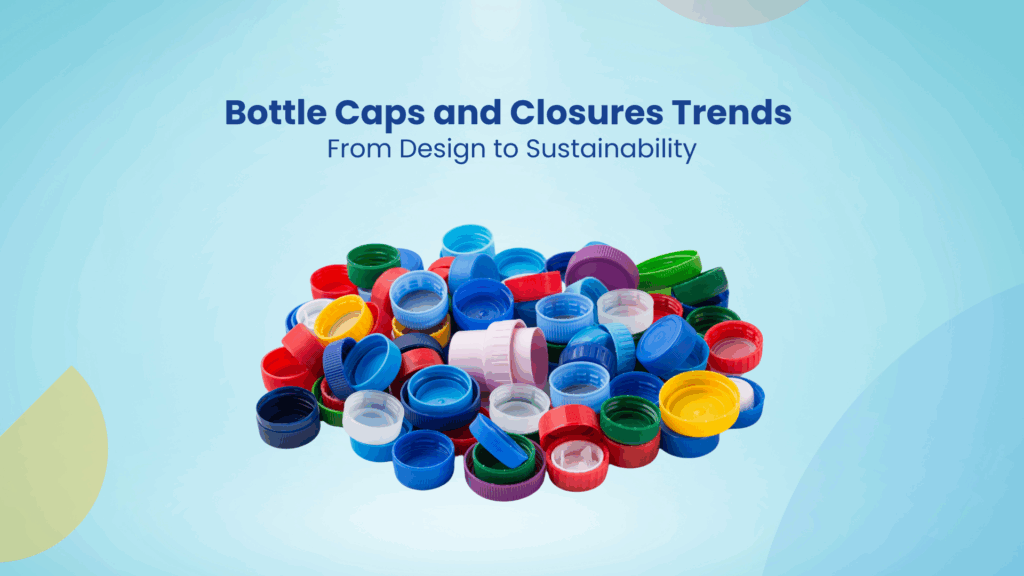
As global sustainability efforts intensify, industries are reevaluating even the smallest components of their products — including plastic caps. Though often overlooked, plastic caps contribute significantly to plastic waste. With the 2030 sustainability goals fast approaching, the spotlight is now on transforming these everyday items to align with circular economy principles and environmental stewardship.
Why Plastic Caps Matter
Volume of Use: Billions of plastic caps are produced annually for bottles, jars, and containers.
Recycling Challenges: Traditional caps are often made from different materials than their containers, complicating the recycling process.
Environmental Impact: Improper disposal leads to plastic caps becoming common ocean and land litter, posing threats to wildlife.
Global Sustainability Goals Driving Change
The 2030 Agenda Includes:
UN Sustainable Development Goal (SDG) 12: Responsible consumption and production.
SDG 13: Climate action.
SDG 14: Life below water – reducing marine pollution from plastics.
Circular Economy Initiatives: Encouraging product designs that prioritize reuse, recycling, and material reduction.
Key Innovations Shaping the Future of Plastic Caps
1. Tethered Caps
Definition: Caps attached to the bottle to prevent littering.
Mandates: Required by the EU by 2024; many brands are adopting globally ahead of schedule.
Benefit: Improves recycling rates and reduces environmental leakage.
2. Mono-material Designs
Challenge Solved: Enables caps and bottles to be recycled together.
Innovation: Same polymer (e.g., HDPE or PET) for both cap and container.
3. Bio-based Plastics
Alternative Materials: Made from renewable sources like sugarcane or corn.
Goal: Reduce reliance on fossil fuels and lower carbon footprint.
4. Recyclable and Recycled Caps
Closed Loop Production: Using post-consumer recycled (PCR) plastics.
Trend: Increasing industry investment in fully recyclable packaging solutions.
Industry Commitment and Regulation
Coca-Cola, PepsiCo, Nestlé: Committed to 100% recyclable or reusable packaging by 2030.
EU Single-Use Plastics Directive: Requires tethered caps and minimum recycled content in bottles.
Extended Producer Responsibility (EPR): Holding companies accountable for end-of-life management of caps and packaging.
Consumer Engagement and Education
Labeling and Instructions: Promoting proper disposal and recycling.
Incentive Programs: Encouraging consumers to return caps through deposit schemes or recycling rewards.
Challenges Ahead
Infrastructure Gaps: Recycling systems vary globally; not all regions support cap recycling.
Material Cost and Performance: Finding sustainable materials that maintain durability and shelf life.
Consumer Behavior: Adoption of new cap designs may require education and mindset shifts.
The Path Forward: A Circular Vision for 2030
The future of plastic caps lies in smarter design, better materials, and global cooperation. By 2030, the goal is a fully circular model where every cap:
Stays with its container,
Is made from recycled or renewable materials,
Enters a closed-loop system post-use.
Collaboration among manufacturers, regulators, and consumers is key to achieving these milestones.
Conclusion
Plastic caps, though small, represent a significant opportunity to advance global sustainability efforts. Through innovation, regulation, and responsible practices, we can ensure that by 2030, plastic caps no longer symbolize waste — but a successful shift toward a circular economy and a cleaner planet.