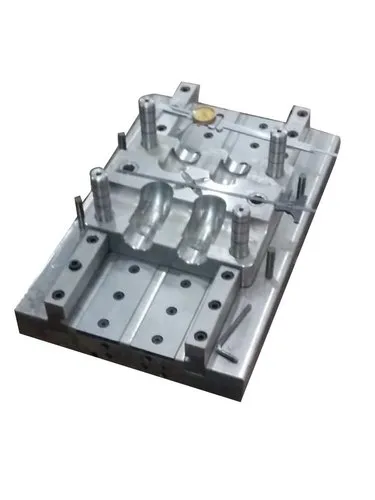
Quality control plays a critical role in electronic mould production, ensuring that moulds used for electronic components meet high standards of precision, durability, safety, and performance. Because electronic devices often contain delicate, miniaturized parts, even minor mould defects can lead to product failures. Therefore, manufacturers follow strict quality assurance processes throughout the design, manufacturing, and testing stages.
1. Importance of Quality Control in Electronic Moulds
Ensures dimensional accuracy: Electronic components such as connectors, switches, sensors, and casings require highly precise moulds to guarantee consistent part fitment.
Reduces defects and rework: Early detection of issues helps save time, cost, and material waste.
Improves product performance: High-quality moulds lead to better electrical insulation, reliability, and structural strength in the final parts.
Meets industry standards: Quality control ensures compliance with standards like ISO 9001, ISO 13485 (medical electronics), and IPC standards for electronics.
2. Key Quality Control Practices in Electronic Mould Production
a. Material Inspection
Verification of steel grades (H13, S136, NAK80, etc.)
Hardness and chemical property testing
Certification from material suppliers
This ensures mould longevity and resistance to wear, corrosion, and thermal shock.
b. Precision Machining and Tolerance Control
CNC machining accuracy checks
EDM and wire-cut precision measurement
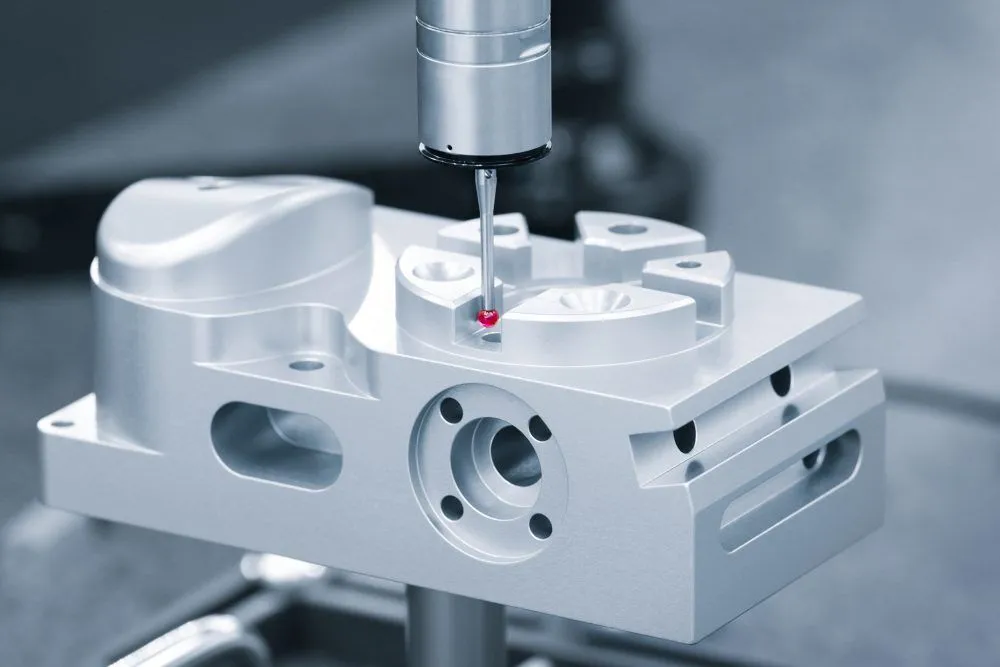
Tight tolerances (often ±0.01 mm) validated using CMM (Coordinate Measuring Machine)
Surface roughness inspection for micro-components
Maintaining precision is crucial as electronic parts often have intricate geometries.
c. Mould Design Validation
Moldflow analysis to predict flow, cooling, shrinkage, and warpage
Simulation of gate placement, ejection, and filling patterns
Review of parting lines and draft angles
Design validation reduces trial runs and ensures optimal mould performance.
d. Dimensional & Functional Testing
CMM verification of cavity/core dimensions
Laser scanning for 3D comparison
Fitment and assembly testing of moulded parts
Ensures mould produces parts that match the product design exactly.
3. Process Control in Mould Manufacturing
a. In-Process Monitoring
Real-time monitoring of temperature, pressure, and machining speed
Tool wear monitoring for CNC and EDM operations
This prevents deviations during machining.
b. Injection Moulding Trial (T1, T2, T3 Trials)
Each trial stage checks:
Part dimensions and aesthetics
Gate marks, sink marks, flash, warpage
Filling consistency
Adjustments are made until the mould performs with 100% reliability.
c. Maintenance Tracking
Scheduled polishing and cleaning
Lubrication of moving parts
Inspection of ejector pins, slides, and cooling channels
Proper maintenance extends mould lifespan and ensures consistent part quality.
4. Advanced Technologies Used in Quality Control
a. Automated Metrology Systems
Robotic CMMs
Optical vision systems
Laser scanners
These improve accuracy and reduce human error.
b. Embedded Sensors in Moulds
Temperature sensors
Pressure transducers
Strain gauges
Smart moulds allow real-time process feedback to maintain quality.
c. Industry 4.0 Integration
Cloud-based production monitoring
Predictive maintenance using AI
Digital twins for mould performance analysis
Improves decision-making and reduces downtime.
5. Documentation and Traceability
Quality control also includes detailed documentation:
Material test certificates
Machining reports
Heat treatment records
CMM inspection reports
Trial sample reports
This ensures full traceability for audits and customer requirements.
6. Final Quality Assurance Before Delivery
Before dispatching the mould, manufacturers perform:
Complete functional testing of the mould tool
Verification of cooling systems, ejector mechanisms, and alignment
Packing and rust-prevention treatment
This ensures the mould is production-ready and meets customer expectations.
Conclusion
Quality control in electronic mould production is a comprehensive process involving design validation, precision manufacturing, metrology, trial testing, and documentation. With advanced technologies such as digital inspections and sensor-equipped moulds, manufacturers can deliver highly accurate, reliable, and durable moulds that meet the demands of modern electronic manufacturing.