The growing global focus on sustainability has pushed manufacturers to explore greener solutions in every stage of production—including mould making. The question often arises: Are eco-friendly plastic moulds truly possible, or are they just a marketing myth?
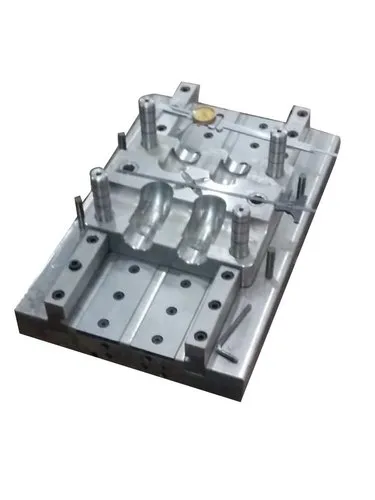
The answer lies somewhere in between. While moulds themselves are typically made from steel or aluminium, the processes, materials, and applications around them can significantly influence environmental impact.
1. Understanding the Concept of Eco-Friendly Plastic Moulds
Plastic moulds are traditionally associated with mass production of polymer parts, many of which contribute to waste. However, eco-friendly plastic moulding refers not to the mould tool itself, but to how it enables a cleaner, more sustainable production system through:
Reduced energy consumption
Lower material wastage
Use of recyclable or biodegradable polymers
Longer mould life and improved efficiency
Sustainable cooling and processing methods
Thus, “eco-friendly plastic moulds” means moulds designed and operated in a greener manner, not necessarily moulds made from eco-materials.
2. Myth: Plastic Moulds Can Be Fully Eco-Friendly by Material Alone
A common misconception is that the mould should be made from “green” materials.
In reality:
Moulds require high-strength metals like P20 steel, H13 steel, or aluminium.
There are no biodegradable or “eco-friendly” alternatives with the durability needed for moulding.
Therefore, the mould itself is not eco-friendly by material, but the manufacturing and usage process can be.
This makes the idea that moulds can be “green” purely based on composition mostly a myth.
3. Reality: Mould Design Innovations That Improve Sustainability
Eco-friendliness becomes realistic through engineering and process innovation. Modern moulds adopt:
a. Optimised Cooling Channels
Conformal cooling made via 3D printing reduces cycle times.
Less energy consumed per part, increasing sustainability.
b. High-Efficiency Hot Runner Systems
Eliminates runner waste
Reduces scrap rate
Improves material utilisation
c. Lightweight Mould Bases
Using aluminium or hybrid steel-aluminium structures lowers machining energy and improves thermal performance.
d. Precision Gates and Vents
These reduce defects, resulting in fewer rejected parts and less material waste.
4. Use of Eco-Friendly Plastics in Moulding
The biggest contribution to sustainability comes from the type of plastic processed through the mould:
Biodegradable Polymers
PLA, PHA
Starch-based plastics
Eco-friendly packaging
Recyclable Polymers
rPET, rPP, rHDPE
ABS and PC blends made from recycled feedstock
Bio-based Plastics
Sugarcane PE
Corn-based composites
Moulds must be adapted to these materials through corrosion-resistant steels, temperature control, and adjusted gate geometry.
5. Green Manufacturing Practices in Mould Production
Sustainability can also come from how moulds are manufactured:
CNC machines with low-power modes
Coolant recycling systems
Minimum Quantity Lubrication (MQL) machining
Scrap metal recycling
Use of renewable energy in the workshop
Longer mould lifespan reduces the need for frequent replacements
These practices make mould manufacturing significantly greener.
6. Does “Eco-Friendly Plastic Moulds” Truly Exist?
✔ Reality:
Eco-friendly moulding is achievable through design improvements, material optimisation, green plastics, and energy-efficient processes.
✘ Myth:
A mould by itself cannot be made “eco-friendly” in isolation using different raw materials.
Thus, the term is not a total myth—but a combination of technical innovation + sustainable operations + responsible plastic usage.
7. Future of Eco-Friendly Moulding
The industry is moving towards:
Smart moulds with monitoring to reduce energy waste
Greater use of recycled plastics
AI-based mould design optimisation
Additive manufacturing for low-waste tooling
Carbon-neutral mould workshops
With these advancements, eco-friendly plastic moulding is increasingly becoming a practical reality rather than just a concept.