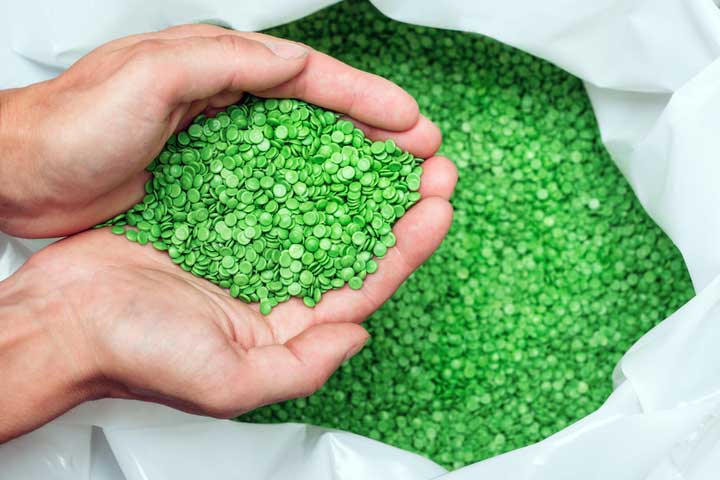
Biodegradable plastics are emerging as a promising solution for creating eco-friendly furniture that aligns with global sustainability goals. As the demand for greener materials increases, manufacturers are exploring biodegradable polymers to reduce environmental impact while maintaining durability, design flexibility, and aesthetic appeal.
What Are Biodegradable Plastics?
Biodegradable plastics are materials that can break down naturally through the action of microorganisms such as bacteria and fungi. Unlike traditional petroleum-based plastics, these materials decompose into water, carbon dioxide, and biomass under specific environmental conditions. Common biodegradable plastics used in furniture include:
PLA (Polylactic Acid)
PHA (Polyhydroxyalkanoates)
Starch-based plastics
Biodegradable composites reinforced with natural fibres
Why Biodegradable Plastics Are Gaining Importance
Environmental concerns and strict regulations on waste management have accelerated the shift toward biodegradable alternatives. For the furniture industry—especially moulded furniture—these materials help reduce long-term waste accumulation and support circular-economy practices.
Role of Biodegradable Plastics in Furniture Manufacturing
1. Sustainable Raw Material Source
Biodegradable plastics are typically derived from renewable resources such as corn, sugarcane, potatoes, or agricultural waste. This reduces reliance on fossil fuels and lowers the carbon footprint of furniture production.
2. Eco-Friendly Moulding Materials
Many biodegradable plastics are compatible with injection moulding and other conventional fabrication processes. This makes it easier for manufacturers to adopt them without major equipment modifications.
3. Reduction in Plastic Waste
Furniture made from biodegradable plastics decomposes faster than conventional plastics when disposed of properly, reducing landfill accumulation and environmental pollution.
4. Lightweight and Durable Designs
Despite being eco-friendly, biodegradable plastics offer:
High tensile strength
Good surface finish
Resistance to warping
This makes them suitable for chairs, tables, storage units, and decorative accessories.
5. Potential for Customisation
These materials can be blended with:
Natural fibres (jute, bamboo, hemp)
Wood dust
Pigments and additives
Such combinations improve mechanical performance and enhance the natural look and feel of the furniture.
Challenges in Using Biodegradable Plastics
While promising, biodegradable plastics also come with limitations:
Higher material cost compared to traditional plastics
Limited heat resistance, affecting use in high-load applications
Specific composting conditions required for proper degradation
Performance variations based on climate and usage patterns
Continuous research and technological improvements are helping manufacturers overcome these challenges.
Future Outlook
The adoption of biodegradable plastics in furniture is expected to grow, driven by:
Government initiatives supporting green materials
Increasing consumer awareness
Advances in biopolymer engineering
Growth of circular-economy manufacturing models
In the coming years, biodegradable furniture could become a mainstream choice, especially in office spaces, hospitality, outdoor décor, and home interiors.