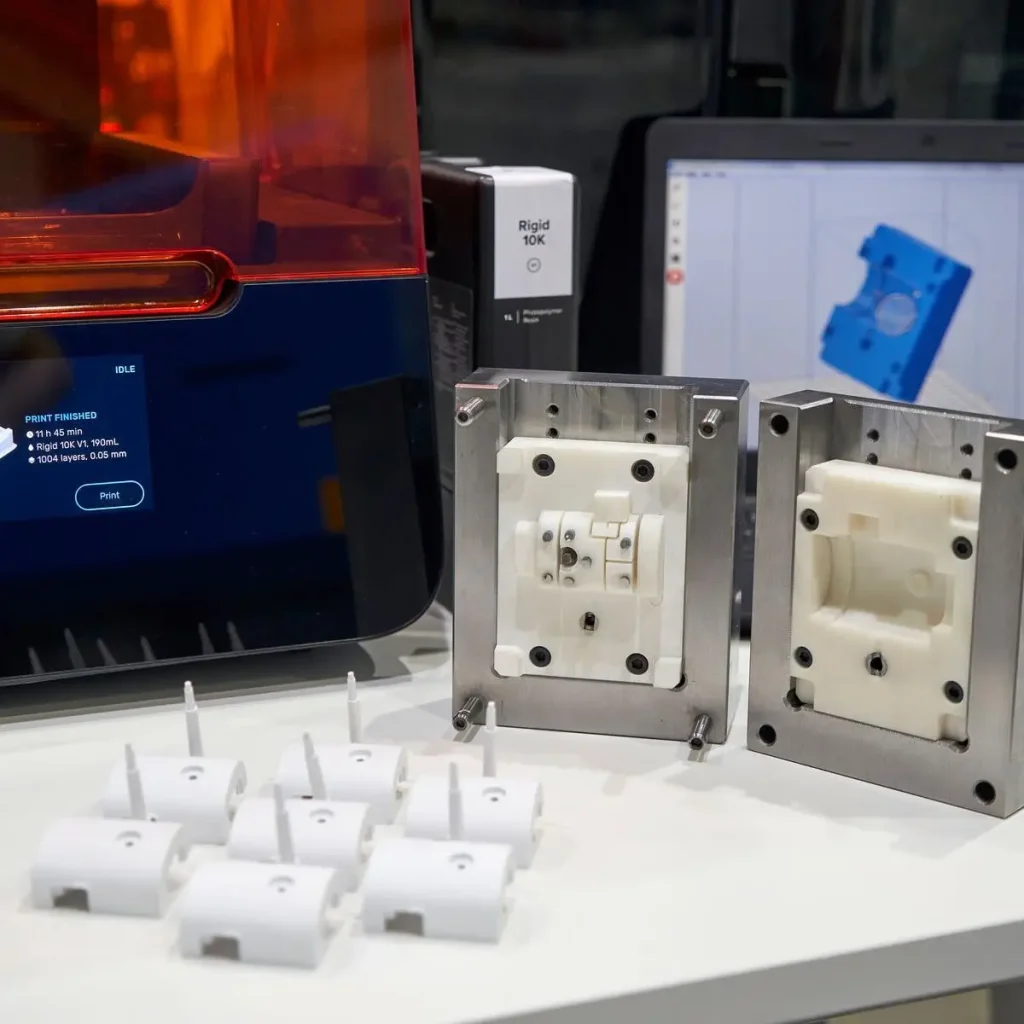
Electrical testing of moulded components is a critical quality assurance process, especially for parts used in automotive, electronics, consumer appliances, medical devices, and industrial equipment. These tests ensure that the component’s insulation, conductivity, strength, and reliability meet required safety standards and functional expectations.
1. Importance of Electrical Testing
Moulded components—whether connectors, housings, terminals, or embedded electronic parts—must withstand electrical loads and environmental stresses. Proper testing ensures:
Compliance with international standards (IEC, UL, ISO, BIS)
Safety of end-users
Prevention of short circuits, overheating, and electrical failures
Long-term durability and stability
Functional reliability in real-world applications
2. Key Types of Electrical Tests
a. Insulation Resistance Test
Measures how well the moulded component resists electrical leakage.
High resistance indicates strong insulation material.
Essential for connectors, sockets, switchgear and EV components.
b. High Voltage (Hi-Pot) Test
Applies a voltage higher than normal operating levels to check breakdown strength.
Ensures the component will not fail under electrical surges or spikes.
c. Dielectric Strength Test
Determines the maximum voltage the material can withstand before insulation failure.
Helps select appropriate plastics (e.g., PA66, PBT, PC, LCP).
d. Continuity Test
Confirms that electrical pathways or terminals inside the moulded part are correctly connected and uninterrupted.
Typically used for sensor housings, connector pins, and embedded circuits.
e. Contact Resistance Measurement
Evaluates the resistance between mating electrical contacts.
Low contact resistance ensures proper current flow and minimal energy loss.
f. Surface Resistance and Volume Resistivity
Measures how resistant the plastic material is to static charge buildup or leakage.
Important for ESD-safe and anti-static components in electronics.
g. Thermal Endurance Testing
Checks electrical performance under elevated temperatures.
Ensures the moulded part retains insulation and conductivity characteristics without degradation.
h. Current Carrying Capacity Test
Determines how much current a moulded connector or terminal can handle without overheating.
i. Embedded Circuit/PCB Testing (if applicable)
Includes functional tests, signal integrity checks, and component placement validation.
Used in smart moulded parts with in-mould electronics (IME).
3. Test Equipment Commonly Used
Insulation testers (Meggers)
High Voltage/Hi-Pot testers
Multimeters & LCR meters
Micro-ohm meters for contact resistance
Thermal chambers / environmental chambers
ESD/antistatic testers
Continuity testers and automated test benches
Oscilloscopes for signal testing (in electronic moulds)
Automated testing systems are increasingly used for high-volume production to reduce inspection time and ensure repeatability.
4. Standards and Compliance
Electrical testing of moulded components is guided by industry standards such as:
IEC 60601 – medical equipment
IEC 60529 – IP ratings
IEC 60664 – insulation coordination
UL 94 – flammability classification
ISO 16750 – automotive electrical components
BIS/ISI standards for domestic electrical fittings
Meeting these standards is essential for market approval and customer acceptance.
5. Common Defects Identified During Testing
Electrical testing helps detect:
Insulation cracks or voids
Poor terminal alignment
Incomplete filling of mould around conductive inserts
Short circuits caused by material flash
Carbonization or tracking on the surface
Poor adhesion between metal inserts and plastic
Material degradation due to poor processing
Early detection of these issues prevents costly field failures.
6. Best Practices in Electrical Testing
Use calibrated and certified equipment.
Follow standardized operating procedures (SOPs).
Conduct tests in controlled temperature and humidity environments.
Perform periodic sampling during production.
Maintain proper documentation and traceability.
Integrate automated or semi-automated testing for consistency.
7. Conclusion
Electrical testing of moulded components ensures that each part performs safely, reliably, and efficiently under real operating conditions. With rising demands for smart electronics, EV components, and high-precision connectors, rigorous electrical testing has become essential. It not only improves product quality but also strengthens customer trust and compliance with global standards.