Cost optimization in mould design and production is essential for manufacturers aiming to remain competitive, improve profit margins, and maintain high product quality. By adopting strategic design practices, efficient material selection, and advanced production techniques, mould makers can significantly reduce overall costs without compromising performance or durability.
1. Importance of Cost Optimization
Reduces overall manufacturing expenses
Improves production efficiency and cycle times
Ensures better return on investment (ROI)
Helps achieve competitive pricing in global markets
Minimizes wastage and rework
2. Key Factors Influencing Mould Costs
a. Material Selection
High-grade tool steels (P20, H13, S7) increase lifespan but cost more.
Aluminium moulds offer lower cost and faster machining for low-volume production.
Choosing materials based on expected production volume optimizes cost-performance balance.
b. Mould Complexity
More intricate designs require advanced machining, more inserts, and higher precision.
Part design features like undercuts, deep cores, or complex geometries increase mould cost.
c. Tolerance and Surface Finish
Tight tolerances require high-precision machining and detailed polishing.
Optimizing tolerances based on functional needs avoids unnecessary costs.
3. Strategies for Cost Optimization in Mould Design
a. Simplifying Part Geometry
Minimize undercuts, sharp corners, and complicated features.
Opt for uniform wall thickness to avoid warpage and reduce machining complexity.
b. Standardizing Components
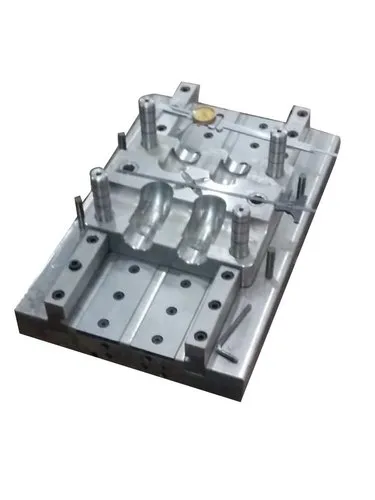
Use standardized mould bases, ejectors, and cooling components.
Reduces manufacturing time and simplifies maintenance and replacement.
c. Optimizing Cooling Channel Design
Efficient cooling channels reduce cycle time by 20–40%.
Conformal cooling (via 3D printing) improves thermal performance and lowers energy cost.
d. Modular Mould Design
Allows for interchangeable inserts for product variants.
Reduces the need for entirely new moulds, cutting tooling costs significantly.
e. Simulation and Analysis Tools
Moldflow analysis helps detect defects early—warpage, sink marks, air traps.
Reduces trial-and-error iterations, saving mould rework costs.
4. Cost Optimization During Mould Manufacturing
a. Efficient Machining Practices
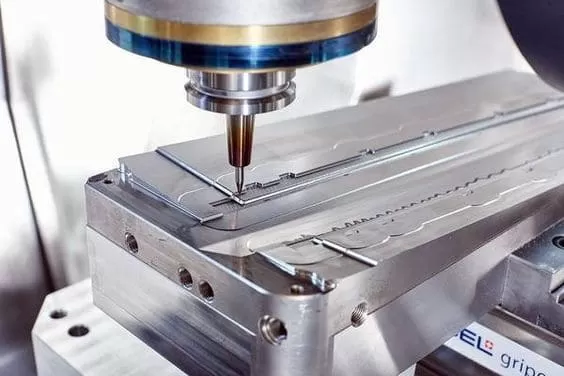
Adopting high-speed CNC machining and EDM reduces machining hours.
Proper toolpath planning minimizes tool wear and improves precision.
b. Additive Manufacturing for Inserts
3D-printed metal inserts with complex cooling paths reduce machining time and enhance durability.
Improves mould performance, reducing long-term operational costs.
c. Lean Manufacturing Techniques
Eliminates non-value-added activities like excessive polishing, trial runs, and manual corrections.
Improves workflow efficiency and reduces production lead time.
5. Cost Optimization in Mould Operation and Maintenance
a. Preventive Maintenance
Regular inspection, cleaning, and lubrication extend mould life.
Prevents unexpected failures that can halt production and incur repair costs.
b. Monitoring Wear Components
Replace runner bushes, gates, ejector pins, and sliders on schedule.
Avoids defects and mould damage, reducing production downtime.
c. Optimizing Cycle Time
Cycle time directly influences production cost.
Fine-tuning injection parameters, cooling time, and ejection mechanisms ensures faster output.
6. Digital Technologies for Cost Optimization
a. Industry 4.0 Integration
Predictive maintenance using sensors and IoT.
Automated data collection improves process control and reduces operator errors.
b. Digital Twins
Virtual replicas of moulds simulate real-time performance.
Helps identify cost-saving improvements during design and operation.
c. AI-Based Quality Inspection
Automated defect detection reduces scrap rate and rework time.
7. Supplier and Production Strategy Optimization
a. Selecting the Right Supplier
Suppliers with advanced machining capabilities often offer lower long-term costs.
Collaboration improves design-for-manufacturability (DFM).
b. Outsourcing vs. In-house Production
Outsourcing complex inserts or high-precision machining may be more cost-effective.
In-house production can reduce lead time for simpler components.
8. Conclusion
Cost optimization in mould design and production is achieved through a balanced combination of intelligent design strategies, efficient manufacturing practices, and modern digital tools. By focusing on simplifying part design, enhancing cooling efficiency, adopting modular concepts, and implementing preventive maintenance, companies can significantly reduce tooling costs, improve product quality, and increase manufacturing competitiveness.