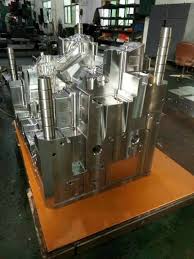
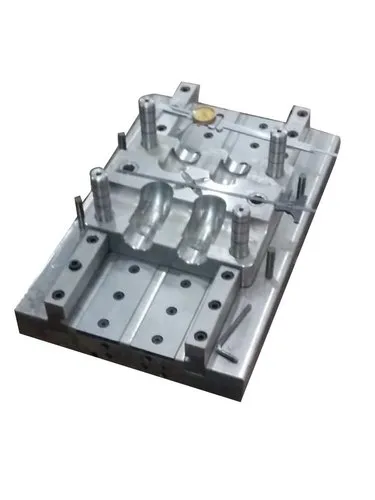
Safety Guidelines in Mould Manufacturing Facilities
Mould manufacturing facilities involve heavy machinery, precision tools, high temperatures, electrical systems, and hazardous materials. Implementing comprehensive safety guidelines is essential to protect workers, maintain productivity, comply with regulations, and prevent costly accidents. A strong safety culture reduces downtime, improves quality, and ensures long-term operational sustainability.
1. Workplace Safety Management System
Establish a documented Health, Safety, and Environment (HSE) policy
Conduct regular risk assessments and hazard identification (HAZID)
Appoint trained safety officers and supervisors
Maintain safety manuals, SOPs, and emergency procedures
Encourage near-miss reporting and continuous improvement
2. Personal Protective Equipment (PPE)
Mandatory PPE must be provided and enforced based on work activity:
Safety helmets and industrial gloves
Safety shoes with steel toe protection
Eye protection (goggles, face shields)
Hearing protection near CNC machines and grinders
Heat-resistant gloves for hot mould handling
Respiratory masks when working with fumes, dust, or chemicals
3. Machine and Equipment Safety
Install machine guards and interlocks on CNC, EDM, milling, and grinding machines
Ensure emergency stop buttons are functional and accessible
Perform regular machine inspections and maintenance
Lockout-Tagout (LOTO) procedures during maintenance and repairs
Allow only trained and authorized operators to use machines
4. Material Handling and Lifting Safety
Use cranes, hoists, forklifts, and trolleys for heavy mould blocks
Follow safe lifting limits and avoid manual handling of heavy loads
Inspect lifting slings, chains, and hooks regularly
Train operators in proper rigging and load balancing
Maintain clear pathways for material movement
5. Electrical Safety
Proper earthing and grounding of all machines
Use insulated tools for electrical work
Regular inspection of cables, panels, and connections
Restrict electrical maintenance to certified electricians
Clearly label high-voltage areas and control panels
6. Fire and Explosion Prevention
Store flammable materials (oils, solvents, coolants) safely
Install fire extinguishers (CO₂, dry powder) at critical locations
Maintain clear emergency exits and evacuation routes
Conduct regular fire drills and safety training
Prohibit smoking in production and storage areas
7. Chemical and Coolant Handling Safety
Proper labeling and storage of chemicals
Use MSDS (Material Safety Data Sheets) for all substances
Avoid direct skin contact with cutting fluids and solvents
Ensure adequate ventilation in EDM and polishing areas
Dispose of chemical waste as per environmental regulations
8. Housekeeping and Workplace Organization
Keep floors clean and free from oil spills and metal chips
Organize tools using shadow boards or racks
Clearly mark walkways and danger zones
Promptly clean spills to prevent slips and falls
Maintain adequate lighting throughout the facility
9. Ergonomics and Operator Health
Design workstations to reduce bending and repetitive strain
Provide adjustable tables and proper seating
Encourage breaks during long machining or polishing tasks
Rotate tasks to reduce fatigue and musculoskeletal disorders
Promote proper posture and lifting techniques
10. Training and Awareness Programs
Induction safety training for new employees
Periodic refresher courses for machine operators
Emergency response and first-aid training
Toolbox talks before critical operations
Safety signage and visual instructions on shop floor
11. Emergency Preparedness
Maintain first-aid kits at accessible locations
Train personnel in first aid and CPR
Install emergency alarms and evacuation signage
Maintain contact numbers for medical and fire services
Prepare and rehearse emergency response plans
12. Compliance and Audits
Comply with local and international safety regulations (OSHA, ISO 45001)
Conduct internal and external safety audits
Record accidents and corrective actions
Continuously update safety practices based on audit findings
Promote management commitment to safety leadership
Conclusion
Safety in mould manufacturing facilities is a shared responsibility involving management, supervisors, and workers. By following structured safety guidelines, providing proper training, and fostering a proactive safety culture, facilities can minimize risks, enhance productivity, and ensure a safe and healthy working environment for all employees.